

A home’s plumbing system works quietly behind the scenes every day, carrying wastewater safely away from sinks, showers, and toilets. While most homeowners focus on visible plumbing fixtures inside the house, the sewer line that runs underground is just as important.
When this pipe becomes damaged, it can disrupt the entire plumbing system.
Since sewer lines are buried underground, problems often develop slowly and remain hidden until noticeable symptoms begin to appear. Fortunately, modern plumbing technology has made it easier than ever to repair sewer pipes without extensive digging.
Trenchless methods such as cured-in-place pipe lining have become a reliable solution for sewer repair in Durham homeowners may encounter.
Understanding how sewer problems develop and how modern repairs work can help homeowners make informed decisions when plumbing issues arise.
Common Causes of Sewer Line Damage
Sewer pipes are designed to last for many years, but they are not immune to wear and damage. Over time, several factors can weaken pipes and cause them to fail. One of the most common causes of sewer damage is tree root intrusion.
Tree roots naturally seek out moisture, and even a tiny crack in a sewer pipe can attract them. Once roots enter the pipe, they can grow quickly, blocking the flow of wastewater and causing serious damage to the pipe structure.
Aging infrastructure is another common issue. Many homes built decades ago still rely on sewer lines made from clay, cast iron, or other older materials.
While these pipes were durable when installed, they can deteriorate over time due to corrosion, soil pressure, and shifting ground.
Ground movement can also play a role in sewer line problems. Heavy rainfall, soil erosion, and nearby construction can cause pipes to shift underground. When pipes move out of alignment, wastewater may no longer flow smoothly, which increases the likelihood of blockages and leaks.
Grease buildup inside pipes is another issue that homeowners often overlook. When grease is poured down kitchen drains, it can cool and harden inside the pipe. Over time, this buildup restricts water flow and contributes to clogs in the sewer line.
Since these problems typically develop gradually, many homeowners are unaware of the issue until drains begin backing up or other warning signs appear.
Warning Signs of Sewer Line Problems
Although sewer lines are hidden underground, they often give off warning signs when something goes wrong. Paying attention to these symptoms can help homeowners address problems early before they become more serious.
Some of the most common warning signs include slow draining sinks, bathtubs, or showers. If several drains in the home are slow at the same time, the problem may be in the main sewer line rather than in individual fixtures.
Frequent drain clogs can also indicate deeper sewer issues. While occasional clogs are normal, recurring blockages throughout the home may signal a larger problem in the sewer system. Unpleasant sewer odors coming from drains or around the yard can also be a sign of a damaged pipe. Cracks in the sewer line may allow gases to escape, creating noticeable smells.
Another warning sign is the presence of unusually green or soggy patches of grass in the yard. This can occur when wastewater leaks from a damaged sewer pipe and fertilizes the surrounding soil.
When these symptoms appear, scheduling a professional sewer inspection can help determine the source of the problem.
How Sewer Camera Inspections Work
Before recommending any repair, plumbing professionals typically perform a sewer camera inspection. This process involves inserting a small waterproof camera into the sewer pipe through an existing access point.
As the camera travels through the pipe, it sends live video footage to a monitor above ground. This allows the technician to examine the inside of the pipe and identify cracks, blockages, root intrusion, or structural damage.
Camera inspections provide an accurate way to diagnose sewer problems without digging up the yard. They also help determine whether trenchless repair methods can be used.
What Is Trenchless Sewer Repair?
Traditional sewer repair methods often required digging long trenches across the yard to reach the damaged pipe. This process could disrupt landscaping, damage driveways or sidewalks, and require costly restoration work afterward.
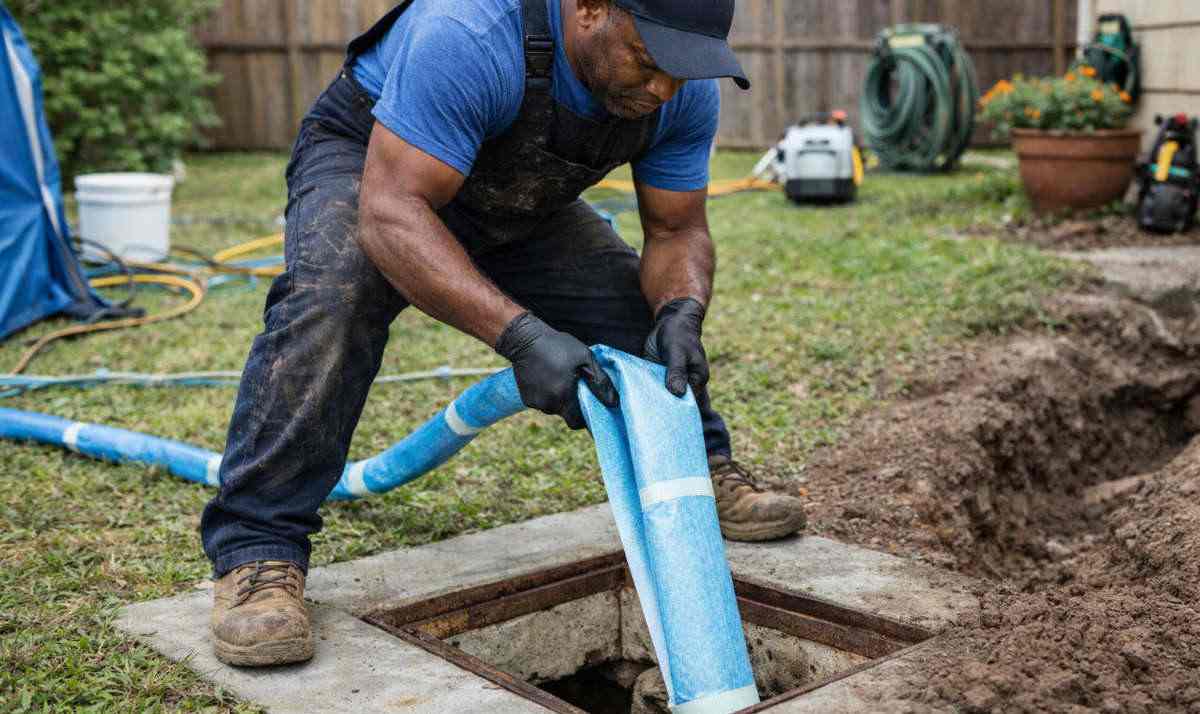
Trenchless repair technology offers a far less invasive alternative. One of the most widely used trenchless methods is cured-in-place pipe lining, commonly known as CIPP. With this method, a flexible liner coated with epoxy resin is inserted into the damaged pipe.
The liner is then inflated so that it presses against the interior walls of the pipe. As the resin cures, it hardens and forms a new pipe within the existing one.
This new inner pipe restores the structural integrity of the sewer line while sealing cracks and preventing leaks. For many properties requiring sewer repair Durham, trenchless methods allow repairs to be completed with minimal excavation and disruption.
Advantages of CIPP Pipe Lining
CIPP lining has become increasingly popular due to the many benefits it offers homeowners. One of the biggest advantages is the reduction in property damage. Since the repair takes place inside the pipe, there is usually little or no digging required.
The process is also faster than traditional excavation. Many trenchless sewer repairs can be completed within a single day, depending on the length and condition of the pipe.
Another advantage is durability. The cured liner forms a smooth, jointless pipe that resists corrosion, root intrusion, and leaks. In many cases, the new pipe lining can last several decades.
The smoother interior surface of the liner can also improve water flow through the pipe, helping prevent future blockages.
Maintaining a Healthy Sewer System
While modern repair methods can restore damaged pipes, preventative maintenance is still important for protecting a home’s plumbing system. Avoiding grease disposal in kitchen drains and being careful about what is flushed down toilets can reduce the risk of blockages.
Scheduling periodic sewer camera inspections can also help detect problems before they become major repairs.
By combining regular maintenance with modern trenchless repair solutions, homeowners can extend the lifespan of their sewer systems and avoid unexpected plumbing emergencies.
Understanding how sewer lines function and how modern repair technologies work allows homeowners to take a proactive approach to plumbing maintenance. With the right care and timely repairs, a home’s sewer system can continue operating efficiently for many years.