

The Carolinas are known for their beauty coastal breezes, lush forests, and a climate that draws people from across the country. But that same climate is quietly one of the most demanding environments a roof can face.
Between summer heat and humidity, Atlantic hurricane season, and the occasional ice storm in the Piedmont and mountain regions, roofs in North and South Carolina take a beating year-round.
Many homeowners don’t give their roof a second thought until there’s a visible leak or obvious damage.
By then, a manageable repair has often grown into a costly replacement. Understanding the most common roofing problems in this region and knowing when to act can save thousands of dollars and protect your home’s structural integrity.
Why the Carolina Climate Is Particularly Hard on Roofs
The Southeast’s climate sits at an uncomfortable intersection of heat, moisture, and storm activity.
Summer temperatures regularly push into the upper 90s, and the humidity rarely lets up.
This constant thermal expansion and contraction weakens roofing materials over time, causing shingles to curl, crack, or lose granules prematurely.
In coastal areas of South Carolina and around Wilmington, NC, the added threat of salt air accelerates corrosion on metal flashing and fasteners.
Further inland, seasonal temperature swings between summer and winter put additional stress on roofing materials.
According to the Insurance Information Institute, wind and hail damage accounts for the majority of homeowner insurance claims in the Southeast, a trend that reflects the real-world punishment Carolina roofs endure annually.
Shingle Deterioration: The Most Common Culprit
Asphalt shingles dominate Carolina rooftops because they balance affordability and durability reasonably well.
However, prolonged UV exposure in the South’s intense sun degrades the asphalt binder that holds granules in place.
When granules wash away, the shingle loses its ability to reflect heat and repel water.
Signs to look for include granule buildup in gutters or downspouts, shingles that appear lighter in color than when installed, and visible curling or cupping at the edges.
Once granule loss becomes significant, the underlying mat is exposed to moisture, and from there, leaks are only a matter of time.
Homeowners who notice these signs early can often address the issue with targeted roof repair in the Carolinas rather than a full replacement.
The difference in cost is substantial, often the difference between a few hundred dollars and a five-figure invoice.
Flashing Failures Around Penetrations and Valleys
Flashing is the thin metal material, typically aluminum or galvanized steel, installed around chimneys, skylights, vents, and in the valleys where two roof planes meet. It’s one of the most critical components of any roofing system, and also one of the most frequently neglected.
In the Carolinas, the combination of heat expansion, salt air corrosion, and high rainfall gives flashing a tough job. When it fails, water doesn’t just drip into an attic, it can channel behind walls, into insulation, and along framing lumber for months before a homeowner notices anything wrong.
Common signs of flashing failure include water stains on ceilings near chimneys or skylights, rust streaks running down exterior walls, and visible gaps or lifted edges where the flashing meets the roofing material. Experienced contractors performing roof repair in the Carolinas often report that flashing issues are among the top causes of interior water damage, particularly in homes older than 15 years.
Moss, Algae, and Mold Growth
The warm, humid summers across both Carolinas create near-ideal conditions for biological growth on rooftops. Black streaking that many homeowners assume is dirt or weathering is almost always Gloeocapsa magma, a form of algae that feeds on limestone filler in asphalt shingles.
Moss is a more serious problem. Unlike algae, which discolors but doesn’t immediately damage shingles, moss physically lifts shingle edges and holds moisture against the surface, accelerating decay. On north-facing slopes and under tree canopy, moss can establish itself and spread quickly.
Left untreated, both moss and algae can void shingle manufacturer warranties, reduce reflectivity, and shorten overall roof lifespan by several years. Zinc or copper strips near the roof ridge can help prevent regrowth after professional cleaning. Algae-resistant shingles are also now widely available and worth considering at the time of replacement.
Storm Damage That’s Easy to Miss
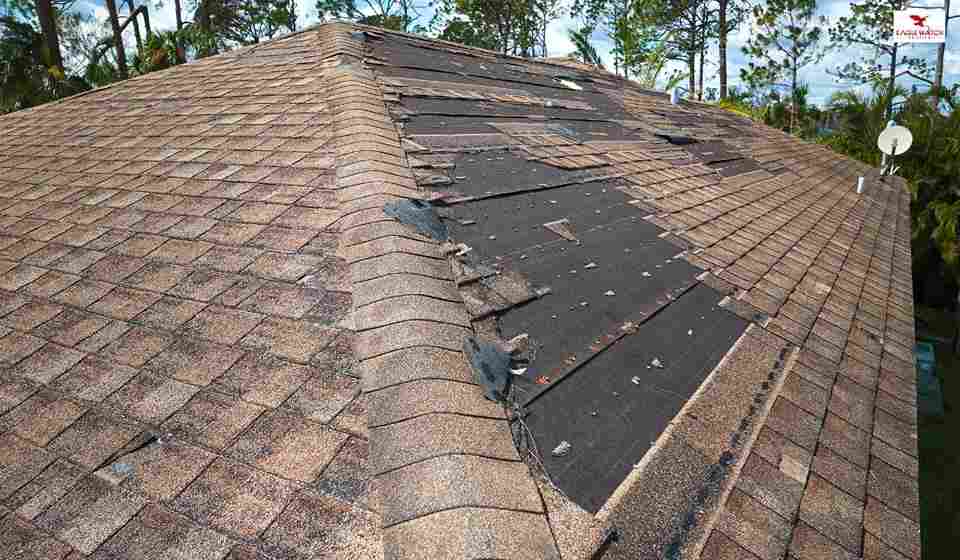
Hurricanes and tropical storms make the news, but the more insidious threat to Carolina roofs is repeated exposure to moderate storms, the kind that blow through without much drama. Strong wind events don’t have to reach hurricane strength to lift shingle tabs, loosen ridge caps, or blow debris into gutters and valleys.
Hailstorms, which are common in the Piedmont corridor, leave impact marks that compromise the structural integrity of shingles even when they don’t create visible holes. This type of damage, sometimes called “hidden hail damage”, reduces a shingle’s ability to shed water and can accelerate granule loss by years.
After any significant storm, a visual inspection from ground level (using binoculars if needed) is a practical first step. However, granule impact damage and lifted shingles are often only visible from on the roof itself. Scheduling a professional assessment for roof repair in the Carolinas after major weather events is a sound practice, even when the damage isn’t immediately obvious.
Poor Attic Ventilation and Its Downstream Effects
Ventilation problems are rarely thought of as a roofing issue, but inadequate airflow in an attic accelerates roof deterioration faster than almost any other factor. In a hot Carolina summer, an unventilated attic can reach temperatures exceeding 150°F, heat that radiates upward through the roof deck and literally bakes shingles from below.
This thermal stress causes shingles to age at an accelerated rate, can cause deck boards to warp or cup, and promotes the kind of moisture cycling that invites mold. In winter, poor ventilation allows warm, humid air from the living space to condense on cold roof decking, a primary cause of rot and ice dam formation during the region’s infrequent but damaging winter storms.
Proper ventilation requires both intake, typically at the soffit, and exhaust, typically at the ridge or upper roof, to help move hot attic air outside. A qualified contractor can assess whether an existing system meets the guidelines set by the National Roofing Contractors Association, which recommends a minimum of one square foot of net free ventilation area for every 150 square feet of attic floor space.
Clogged or Damaged Gutters
Gutters are technically a separate system from the roof, but they’re deeply connected to roof health. When gutters clog with leaves, pine needles, and debris, common in the tree-heavy neighborhoods throughout the Carolinas, water backs up and pools along the roof’s edge, eventually working its way under shingles and into the fascia board.
In homes with older gutters that have separated from the fascia or developed low spots, standing water can cause wood rot at the roofline within a single season. Downspouts that discharge water too close to the foundation create additional problems. Twice-yearly gutter cleaning, especially in fall after leaf drop and in spring, is a basic maintenance step that significantly extends both gutter and roof lifespan.
When Repair Becomes Replacement
Not every roofing problem warrants a full tear-off and replacement. The age of the roof, the extent of damage, and the condition of the underlying deck all factor into the decision. Asphalt shingle roofs in the Carolinas typically carry a functional lifespan of 20 to 25 years under normal conditions, though UV exposure and storm activity can shorten that range.
A roof approaching the end of its lifespan with multiple areas of damage is usually more cost-effective to replace than to repair repeatedly. Conversely, a roof that’s only 8 to 12 years old with localized damage is almost always a strong candidate for targeted roof repair in the Carolinas, preserving the majority of the investment while addressing specific vulnerabilities.
The most important step any homeowner can take is to have a qualified professional assess the roof before making that determination. A thorough inspection provides a clear picture of what the roof actually needs, not what a quick glance from the driveway might suggest.
Final Thoughts
Carolina homeowners live in a region that demands more from their roofs than most parts of the country. Humidity, heat, biological growth, storm seasons, and temperature extremes all work against roofing materials over time. The good news is that most serious damage develops gradually and is preventable with routine attention and timely repairs.
Catching problems early, whether it’s granule loss, flashing gaps, moss growth, or storm impact, consistently leads to better outcomes and lower costs. An annual roof inspection, especially following storm season, is one of the most practical investments a homeowner can make in the long-term health of their home.