

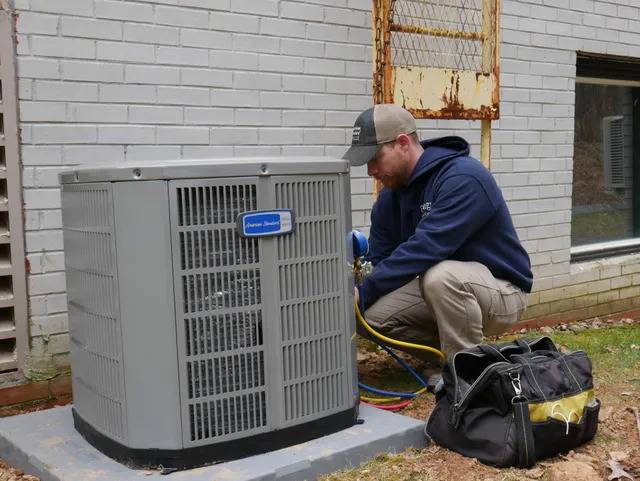
Spring is the season when small cooling problems start showing themselves before summer makes them loud.
A system may still turn on, and it may still push air, but that does not always mean it is working well.
The better move is to notice the early signs now, while repairs are usually simpler and the weather is still giving you a little breathing room.
The Air Feels Uneven from Room to Room
A cooling system that is doing its job should not make the house feel like a weather map.
If the living room feels cool but the bedroom stays warm, or if the upstairs feels heavy while the downstairs feels normal, something may be off.
Sometimes the issue is simple, like a dirty filter, closed vent, weak airflow, or blocked return.
Other times, the system may be struggling because the ductwork is leaking or the unit is losing efficiency.
Uneven cooling is easy to ignore in spring because the weather is still mild, but it often becomes a bigger complaint once the hot days settle in.
When Replacement Starts Making More Sense Than Another Repair
There is a point where fixing the same system again and again starts to feel less like maintenance and more like feeding a tired machine.
If the unit is older, runs longer than it used to, makes the house only sort of comfortable, and has already needed repair work more than once, replacement may need to be part of the conversation.
At this point, you should start exploring air conditioning installation services so that your cooling problems are sorted before the temperatures rise.
Spring is a practical time to look at this because there is less pressure than in July, when everyone wants help at the same time.
Installing a new cooling system can help a homeowner make their home more comfortable and save on energy costs in the long run.
Your Energy Bill Has Crept Up
A higher bill does not always mean the cooling system is the only problem.
Utility rates change, people work from home more, and families use more devices than they used to.
Still, if your habits have stayed about the same but the bill keeps climbing, the AC deserves a look.
A system that needs attention often runs longer to do the same job.
Dirty coils, low refrigerant, poor airflow, or worn parts can make it work harder than it should. You may not notice the extra run time at first, but the bill usually does. That is the annoying part.
The System Turns on and Off Too Often
Short cycling is when the cooling system starts, runs briefly, shuts off, then starts again soon after.
It can be hard on the equipment, and it usually means the system is not cooling the home in a steady way.
This can happen because of thermostat issues, airflow trouble, electrical problems, or a unit that is not the right size for the home.
It may seem minor in spring because the system is not under full summer demand yet, but frequent cycling is not something to shrug off.
It usually gets worse when outdoor temperatures rise.
Strange Sounds Are Showing Up
Most cooling systems make some sound. A steady hum or soft airflow is normal.
New rattles, buzzing, grinding, squealing, or banging sounds are different.
A loose panel may cause a simple rattle, but other sounds can point to motor problems, worn belts, loose parts, or electrical issues.
The tricky thing is that many systems keep running even when something is wearing down inside. That makes it tempting to wait. But waiting can turn a small repair into a larger one, and nobody feels clever when the AC quits during the first real heat wave.
The Air Smells Musty or Burnt
A musty smell when the system starts may come from moisture, dirty coils, clogged drain lines, or dust sitting in the unit.
A light dusty smell can happen after months of little use, but it should not last long. A burning smell is more serious.
It may come from wiring, a motor, or another part overheating. If that smell appears, the system should be turned off and checked.
It is not the kind of thing to test twice just to be sure.
Indoor air can feel stale in spring because homes are often closed up during winter, then opened and closed again as weather changes. But if the smell clearly comes from the vents, the cooling system is part of the picture.
Weak Airflow from the Vents
Weak airflow is one of those signs people often notice without naming it.
A clogged filter is the first thing to check. It is simple, cheap, and often forgotten.
If the filter is clean, the problem may involve the blower motor, duct leaks, dirty coils, or blocked returns. Weak airflow can also make the system run longer, which adds wear and raises energy use.
Moisture or Leaks Around the Unit
A little condensation can be normal, but standing water, dripping, or moisture around the indoor unit should not be ignored.
The drain line may be clogged, the drain pan may be damaged, or ice may be forming and melting where it should not.
Leaks can damage flooring, walls, and nearby materials if they go unnoticed. They can also create damp spots that smell bad later.
The Thermostat Never Seems Right
Sometimes the thermostat is blamed for everything, and sometimes it really is part of the problem.
If the screen is faulty, the reading seems off, or the system does not respond the way it should, the thermostat may need attention. But the thermostat can also expose a deeper issue.
If you set it lower and the house still does not cool, the problem may be airflow, equipment performance, or poor system balance.
The best time to deal with cooling trouble is before the house feels uncomfortable every day. Spring gives homeowners a useful window.
The system can be checked, cleaned, tuned, repaired, or evaluated before the heavy season arrives.