

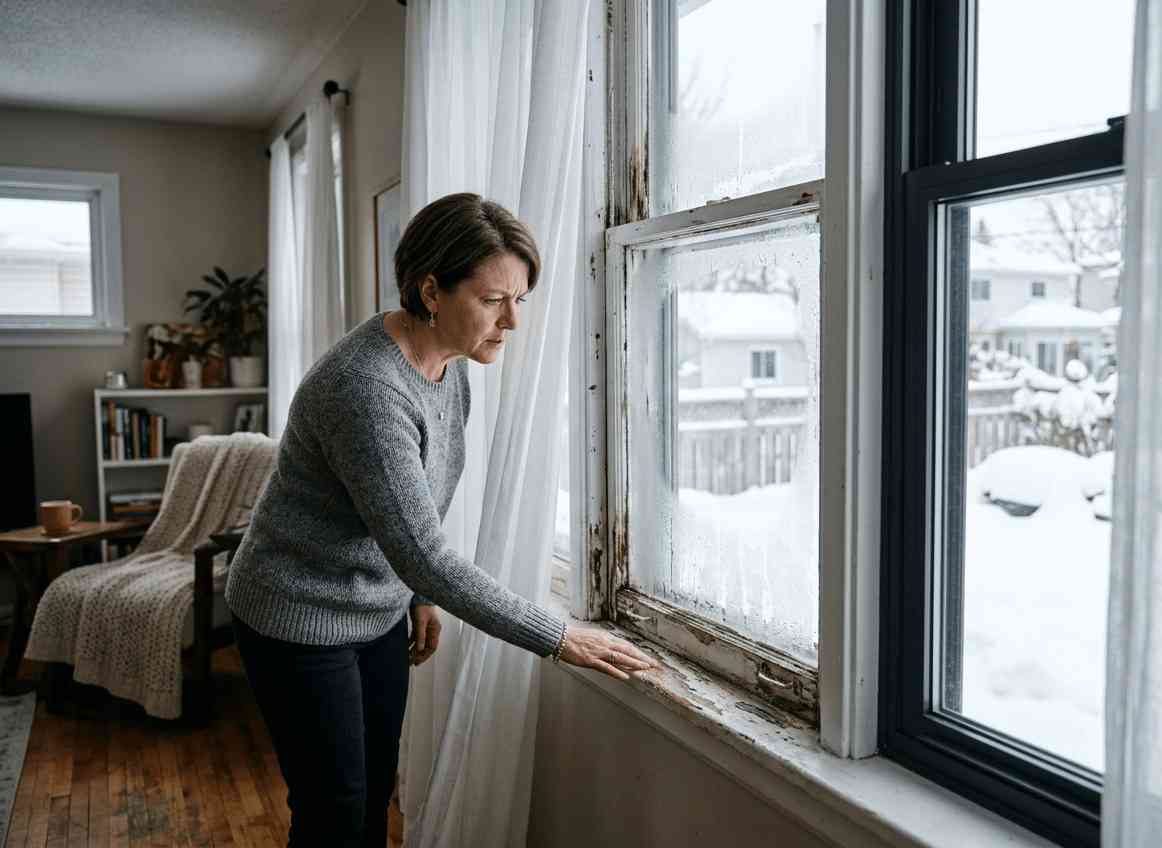
Nestled along the Grand River in western Michigan, Grand Rapids experiences all four seasons, from humid summers to icy, snow-filled winters.
These changing weather conditions can take a toll on residential windows over time, affecting their performance and energy efficiency.
Homeowners in the area often notice subtle changes in indoor comfort before realizing that aging windows may be the cause.
Your windows do a lot more than give you a nice view of the yard or let the dog judge the neighbors.
They help keep your home comfortable, quiet, and protected from the weather.
The tricky part is that window problems often show up slowly, so you get used to them without noticing.
If your house feels a little drafty, noisy, or stubborn, your windows might be asking for help. Here are some easy signs that it may be time for an upgrade.
Rising energy bills
If your heating or cooling bill keeps climbing and your habits haven’t changed much, your windows may be part of the problem.
Old or worn windows can let warm air escape in winter and allow heat to sneak in during summer. Your HVAC system then has to work overtime, and your wallet feels it.
For residents of Grand Rapids window replacement can be a convenient and cost-effective repair because of local professionals who understand the region’s climate challenges and can recommend energy-efficient solutions tailored to local homes.
You might notice certain rooms are always too hot or too cold. That’s often a clue that your windows are no longer sealing well.
Even if they still look fine at first glance, poor performance can quietly drive up monthly costs.
Windows shouldn’t act like tiny open doors, yet older ones often do exactly that.
Drafts you can feel
A drafty window is one of the easiest signs to notice. You walk by it and suddenly feel a little chill on your arm, even though the window is closed. That’s your house basically whispering, “We have a problem.”
Drafts usually happen when seals wear out, frames shift, or caulking breaks down over time.
In older homes, this is especially common because materials expand and shrink through years of changing weather.
A tiny gap may not seem like a big deal, but it can make a room feel uncomfortable fast.
You can do a simple check by holding your hand near the frame on a windy day. If you feel moving air, that’s a red flag.
You may also notice curtains moving slightly or a room that never feels quite cozy. Small drafts have a sneaky way of becoming big annoyances.
Hard to open
Windows should open without turning into a full upper-body workout.
If you have to shove, yank, or wiggle them into place, something isn’t right. Sticking windows are frustrating, but they can also point to bigger issues.
Sometimes the frame has warped from age or moisture. In other cases, dirt buildup, broken hardware, or balance problems make the window difficult to move. Wood windows can swell over time, especially if they’ve been exposed to humidity or small leaks.
This matters for more than convenience. In an emergency, you want windows to open easily. If one jams during a storm or won’t stay open for fresh air, it’s not doing its job well.
A good window should work with you, not against you like a moody old garage door.
Fog between panes
If you see fog, haze, or moisture trapped between two panes of glass, that usually means the seal has failed.
Double-pane windows are designed with an insulating space between the glass layers.
When that seal breaks, outside moisture can slip in and get stuck.
This isn’t just about looks, although cloudy windows definitely make a home feel a little tired.
The bigger issue is that the window is no longer insulating the way it should. You lose some of the energy-saving benefit the window once had.
People sometimes confuse this with regular indoor condensation.
The key difference is location. If the moisture is on the inside surface, that may be a humidity issue.
If it’s trapped between the panes and you can’t wipe it away, the window itself is likely failing.
At that point, replacement often makes more sense than repeated temporary fixes.
Outside noise indoors
If your home sounds like it’s hosting every passing truck, barking dog, and weekend lawn mower, your windows may not be blocking sound very well.
Older windows often let in more noise because they have thinner glass, weaker seals, or outdated construction.
This is easy to brush off until you realize how much it affects daily life. Maybe your bedroom faces the street and you keep waking up early.
Maybe your living room never feels peaceful because you hear every conversation outside.
Noise pollution is real, even if it doesn’t leave muddy footprints.
Newer windows can help reduce outside sound and make your space feel calmer.
You don’t need total silence like a recording studio. You just want your home to feel like a break from the world.
Better windows can make a surprising difference in that department.
Curb appeal matters
Sometimes the biggest clue is simply that your windows make the whole house look dated.
Faded frames, chipped finishes, and mismatched styles can drag down curb appeal, even if the rest of your home looks cared for.
Windows take up a lot of visual space, so people notice them more than you might think.
Inside the house, older windows can also make rooms feel darker or less polished.
New windows often brighten up a space and give it a cleaner, fresher look. That can be a nice boost whether you plan to stay for years or sell down the road.
If you’re deciding whether to replace them, think about function first, then style, then budget.
You don’t need the fanciest option on the block. You just need windows that work well, look good, and fit your home.
When your windows start failing in several ways at once, upgrading usually becomes the smart move.