

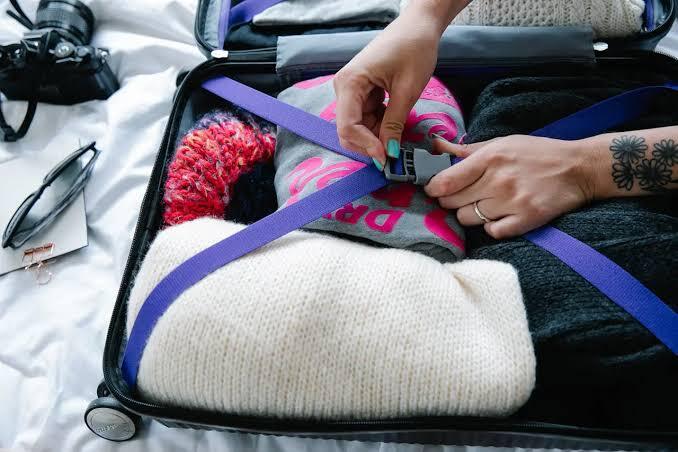
Moving creates a long checklist, and most people spend their time thinking about the obvious things.
They focus on furniture, boxes, and large household items because those take the most effort to move.
The problem appears after the truck is unloaded. Suddenly, you need your phone charger, a clean shirt, important paperwork, or medication, and you have no idea which box contains it.
This happens every day during moves across Memphis. Between packing, coordinating schedules, and getting settled into a new home, small essentials often get overlooked.
Those missing items can turn an exciting move into a frustrating experience.
A smoother move starts with knowing what people commonly forget and making a plan before moving day arrives.
The items in this guide may seem simple, but they often become the things people need most during the first few days in a new home.
The Pet Supplies That Often Get Left Behind
Pets often struggle with moving day because their environment changes suddenly and their routines become disrupted.
In the rush to pack furniture, kitchen items, and clothing, many people accidentally pack pet essentials into boxes that won’t be opened right away.
Food, water bowls, medications, waste bags, litter supplies, leashes, and favorite toys should stay within easy reach throughout the move.
Keeping these items accessible helps maintain normal routines and reduces unnecessary stress for animals during a busy transition.
It also makes it easier to care for them during travel and throughout the first few days in a new home.
While you’re organizing the move, take time to create a dedicated pet essentials bag and keep it separate from everything else.
If you choose to hire a moving company in Memphis, identify must-have items before moving day so important belongings—including pet supplies—remain easy to access from start to finish.
Documents You Cannot Afford to Lose
Important paperwork often gets packed with books, office supplies, or random household items because people run out of space in other boxes. That decision can create major problems when documents are needed immediately after the move.
Keep identification cards, passports, birth certificates, insurance information, medical records, lease agreements, mortgage documents, and moving contracts together in a dedicated folder.
Carry this folder yourself rather than placing it in the moving truck.
You may need access to these documents sooner than expected, especially if you are setting up utilities, enrolling children in school, updating records, or completing paperwork related to your new property.
Taking a few minutes to organize documents before moving day can save hours of stress later when you are trying to locate something important.
Chargers Always Go Missing
Few things are more frustrating than arriving at a new home with a nearly dead phone and no charger in sight.
Electronics play a major role during a move because people rely on their phones for directions, communication, digital documents, and scheduling.
Charging cables often end up tangled inside boxes filled with miscellaneous items.
Finding them later can become a time-consuming task. Set aside a small electronics pouch before packing begins. Include phone chargers, laptop chargers, portable battery packs, headphones, and any other devices you use daily.
Label each cord if several family members share electronics.
Keeping these items together prevents unnecessary searching and helps you stay connected throughout the moving process. A fully charged phone can solve countless problems on moving day.
Cleaning Supplies You’ll Need Right Away
Many people assume cleaning supplies can stay packed until unpacking begins.
Then they arrive at the new house and realize they want to wipe shelves, clean counters, or freshen up rooms before placing belongings inside.
A small cleaning kit makes those first few hours much easier.
Pack paper towels, disinfecting wipes, trash bags, an all-purpose cleaner, and a few basic supplies in a separate container.
Even homes that look clean often need a quick touch-up after move-in.
Dust may have accumulated during the vacancy, and surfaces usually need attention before dishes, clothing, and personal items are unpacked.
Having supplies available immediately allows you to clean as you go instead of postponing the task. It also helps keep packing materials and moving debris under control from the start.
Medications Need Special Attention
Prescription medications are among the most commonly forgotten moving-day essentials.
People pack bathroom cabinets into boxes and don’t realize their medicine is buried somewhere in the truck until they need it later.
Gather all medications several days before the move and store them in a clearly marked container that stays with you.
Include prescription medicines, allergy treatments, pain relievers, vitamins, and any medical devices you use regularly.
Families with children should also keep common health essentials within easy reach.
Moving days are busy and often unpredictable. Delays, traffic, and long hours can affect routines.
Easy access to medications helps you maintain those routines without interruption. A few minutes of preparation can prevent unnecessary stress and ensure that important health needs remain a priority throughout the move.
The Toolbox You’ll Wish You Packed
Many people discover they need tools within minutes of arriving at their new home.
Furniture often requires assembly, curtain rods need installation, and boxes need opening.
Unfortunately, basic tools frequently end up buried deep inside moving cartons.
A small toolbox should travel separately and remain easy to access. Include a screwdriver set, utility knife, scissors, measuring tape, flashlight, hammer, and extra batteries.
These tools handle the most common tasks that arise during move-in day.
Keeping them together saves time and prevents frustration when small projects appear unexpectedly.
A flashlight can also prove useful if utility connections are delayed or if you move into the home during the evening.
Simple preparation eliminates many unnecessary interruptions.
The One Box to Open First
One of the most practical moving strategies is creating a clearly labeled box that contains the items you’ll need before unpacking anything else.
This box should be loaded last and unloaded first. Include toilet paper, hand soap, basic cleaning supplies, chargers, snacks, bottled water, medications, important paperwork, and a few everyday household necessities.
The goal is simple: eliminate the need to search through multiple boxes during the first several hours in your new home.
Many experienced movers recommend this approach because it creates immediate access to the essentials people use most often.
A well-prepared open-first box helps you settle in faster and makes the transition feel more organized from the moment you arrive.
Most moving problems don’t happen because people forget large furniture or major household items.
The challenges usually come from overlooking everyday essentials that support daily routines.
Personal bags, important documents, chargers, medications, cleaning supplies, pet items, kitchen basics, tools, and valuable belongings all deserve special attention before moving day arrives.
Planning for these items takes very little extra effort, yet it can make a significant difference once you reach your new home. A successful move depends on more than getting boxes from one place to another.
It depends on having the right things available when you need them. Thoughtful packing helps you settle in faster, stay organized, and avoid many of the common frustrations that catch movers by surprise.