

Your home roofs are subjected to the worst of environments—heavy rain, high wind velocity, scorching sunshine, and snow.
Yet, most homeowners do not realize problems at first until there are leaks or warped shingles. As a result, such a delay causes expensive repair and avoidable anxiety.
Therefore, it is smarter to prevent damage before it occurs than to repair it later. This is where Roof Scientist makes a difference.
Professionals at Roof Scientist assess your roof’s weak points, recommend the right materials, and improve drainage, ventilation, and thermal performance.
With these steps, these are focused action plans that will cover your roof regardless of the weather conditions.
This article identifies five practical methods through which Roof Scientist can secure your roof against extreme weather conditions, so that you can enjoy a long-lasting and durable home.
1. Choose Weather‑Resistant Materials
Selecting the right materials is the first step in weatherproofing your home.
Roof Scientist assesses your roof by considering the rules of the place and things that can harm your roof. They also provide ideas that are resistant to wind, hail, heat, and even snow.
This expertise ensures that every shingle, panel, or coating performs as intended when the weather turns severe.
Research shows that cool roofs and reflective coatings significantly reduce surface temperatures, helping prevent heat-related damage and prolonging the lifespan of your roofing system.
Proper materials don’t just last longer—they actively protect your home against environmental stress.
Roof Scientist is also concerned with the maintenance requirements and energy efficiency.
Choosing materials that resist harsh weather and reflect sunlight helps your roof survive storms. It also lowers cooling costs and keeps your home comfortable all year.
2. Prioritize Roof Thermal Performance
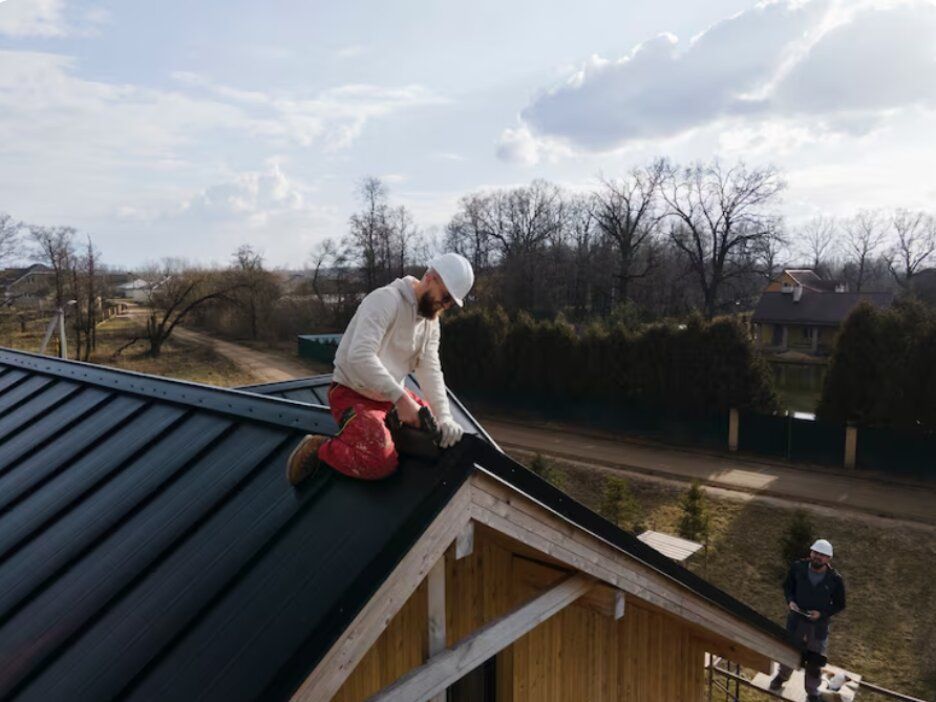
Temperature swings cause constant stress on roofing materials. Hot days expand surfaces while cold nights cause contraction, slowly weakening shingles and seals.
Left unchecked, this thermal cycling can lead to cracks and leaks.
Roof Scientist studies your roof’s thermal behavior, considering insulation, reflective coatings, and ventilation to reduce expansion stress.
Research demonstrates that roofs with heat-mitigation strategies outperform traditional designs, lowering thermal loads and stabilizing indoor temperatures.
Moreover, energy efficiency is also affected by thermal performance. An insulated roof with a good thermal balance would prevent your HVAC system from overstretching.
Hence, it saves you on heating costs and keeps your house comfortable no matter what the weather is like out there.
Such adjustment is preventative, enabling your roof to withstand years of seasonal pressures.
3. Improve Drainage and Water Flow
Water is a relentless enemy of roofs. Unless the rain or melting snow is redirected promptly, the runoff can accumulate and pass under the shingles, resulting in damage to structures below the roof. Poor drainage accelerates rot, mold growth, and leaks.
Roof Scientist examines the full drainage system, adjusting roof slopes, gutters, downspouts, and flashing to ensure water moves off efficiently.
This careful planning prevents accumulation during heavy storms, reducing the risk of interior damage.
Proper drainage is also of great importance with the rising intensity of extreme precipitation.
With enhanced travel routes of water and fixing of defects, Roof Scientist assists your roof to endure the heavy water or snow adverse weather without expensive loss.
These systems are inspected regularly, making them functional with time.
4. Ensure Proper Ventilation
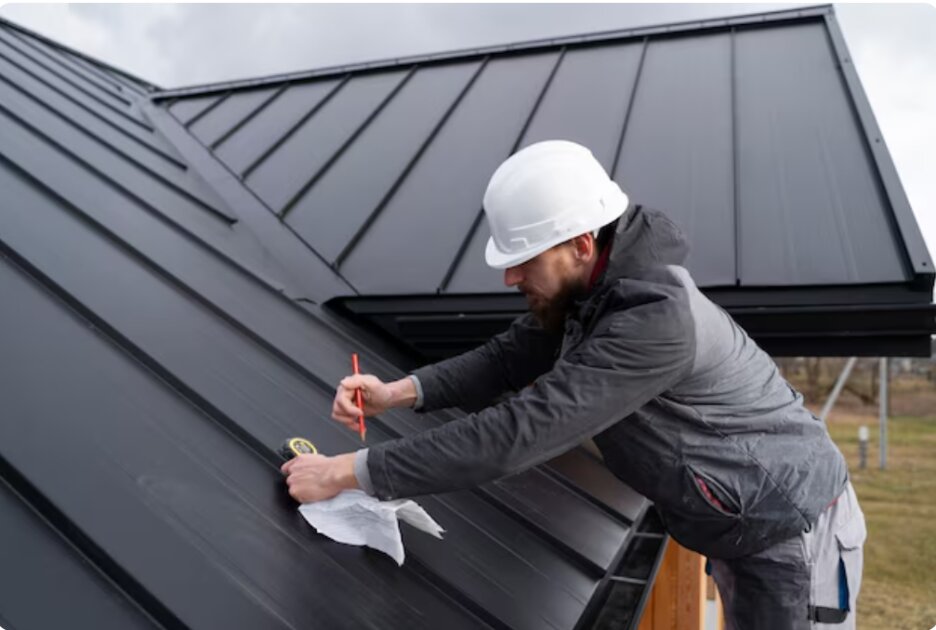
Moisture that is absorbed by the layers used to cover roofs can rot insulation, bend wood, and lead to the development of molds.
Hence, adequate ventilation keeps both temperature and humidity in check and eliminates the concealed harm that is poorly perceived.
Roof Scientist evaluates attic airflow, ridge vents, soffit intake, and even mechanical ventilation options to optimize air circulation.
Properly installed ventilation maintains air flow out in summer and condensation in winter, which helps to increase the life of the roof and insulation.
Good airflow also improves energy efficiency. Homes with balanced ventilation maintain a stable indoor temperature, lowering utility costs while preventing structural deterioration.
Roof Scientist ensures your ventilation strategy is tailored to your roof’s specific design and local climate.
5. Monitor and Maintain Year‑Round
The strength of a roof is based on continuous care. Even superior materials wear out over time, and small problems such as uplifted shingles or sunlight damage may end up causing huge problems when left unaddressed.
Roof Scientist offers general inspection, monitors deterioration and damage, and prescribes preventive maintenance.
Since they are well-trained, they will be able to spot minor problems at the initial stage before they become expensive maintenance.
By identifying vulnerabilities in advance, Roof Scientist helps homeowners address problems before they escalate.
Scheduled maintenance keeps your roof strong, safe, and weather-ready in every season, providing long-term protection and peace of mind.
Conclusion
Severe weather doesn’t wait for convenient timing. Therefore, Roof Scientist helps to make your roof stronger by choosing strong materials, making it thermally efficient, ensuring proper drainage and ventilation, and keeping a regular maintenance program.
Together, each step reduces the risk of leaks, rot, and structural damage while extending your roof’s life.
To begin, start with a professional roof assessment from Roof Scientist.
Taking these proactive steps will enable you to save money on expensive renovation repairs, secure your house against severe weather conditions, and savor security and comfort throughout your years of ownership.