
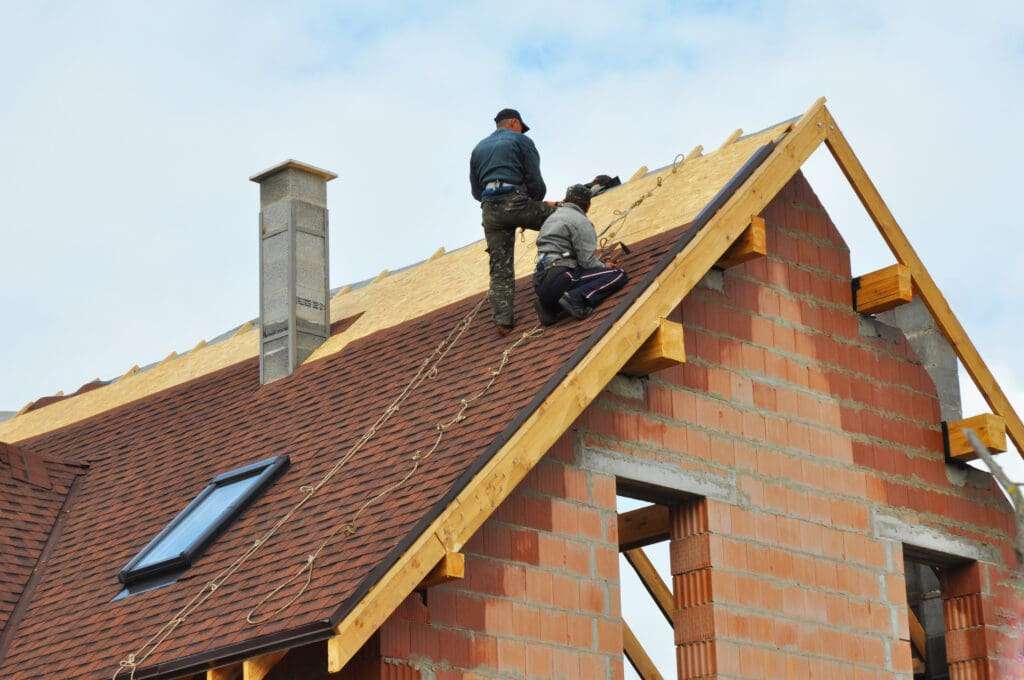
Your roofing choice is an important decision for your home because it is a critical component.
The roof serves aesthetic, safety, and energy-efficiency functions.
Therefore, selecting a roof for your home should be a careful process, with careful thought, to achieve the perfect results.
How can a roof choice transform the style and energy efficiency of your home? In this article, we will discuss the ways your roof improves the visual and energy needs of your home. Here are 8 ways your choice can affect your house.
Curb Appeal
Your roof contributes significantly to the look and feel of your home because it makes up about 40% of its visible exterior.
A well-designed roof will boost the beauty of your house and also add to the monetary value of your home.
If your roof is in poor condition or not well maintained, it drags down the curve appeal of your property, which in turn reduces its value.
A fresh roof with a nice design style, paint job, and appearance immediately creates a “wow” effect that helps your home stand out in your area.
If you plan to sell your home in the future, your curb appeal is important because it helps you get a good price from a new buyer.
Curb appeal will drive up buyer interest and increase the pool of offers.
Style Matching
The type of home you own will determine the roof style you choose.
You should match your roof style to complement your home for a cleaner look and feel. Modern homes are best with sleek metal roofing sheets or minimalist asphalt shingles.
Traditional homes work well with classic asphalt shingles in grey, black, or earth tones.
Spanish-style homes do better with concrete barrels or clay tiles to get the best match.
If the roofing and style of your house is mismatched, it leads to visual chaos, which affects the curb appeal and aesthetic of your home.
It can make an expensive home look cheap, and poor visuals can negatively affect your property’s price.
Unique Design Elements
Selecting a roof goes beyond basic material selection, as you can add unique roofing elements that can transform your house.
Skylights can provide natural lighting on upper floors and make your rooms feel larger.
Solar tubes provide illumination like skylights, but they are smaller, while custom roof lines combine multiple roof shapes for architectural drama.
Unconventional colours like forest green or burgundy add character to your roof and make it stand out.
Green roofs add living vegetation to the top of your house and create an eco-friendly environment, thereby improving your home’s value.
These and many other roofing design elements can positively impact your home’s style and property value.
Lower Indoor Temperatures
Cool roofs are made of specialised reflective materials designed to minimise heat absorption and naturally regulate internal temperatures. There are varying types of cooling roofs which can fit different home designs.
There are asphalt shingles with reflective granules, metal roofs coated with special reflective paint, TPO/PVC for flat roofs, and ceramic tiles with reflective glaze.
Using these cool roofs for your home can drastically reduce roof surface and air temperatures.
It will also decrease cooling costs by up to 15% and improve your indoor comfort by keeping the temperature stable.
Furthermore, it reduces your peak electricity usage and makes your home more energy efficient.
Colour and Texture
The colour and texture of your roof must harmonise to bring out its best qualities.
Dark roofs work better with light contrast and vice versa.
Your roof tones should complement your primary stone colours, and your roof should match your trim while providing intentional contrast.
Your landscaping also plays an important role in the colour and texture your roof should take so as to have a uniform, blended look.
Dark roofs signal wealth and sophistication, while the lighter roofs convey modernity and cleanliness.
Natural Insulation
Natural wood is a great material for roofs that want natural insulation. Its natural insulating properties are from its cellular structure and air pockets.
These air gaps allow air to flow through them, creating insulating air layers. It also absorbs heat slowly during the day and releases this heat at night.
This regulates the indoor temperature and keeps your energy costs low.
Using this heat transfer mechanism, the upper parts of your house can remain cooler even though they are closer to the roof.
During winter, it retains indoor heat, keeping your home warmer for longer.
This roof style requires frequent maintenance and has a shorter lifespan than other roofs, but the accrued value makes up for these drawbacks.
Air Circulation
Using clay and concrete tiles create ventilation gaps that have high thermal mass.
During installation, the tiles are given overlapping patterns that allow air channels underneath.
The dense material absorbs massive amounts of heat before transference, which helps with temperature regulation.
This delayed heat transfer keeps your home cool during the warm days and warmer on cool nights.
This roofing material has a lifespan of 50 to 100 years, the longest recorded among all roofing materials. This is perfect Spanish and Southwestern architecture.
Energy Savings
Your roof choice is important for energy savings. Metal roofs are reflective because of their metallic surfaces.
They reflect a significant portion of solar radiation rather than absorbing the heat. This is great for hot climates and homeowners looking for long-term savings.
Metal roofs are also durable against wind, fire, hail, and rot. This prolongs the life of your roof and ensures you achieve 85% to 95% efficiency.
Get certified metal roofing contractors for your project to get the best deals on materials and experience.
Endnote
Your roof choice goes a long way in determining the look and feel of your property.
It also contributes significantly to energy efficiency and utilisation.
The style of your home should be one of the major considerations before choosing roofing materials and style.
You should also consider your budget and the size of your house before making roofing choices.
Finally, choose a contractor with the correct permits and insurance for your roofing project.