

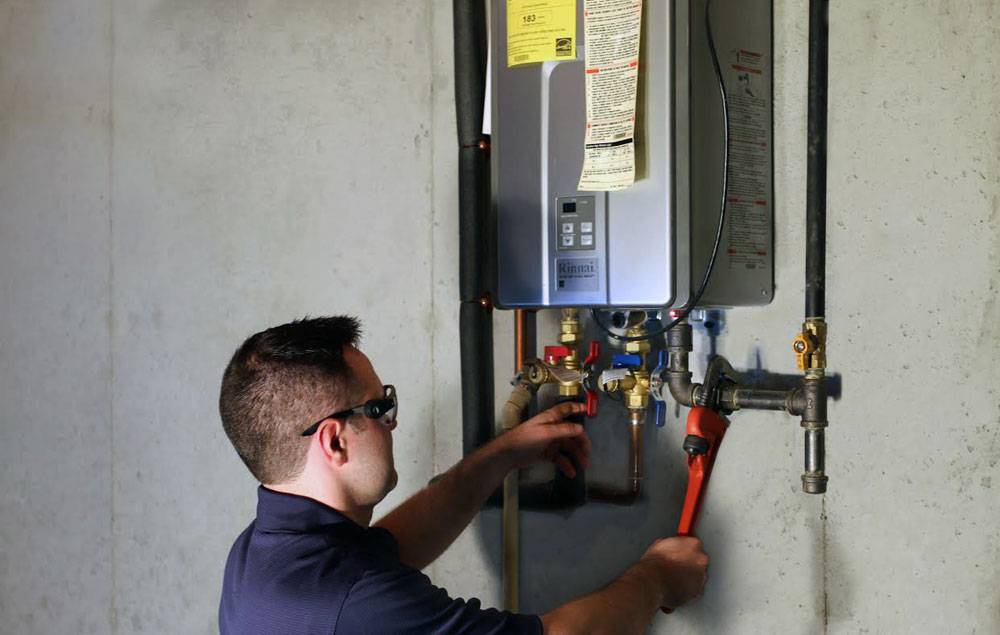
A tankless unit can lose performance in ways that feel sudden.
Hot water may turn cold, pressure may drop, or an error code may appear.
These issues can point to scale, sensors, fuel supply, or vent trouble. Here is what a repair visit may include.
Start With a System Check
A repair visit usually starts with a full look at the unit and its controls.
Tankless water heater repair helps with error codes, water flow, heat output, and visible wear.
This first step may help improve the repair plan. It also keeps the focus on the real fault.
The check may include power, gas supply, valves, filters, and vent paths.
A service provider can review these parts and explain the results in clear terms. This helps avoid a quick guess that misses the cause. It also aids in better choices for the next step.
Review Heat and Flow
Hot water trouble may come from low flow, scale, or a weak heat exchanger.
If water moves too slowly or too fast, the unit may struggle to heat it well.
Mineral buildup can also block heat transfer inside the system. A repair may include flush work or part checks.
Pressure problems can affect showers, sinks, and laundry use.
Filters, sensors, and nearby pipes may need a close review. Small blockages can make the whole system feel unreliable.
Proper checks may help restore steadier hot water.
Check Fuel, Power, and Ignition
Gas tankless units need steady fuel supply and clean ignition parts.
Electric parts, control boards, and sensors also play a role in safe operation. If one part fails, the unit may shut down or show a code. A repair visit helps trace that issue with care.
Parts That May Need Attention
Common repair points can include:
- Ignition parts
- Flow sensors
- Heat exchanger
- Vent or air intake
- Filters and valves
These parts work together during each hot water cycle.
Tankless water heater repair may include repair, cleanout, reset, or part replacement based on the fault.
The goal is to help the unit heat safely and with less strain. Clear notes from the visit can also help with future care.
Address Scale and Hard Water
Scale is a common reason tankless systems lose strength. Minerals can build up inside the heat exchanger and narrow the water path. This can reduce heat transfer and force the unit to work harder. A flush may help clear buildup and improve flow.
Hard water areas may need more regular care. Without it, small deposits can turn into repeat hot water trouble.
Descale service helps protect key parts from extra stress. A service provider can suggest a schedule based on water quality and use.
Test the Unit After Repair
After the repair, the system should be tested through normal hot water use at key fixtures.
Hot water should reach sinks and showers at a steady temperature without sudden drops.
Error codes should clear, and pressure should feel more stable during use. This step may help confirm that the issue was handled with care.
The final check may also include leaks, vent safety, gas or power connections, and control settings.
Any unusual noise, delay, or temperature change should be noted before the visit ends.
A simple service record helps track repairs, parts, and system behavior over time. That record can aid future maintenance decisions and make repeat issues easier to review.
Tankless repair can include diagnostics, flow checks, fuel or power review, descaling, and part repair.
Each step helps connect the symptom with the cause. The best result comes from a careful check, not a rushed fix.
With practical care, a tankless system may stay more reliable for daily hot water use.