

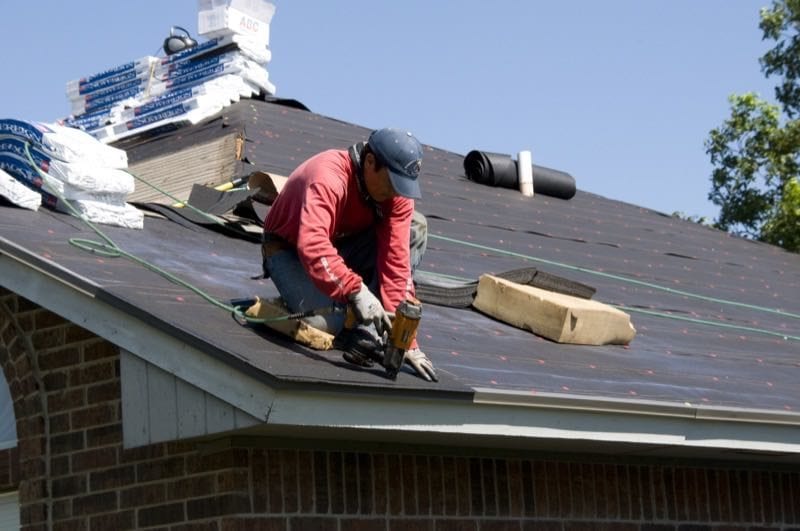
Think of your roof as the first and most important line of defense for your home. In modern homes with sophisticated, expensive smart systems, this first line of defense is crucial to the longevity of those systems.
Your roof also protects your family members and other items beneath it from the elements, security threats, and other exposure risks.
However, if your roof is in a bad shape most of the time, you may not enjoy any or all of these benefits that come with a sturdy, functional roof.
Regardless of roof type, effective maintenance is crucial for optimal performance. Here are the top seven maintenance tips you should consider to prolong the life of your modern home’s roof.
Schedule Regular Inspection
Regular roof inspections are as crucial to your roof’s well-being as medical checkups are to your health.
Even if your roof is still new and looks okay from the ground, it may hide small problems that can quietly develop over time.
Regular inspections can help you identify these small issues early and avert any potential escalations when it’s still easier and cheaper to do so.
A good rule of thumb is to schedule a professional inspection at least once a year, or sooner if you’ve experienced a strong storm.
Roofing inspectors can examine curling shingles, soft spots in vent pipes, and flashing around chimneys, among other issues.
Tell-tale signs like pooling water, algae growth, and animal activity on the roof could indicate structural damage to the home’s overall integrity.
Your roofer will advise on the best approach for each problem they discover, based on the extent of damage to your roof and other repair requirements.
Care for Your Gutters and Downspouts Regularly
Gutter and downspout care and maintenance might look like a small contribution to your roof’s functionality and well-being, but that’s not always the case.
Keeping your gutters and downspouts clean helps prevent clogging in the gutter, which traps moisture and exposes your roof to water damage.
You can clean your gutters seasonally, especially in the fall and spring, to keep debris and dead organisms off your roof.
If you’re not prepared for frequent gutter cleaning and unclogging, you can install gutter guards to filter out dirt and debris.
However, even with the guards, you shouldn’t abandon periodic checks to ensure everything works perfectly all year long.
In situations where serious damage has occurred, you can replace gutters with better ones and maintain a more consistent inspection schedule to keep them in great shape.
Trim Overhanging Tree Branches
Trees growing close to your house can provide good shade and make your home look generally beautiful.
However, when the branches hanging over the roof get so close, they can cause serious damage if they fall off during a storm or due to any other trigger.
A large tree branch falling on the roof can dent gutters, break shingles, or damage the flashing in one instant.
When tree branches hang too close to the roof, the smaller branches can scrape the roof surface and wear away the protective layers with time.
Leaves and dead branches can also drop on the roof, blocking your gutters and causing moisture buildup and mold growth.
Keep branches trimmed at least 6 to 10 feet from the roof to lower the risk of storm damage and protect your roof all year round.
Keep an Eye on Moss, Algae, and Debris
Moss and algae only require a consistent amount of moisture supplied to grow and thrive on your roof.
Despite the rustic, weathered appearance they portray, they also cause real damage to your roof.
They hold water for a prolonged period against your shingles and underlying structures, causing your roof to deteriorate over time.
Lichens and moss also feed on the limestone in the shingles, weakening them faster than they’re supposed to last.
When you notice moss, algae, and debris build-up in your roof, it’s important to invest in the right measures to avert further damage.
If you’re doing the cleaning yourself, use safe removal techniques and avoid pressure washing.
You can schedule a professional roof-cleaning service to safely clear off any debris and mold growth from your roof.
Ensure Optimal Attic Ventilation
Attic ventilation plays a key role in your roof’s overall well-being and longevity.
If the attic is poorly ventilated, heat and moisture may accumulate inside your home, causing roofing materials to bake from underneath.
During the cold seasons, the trapped warm air can cause condensation and ice dam issues, leading to roof deterioration.
Proper attic ventilation allows for optimal air movement through the vents, helping to maintain the appropriate temperature, ideal for your roof.
With the controlled temperature, the moisture content is reduced on your roof, protecting its structures and prolonging its lifespan. You can tell if your attic is poorly ventilated by checking for warning signs like:
- Mold in the attic
- Musty smells
- High indoor humidity
- Rising energy bills
- Hot upstairs rooms
By fixing poor ventilation issues, you can improve your roof’s durability and the comfort levels in your home.
Address Small Leaks Promptly
Anytime there’s a small leak in your roof, you should brace for a bigger problem sooner or later.
Water spreads quietly but fast through insulation, ceilings, wood, and drywall, causing bigger problems within a short time.
By the time you notice a telltale sign of a leak in your roof, the damage is already spread underneath the ceiling.
The common signs you can check out for include:
- Peeling paint
- Damp attic insulation
- Ceiling stains
- Musty smells after rain
Maintain Detailed Maintenance Records
Roofing repairs and maintenance can cost a lot of money, prompting the need for effective record-keeping to track spending and streamline compensation.
For roofs whose warranties are still active, homeowners can pursue compensation if they can prove, through maintenance data, that the roof was repaired within the warranty period.
Before a warranty claim is paid out, the roofing material company will need records of the inspection, upgrade, repair, and the contractors who did the work.
You can use a home maintenance app or a simple spreadsheet to record your maintenance details for future use.
Caring for your roof through effective maintenance is the best way to achieve optimal performance and prolong its lifespan.
Regardless of how old your roof is, regular maintenance is crucial for your roof’s well-being.
By observing the above tips, you can trust that your roof will perform its best for a long time and even boost your home’s value if you decide to sell.