

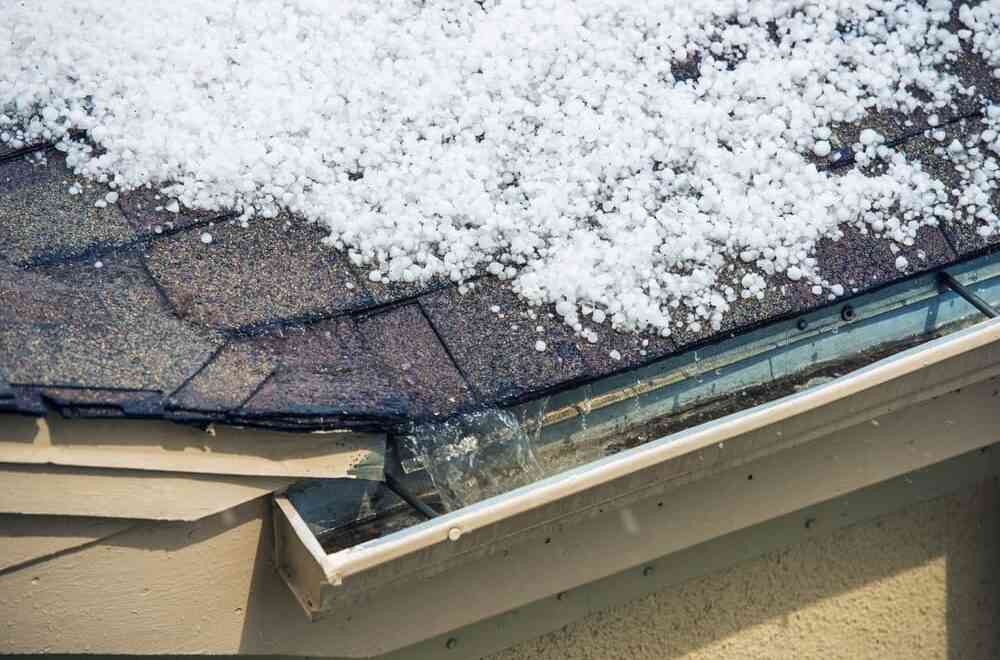
After a major hailstorm tears through Orlando, the phone lines at insurance companies light up.
Adjusters are dispatched. Damage is assessed. And the settlement offers begin to arrive, often faster than homeowners expect, and often for amounts that don’t come close to covering what actual repair or replacement will cost.
The speed of that initial offer isn’t coincidence.
It’s a strategy. And understanding how that strategy works, and how a hail damage lawyer counters it, is the difference between accepting inadequate compensation and getting what you’re actually owed.
What Hail Actually Does to a Home
Hail damage is one of the most misunderstood categories of property damage, partly because its effects aren’t always immediately obvious and partly because insurance companies have a vested interest in characterising some damage as cosmetic rather than functional.
The reality is that hail causes damage across multiple home systems simultaneously, and the full scope of that damage often isn’t apparent from a surface inspection.
Roof damage is the primary concern. Hail impacts dislodge granules from asphalt shingles, the protective layer that prevents UV degradation and moisture infiltration.
Granule loss that’s significant enough to compromise the shingle’s integrity may not produce visible leaking immediately, but it dramatically shortens the roof’s remaining useful life and creates conditions for progressive deterioration and eventual leakage.
Gutters and downspouts often show the most visible evidence of a hailstorm, dents and impacts that demonstrate the scale of the event and the force of the hail.
Siding, windows, and HVAC equipment can all sustain damage in significant hail events that may not be immediately visible from ground level but that represents real loss warranting compensation.
Why Insurance Company Offers Are Often Inadequate
Insurance companies are profit-driven entities. Their adjusters are trained professionals, but they work for the insurer, not for you, and their assessments are conducted within a framework that rewards conservative valuations.
Common tactics that reduce initial settlement offers:
- Characterising functional damage as cosmetic — downplaying granule loss, impact damage, or dents as affecting only appearance rather than function
- Using depreciation calculations that reduce replacement values — applying age and condition deductions that may not accurately reflect the actual cost of repair or replacement
- Missing damage items — particularly items that require close inspection or specialist knowledge to identify
- Low-balling repair costs — using estimates from preferred contractors whose pricing reflects the insurer’s cost management objectives rather than market rates
- Applying policy terms selectively — characterising damage as pre-existing or attributing it to maintenance issues rather than the storm event
Homeowners who accept initial offers without independent review frequently discover, when they actually engage contractors for repairs, that the settlement falls far short of actual repair costs.
What a Hail Damage Lawyer Actually Does
A hail damage attorney works on behalf of the homeowner, not the insurance company.
The role is to ensure the claim is properly investigated, accurately valued, and negotiated fairly.
The practical work involved in a hail damage case often includes:
- Independent damage assessment using contractors, roofing specialists, or public adjusters to identify the full extent of storm damage
- Detailed policy review to determine applicable coverage, exclusions, and insurer obligations
- Preparation of a documented claim supported by repair estimates, storm reports, photographs, and expert assessments
- Negotiation with the insurance company and, when necessary, litigation to challenge inadequate settlements or wrongful denials
A skilled hail damage lawyer in Orlando helps shift the process from a one-sided insurance negotiation to a more balanced legal and financial discussion.
For homeowners dealing with disputed or underpaid storm claims, firms such as Vargas Gonzalez Delombard provide the insurance law experience and advocacy needed to pursue a fairer outcome.
According to the Insurance Information Institute’s property claims data, hail and wind damage consistently represent the largest category of homeowners insurance claims in the United States.
The disputes about settlement values are correspondingly common, particularly in the aftermath of major storm events.
The Importance of Acting Quickly
Hail damage claims have time-sensitive elements that make prompt action important.
Insurance policies typically require timely notice of claims, and some policies have specific time limits for property damage claims.
Delays in engaging professional help can limit the options available and complicate the documentation of storm-related damage.
Storm evidence also degrades over time. The meteorological record is clearest immediately after the event.
Damage attribution becomes more complicated as time passes and as subsequent weather events affect the property.
If you’ve received an inadequate offer, or if you haven’t yet filed a claim but have sustained hail damage, engaging legal support promptly protects your options.
What to Do Before Calling a Lawyer
A few steps homeowners can take immediately after a hailstorm to support their claim:
- Document everything — photograph all visible damage to roof, gutters, siding, windows, and any exterior equipment before any cleanup or temporary repairs
- Do not accept any settlement offer without independent review — accepting may limit your ability to seek additional compensation later
- Keep records of all communications with the insurance company — dates, times, representatives, and content of conversations
- Request a copy of the adjuster’s report — you’re entitled to this, and reviewing it for accuracy is important
Conclusion
A hailstorm that causes significant damage to your home is a financial event as much as a physical one.
The settlement you receive determines how completely your home is restored, and inadequate settlements leave homeowners funding the gap from their own resources.
Professional legal advocacy in the claims process exists precisely to prevent that outcome.
If the offer on the table doesn’t cover what repair actually costs, it’s worth finding out what a full, properly documented claim looks like.