
Living in a small space can feel restrictive for many homeowners, who may not know how to make good use of the available space.
Most of the time, it’s not a space problem but an organizational and design problem that isn’t handled effectively.
Homeowners in this situation fail to understand what to keep in their space and how to organize it to optimize it.
Poor styling and layout choices can make a space feel cramped, while a few simple changes can transform it.
Below, we’ll look at some of the most common mistakes homeowners make that make their already small homes feel even smaller.
Using Bulky or Large Furniture
Large furniture pieces offer enhanced comfort and functionality, but only if used in a larger room or space.
The fact that a sprawling sofa or a statement-making bed can fit your room doesn’t qualify them to be there.
A good sign that you have the perfect furniture size for your space is when it fits and leaves extra room all around it for easy access.
If you’re moving from a spacious home to a smaller one, you should be particularly concerned about your furniture fitting seamlessly in the new space.
Also, if your sofas have wide arms, they can easily make your living room appear and feel smaller. The height matters too. If your furniture is too tall, it can block the natural sightline, making your space feel disorderly.
The best way to solve this problem is to get custom-made or sizable furniture for each home you move into.
Opt for streamlined furniture designs that achieve a sense of openness without compromising on comfort.
You should measure the rooms before buying or bringing in old furniture to ensure every piece fits perfectly in your available space.
Not Monitoring Clutter
As you settle in, your once-organized, tiny space may start to accumulate clutter without you noticing.
This clutter can be caused by items you brought in to enhance a personal touch of warmth and color in specific spaces.
However, with time, some of these decorations and personal artifacts become obsolete, making your space feel cluttered and much more confined.
If you don’t use your vertical space effectively in the bathroom, kitchen, and even the living room, you’ll end up with clutter sooner or later.
The small appliances in the living room and kitchen, and the many bottles in the bathroom, may make your space look smaller than it already is.
You should monitor the clutter in your space and create additional storage solutions as needed.
Sometimes, it might mean optimizing your unused vertical space, or getting sizable storage rental containers to safely store extra items and create more space at home.
You can also opt for smart storage solutions, such as under-bed and under-table storage, to make better use of the space you already have.
Positioning All Your Furniture Against the Wall
Pushing your furniture against the wall is definitely not a problem you invented, but one that should stop with you.
The practice is embraced by many homeowners who believe it’s the best way to create and maximize space in the middle of the room.
While the intention is to maximize floor space, the opposite effect is often achieved instead.
The approach draws eyes straight to the room’s walls, which instantly exposes the room’s small size.
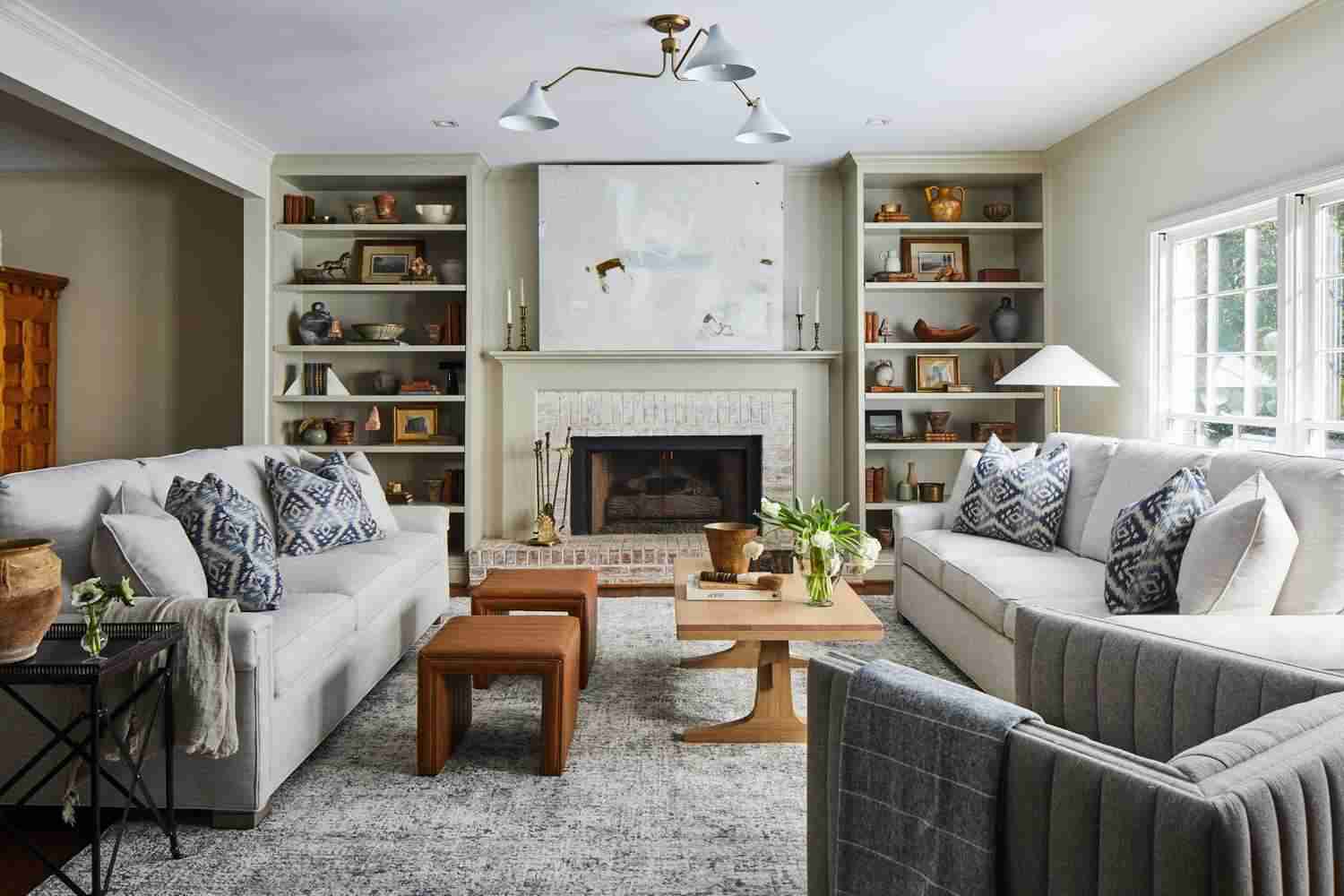
A smarter, more practical approach is to pull furniture pieces slightly away from the wall to create zones and improve flow.
It doesn’t have to be a big move from the wall; even a few centimeters from the wall can make the living room feel more spacious and intentional.
Slight adjustments in furniture placement can trick the eye into perceiving a larger, more welcoming space.
Using Too Many Dark Colors
Dark colors play a crucial role in enhancing depth and drama in a space.
However, too much use of these colors can also make your space look and feel smaller and more confined.
If you’re decorating a smaller room to make it look more inviting and spacious, you should minimize dark hues or avoid them altogether.
Instead, use lighter hues and softer textures that can reflect light and immediately brighten your space.
Opt for soft whites, creams, pale greys, and pastels as a starting point for achieving the best color combination for a small space.
These colors brighten your space and visually open it up. But you can still balance the brighter hues with a touch of deeper tones, like metallic accents, to help balance the lighter tones and bounce light around for a perfect ambiance.
Minimizing or Blocking Natural Light
Even if you have the best mix of light colors in your rooms, if natural light isn’t hitting the space enough, then the effect may not be felt.
A small room with minimal natural light penetration can feel like a cave, but the problem might not be as easy to solve as opening curtains or windows.
Sometimes, your home may be positioned against the direct path of light, which can disadvantage it.
It may also be large pieces of furniture or indoor plants placed directly in front of windows, instantly minimizing light penetration and shrinking the perceived size of the room.
To solve the problem, you’ll first need to verify what’s causing the natural lighting problem, whether it’s a blocked window or insufficient light sources.
The former is easy to solve—just remove whatever is blocking the light path and rearrange your space.
However, if it’s a case of insufficient light sources, you may have to add more windows or a skylight to improve light flow into your room.
Ignoring Functionality
Most of the time, homeowners focus on improving aesthetics when designing a small space, but functionality is equally important.
While you work on the room’s appearance, it’s also important to consider how the layout supports your daily activities.
For instance, if you’re looking to maximize your kitchen to serve as both a cooking and dining space, consider items like foldable tables, which can be folded away when unneeded.
Living in a small space can have its advantages, but if you don’t make optimal use of the available space, you might feel like leaving the next day.
Once you understand what your space can and cannot do, it’s important to implement necessary measures to maximize its use.
By avoiding the above mistakes, you can easily transform your home into a more functional and comfortable space.