

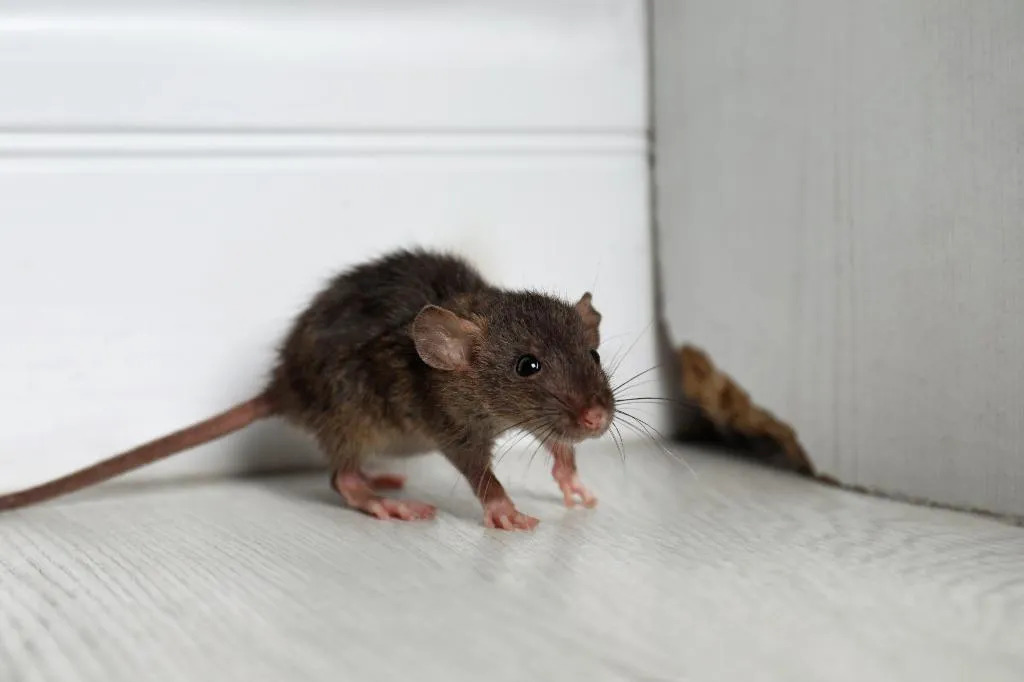
Rodents are more than just an occasional nuisance. Mice and rats can contaminate food, damage property, spread disease, and create ongoing stress for homeowners and businesses alike.
While a single sighting may seem minor, rodents are often a sign of a larger problem developing behind walls, beneath floors, or in hidden areas of a building.
Many people focus on removing rodents after they appear, but long-term protection requires a more strategic approach.
Effective rodent management involves understanding why infestations occur, eliminating conditions that attract pests, and implementing preventive measures that keep them from returning.
By taking a proactive approach, property owners can reduce the likelihood of recurring infestations and enjoy greater peace of mind throughout the year.
Why Rodent Problems Persist
One of the biggest reasons rodent infestations continue is that the underlying causes are often left unresolved.
Simply trapping or removing visible rodents addresses the immediate issue but does not eliminate the factors that attracted them in the first place.
Rodents seek three basic necessities: food, water, and shelter. Even a small opening in a foundation, garage door, roofline, or utility entry point can provide access to a warm and protected environment.
Because mice can squeeze through openings as small as a dime and rats can enter through surprisingly narrow gaps, buildings often contain more entry points than owners realize.
Once inside, rodents reproduce quickly, turning a small problem into a significant infestation in a relatively short period.
Long-term rodent control begins with identifying and addressing these vulnerabilities.
Conducting a Thorough Property Inspection
A comprehensive inspection is the foundation of any successful rodent prevention plan.
Before implementing control measures, it is important to understand how rodents are entering the property and where they are nesting.
Common signs of rodent activity include:
- Droppings near food sources
- Gnaw marks on wood, wiring, or packaging
- Grease marks along walls
- Scratching noises in walls or ceilings
- Nesting materials such as shredded paper or insulation
Inspect both interior and exterior areas carefully. Pay particular attention to attics, basements, crawl spaces, garages, utility penetrations, and storage areas.
Identifying access points early allows property owners to focus efforts where they will have the greatest long-term impact.
Sealing Entry Points to Prevent Future Infestations
Exclusion is widely considered one of the most effective rodent control strategies available.
If rodents cannot enter a structure, they cannot establish a nesting population inside.
Seal cracks, gaps, and holes around foundations, doors, windows, pipes, vents, and utility lines.
Materials such as steel wool, metal flashing, concrete, and specialized sealants can help create durable barriers.
Door sweeps and weather stripping should also be inspected regularly. Even small gaps beneath doors can provide easy access for rodents seeking shelter.
Unlike temporary solutions that focus only on removal, exclusion creates lasting protection by addressing the source of the problem.
Reducing Food and Water Sources
Rodents are highly adaptable and opportunistic. Even a clean property can become attractive if food and water are readily available.
Store dry goods in sealed plastic, metal, or glass containers with tight-fitting lids rather than cardboard packaging. Clean up crumbs promptly, secure trash bins, and avoid leaving pet food exposed overnight.
Outdoor conditions matter as well. Bird feeders, fallen fruit, overflowing garbage containers, and standing water can all attract rodents closer to a property.
Reducing access to food and water makes the environment significantly less appealing and encourages rodents to seek resources elsewhere.
Maintaining Outdoor Areas to Discourage Rodents
Landscaping plays an important role in rodent prevention. Overgrown vegetation, wood piles, dense shrubs, and accumulated debris create ideal hiding places and nesting sites.
Keep grass trimmed and maintain a clear space between vegetation and building exteriors.
Firewood should be stored off the ground and away from structures whenever possible.
Regular yard maintenance not only improves appearance but also reduces the opportunities rodents have to establish themselves near a property.
Creating an open and well-maintained environment makes it more difficult for rodents to remain undetected.
Rodent Challenges in New York City
Urban environments present unique pest management challenges. High population density, aging infrastructure, extensive food service activity, and constant construction can create ideal conditions for rodents.
In particular, rodent management in New York City often requires a combination of exclusion, sanitation, monitoring, and community-wide cooperation. Because rodents can easily move between neighboring properties, controlling activity in one building may not be enough if nearby conditions continue to support infestations.
Property owners researching rodent control NYC solutions frequently discover that prevention is just as important as removal.
Sealing entry points, managing waste effectively, and maintaining buildings can significantly reduce long-term risks.
The demand for effective rodent management strategies in New York City has grown as residents and businesses seek sustainable ways to address recurring rodent activity.
In dense urban areas, ongoing monitoring and preventive maintenance are often critical components of successful rodent management.
Whether dealing with residential properties, commercial buildings, or multi-unit housing, rodent management programs in New York City are most effective when they focus on long-term prevention rather than short-term fixes.
Monitoring Rodent Activity Over Time
Long-term pest management is not a one-time task. Regular monitoring helps identify new activity before it develops into a larger infestation.
Monitoring may include checking traps, inspecting known problem areas, and watching for fresh droppings, gnaw marks, or signs of nesting.
Seasonal changes can also influence rodent behavior.
As temperatures drop, rodents often seek indoor shelter, increasing the likelihood of infestations during fall and winter months.
Routine inspections allow property owners to respond quickly and maintain control throughout the year.
The Importance of Proper Waste Management
Waste management is one of the most overlooked aspects of rodent prevention.
Garbage provides a reliable food source, particularly in urban and suburban environments.
Overflowing dumpsters, improperly sealed trash containers, and neglected waste storage areas can attract rodents from considerable distances.
Businesses should establish regular waste disposal procedures and ensure dumpsters remain closed when not in use.
Residential properties benefit from secure trash storage and prompt removal of waste.
By reducing access to food sources, communities can significantly lower rodent populations over time.
When Professional Assistance Becomes Necessary
Some infestations are too extensive or complex to address without professional support.
Large rodent populations, recurring infestations, or activity within difficult-to-access areas may require specialized expertise.
Professionals can conduct detailed inspections, identify hidden entry points, assess risk factors, and develop comprehensive treatment and prevention plans.
They may also use advanced monitoring tools and integrated pest management techniques designed to provide long-term results while minimizing unnecessary environmental impact.
Seeking professional assistance early can prevent minor issues from escalating into costly structural damage or widespread infestations.
Building a Long-Term Rodent Prevention Strategy
Effective rodent control is not about reacting to occasional sightings. It involves creating an environment where rodents cannot easily survive, reproduce, or gain access.
The most successful long-term strategies combine multiple approaches, including exclusion, sanitation, habitat modification, monitoring, and ongoing maintenance.
Each element supports the others, creating a comprehensive defense against future infestations.
Property owners who invest in prevention often experience fewer pest-related disruptions, lower repair costs, and greater confidence in the safety and cleanliness of their environment.
By focusing on the root causes of infestations rather than temporary solutions, it is possible to achieve lasting protection and enjoy true peace of mind.