
Homeownership has changed significantly over the last decade.
Many homeowners are no longer approaching repairs as temporary cosmetic projects designed only to improve appearance.
Instead, there is growing focus on long-term durability, energy efficiency, weather resistance, and structural reliability.
Roofing, in particular, has become one of the most important parts of that conversation.
Rising repair costs, unpredictable weather patterns, stronger storms, and increasing property values have all encouraged homeowners to think more strategically about exterior maintenance.
Rather than waiting for major leaks or visible damage to appear, more people are investing in preventive roofing upgrades designed to protect their homes over time.
This shift reflects a broader change in how homeowners view property maintenance overall.
A roof is no longer treated simply as a protective covering.
It is increasingly viewed as a critical part of long-term home performance, indoor comfort, insulation efficiency, and property value preservation.
Homeowners Are Becoming More Preventive Instead of Reactive
For many years, roof repairs were often delayed until damage became impossible to ignore.
Small leaks, missing shingles, ventilation problems, and drainage issues were frequently treated as manageable inconveniences rather than early warning signs.
Today, however, homeowners are becoming far more proactive.
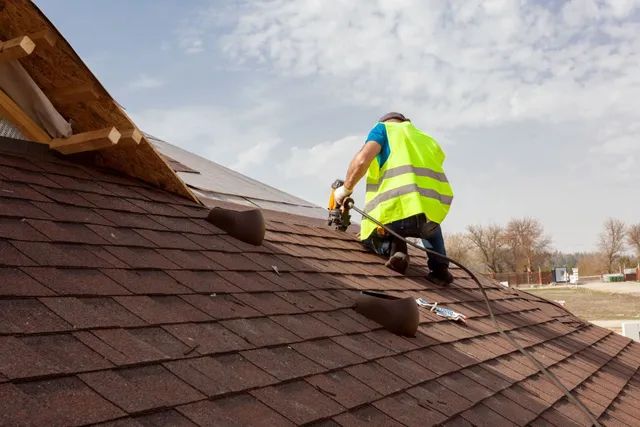
Many property owners now schedule regular inspections, monitor storm damage more carefully, improve attic ventilation, replace aging materials earlier, and prioritize preventive maintenance before larger structural issues develop.
This approach is especially common in regions exposed to intense heat, heavy rain, hailstorms, and seasonal weather fluctuations.
The financial logic behind this trend is relatively simple.
Preventive maintenance is often significantly less expensive than emergency structural repairs caused by long-term water intrusion or neglected roofing systems.
At the same time, homeowners increasingly recognize that roofing problems rarely remain isolated.
Moisture exposure can eventually affect insulation, drywall, ceilings, framing, flooring, ventilation systems, and even indoor air quality if left unresolved for extended periods.
Roofing Quality Is Becoming a Major Part of Home Value
Another major shift involves how roofing quality now directly influences buyer perception in competitive housing markets.
Modern buyers often evaluate roofing condition early during the purchasing process because replacement costs can be substantial.
A well-maintained roof can improve buyer confidence, while visible wear or uncertainty surrounding roof condition may create hesitation even when interior spaces appear updated. Because of this, many homeowners are approaching roofing upgrades as long-term property investments rather than maintenance expenses alone.
This growing focus on durability, workmanship, and long-term protection has also increased attention toward companies specializing in full-service exterior solutions.
Homeowners researching preventive roofing strategies, storm protection, ventilation improvements, and long-term exterior reliability sometimes turn to companies including Altair Austin Roofing Company when evaluating approaches designed to improve structural protection while supporting long-term property value and energy performance.
The broader shift reflects how roofing decisions are increasingly connected to overall home resilience rather than short-term patchwork repairs.
Weather Conditions Continue Increasing Exterior Stress
Climate-related weather volatility has also changed how homeowners think about roof maintenance.
In many parts of the United States, roofing systems now face more intense environmental stress than they did in previous decades.
Extended heat exposure, sudden temperature swings, high winds, hailstorms, heavy rainfall, and prolonged UV exposure can gradually weaken roofing materials over time.
Texas homeowners, in particular, often deal with combinations of extreme heat, severe storms, moisture exposure, and seasonal weather fluctuations that place significant pressure on exterior systems throughout the year.
As awareness surrounding these risks grows, many homeowners are prioritizing roofing materials and installation standards capable of improving long-term performance under difficult environmental conditions.
The conversation has therefore shifted away from appearance alone.
Durability, ventilation quality, water management, insulation support, and resistance to weather-related deterioration are becoming central priorities during renovation planning.
Energy Efficiency Is Influencing Roofing Decisions
Energy efficiency has also become a major factor influencing roofing investments.
Modern homeowners increasingly understand that roofing systems directly affect indoor temperature regulation, cooling efficiency, attic ventilation, and overall energy consumption.
Poor insulation, trapped heat, damaged roofing materials, and inadequate airflow can significantly increase HVAC strain during warmer months.
As utility costs continue rising, many homeowners are searching for ways to improve overall home efficiency through exterior upgrades.
Roofing systems designed to support better airflow, reflective performance, insulation stability, and moisture control are becoming increasingly attractive because they may help reduce long-term energy waste while improving indoor comfort.
This trend reflects a broader movement toward performance-focused homeownership where structural systems are expected to support both durability and efficiency simultaneously.
Preventive Maintenance Is Becoming a Standard Part of Modern Homeownership
Industry organizations have also continued highlighting the importance of long-term roof maintenance and regular inspections.
According to the National Roofing Contractors Association, proactive roof inspections and preventive maintenance play important roles in identifying early damage, extending roof lifespan, improving weather resistance, and reducing the likelihood of larger structural problems developing over time.
The organization has repeatedly emphasized that small roofing issues can escalate quickly when left untreated, particularly in environments exposed to heavy storms, moisture fluctuations, or prolonged heat exposure.
These recommendations closely align with the growing homeowner focus on long-term structural protection rather than emergency repair cycles.
Exterior Design Is Becoming More Performance Focused
Another noticeable trend involves the growing relationship between exterior design and practical functionality.
Homeowners today increasingly want exterior upgrades that combine visual appeal with long-term performance.
Roofing materials are now evaluated not only for color and appearance, but also for impact resistance, durability, lifespan, ventilation compatibility, and maintenance requirements.
This broader perspective reflects how home improvement priorities have evolved.
Exterior systems are no longer viewed separately from overall lifestyle comfort and property protection.
As a result, roofing contractors are increasingly expected to understand not only installation itself, but also moisture management, insulation performance, drainage systems, structural ventilation, and long-term maintenance planning.
The growing complexity of modern roofing expectations has raised standards across the entire industry.
Insurance and Long-Term Costs Are Also Affecting Decisions
Insurance considerations are another reason homeowners are paying closer attention to roof condition.
Older roofs or neglected storm damage can sometimes complicate insurance claims, increase premiums, or reduce coverage flexibility. Because of this, many homeowners are becoming more careful about documenting inspections, maintaining repair records, and addressing damage before problems worsen.
Long-term ownership costs are also influencing decisions.
Frequent low-cost repairs often become more expensive over time than investing in higher-quality materials and proper installation from the beginning.
This has encouraged more homeowners to think in terms of lifecycle value rather than short-term repair pricing alone.
Technology Is Improving Roofing Assessments
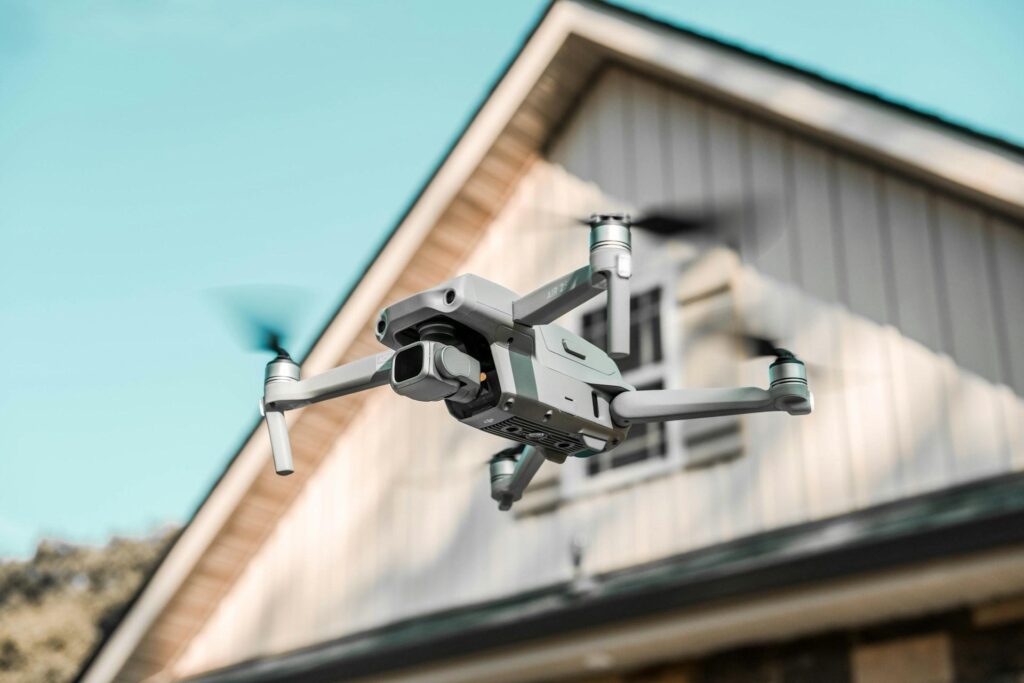
Technology is also changing how roofing inspections and maintenance are handled.
Drone imaging, moisture detection tools, thermal scanning, satellite measurements, digital modeling, and advanced inspection software now allow contractors to identify roofing issues with greater precision than in previous years.
These tools help homeowners better understand the actual condition of roofing systems rather than relying only on visible surface damage.
Improved inspection accuracy has also made preventive maintenance planning more accessible because smaller issues can often be identified earlier before larger structural damage develops.
Long-Term Protection Is Becoming the Priority
Perhaps the biggest cultural shift involves how homeowners now think about long-term property ownership itself.
Many people are moving away from temporary, reactive repair habits and instead prioritizing stability, durability, and sustainable home maintenance strategies.
Roofing sits at the center of that transition because it directly influences structural protection, weather resistance, energy performance, and long-term property condition.
Today’s homeowners increasingly understand that investing in exterior protection early can help reduce future stress, unexpected repair costs, and long-term structural complications.
As housing markets continue evolving and climate conditions remain unpredictable, the demand for durable roofing systems and preventive maintenance will likely continue growing.
For many homeowners, protecting the roof is no longer viewed as occasional maintenance alone. It has become one of the foundational parts of protecting the entire home for years ahead.