

There’s not much an ordinary homeowner can do about global disruptions that are causing fuel prices to rise.
With inflation expected to edge higher, homeowners will need to deal with higher energy costs.
Especially now that summer has arrived, it pays to know which methods can help boost energy savings and ensure long-term sustainability.
The best that any homeowner can do at this point is to focus on improvements that allow for better cooling and heating, leading to a significant decrease in electricity consumption.
If you’re looking to improve your home’s energy efficiency, you will need to spend the right amount of time and money on the right features.
It can be difficult to know where and how to get started, considering that not all energy-efficient enhancements can add to your home’s overall resale value.
To be sure, spend as much time as you can researching the right tools that match your goals and lifestyle. Here’s a quick guide to help you with that:
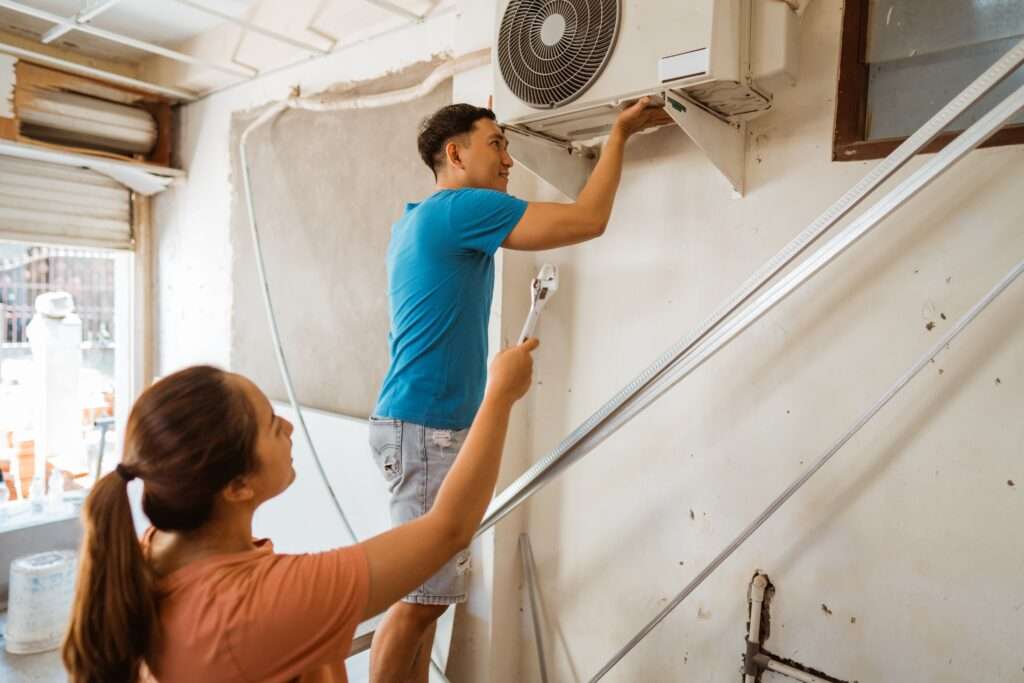
Maintain and Repair Your HVAC System
Air conditioners alone account for as much as 12% of your total energy expenses, so you can only imagine how much you’re paying during the peak of summer.
HVAC maintenance should be your top priority if your system has already gone past the ten-year mark.
Most HVAC units can perform well for as long as eight years before aging and regular wear begin to take its toll.
Under extreme conditions and through overuse, your HVAC system will consume more energy just to keep up with your needs.
It eventually comes to a point at which it fails to provide adequate heating and cooling while causing your energy bills to surge.
Regardless of how long you’ve operated your HVAC system, regular maintenance can help extend its lifespan and ensure that it performs just as well as it did when it was first installed.
You can do much of the work by yourself, so consider cleaning out the filters every month and clearing the vents of any dust and debris.
For more complicated work, such as checking for refrigerant leaks and cleaning movable parts and condensers, consider hiring a licensed and reliable professional.
They are most likely to recommend replacing your entire system if it’s considered outdated by the current standards or if it needs more frequent repairs than it should. You would save more by opting for a replacement.
Check Your Home for Air Leaks
A small gap in your garage door may seem negligible, but having too many around your house can cause a surge in your monthly energy bills.
It matters to seal them right away, and it’s not just to reduce your spending. Maintaining weatherstripping can also protect your home from pests and moisture.
To identify gaps, simply feel around your doors and windows for outside air. Hold up a candle near the edges.
If the flame flickers, then you may have found gaps that require the realignment of your windows and doors. You can opt for a replacement if these have warped or shrunk beyond repair.
Another issue you will need to fix to prevent air leaks is to check your weatherstripping for obvious signs of damage.
Apart from air leaks, damaged weatherstripping can contribute to pest invasions, moisture damage, and noticeable increases in your monthly energy expenses.
You may need to upgrade your weatherstripping at this point. Once installed, be sure to clean it with soap and water to remove debris.
Dry it before adding silicone lubricant to protect the rubber from damage and regular wear and tear caused by friction.
Mind the Lights
With LED lights, you could reduce your home’s energy bills by as much as 90%.
To make the most of these upgrades, choose bulbs based on brightness or lumens, which is crucial if you have large common areas that require optimal illumination.
You also have the option of adding a dimmer switch to control the brightness of your bulbs and match whatever mood you want to achieve.
More advanced lighting systems, on the other hand, make use of motion sensors that activate the lights once movement is detected within a certain area.
Moreover, natural lighting is free and provides adequate heating, allowing you to save energy costs during near-zero conditions.
You just need to invest in certain improvements that can help amplify the amount of natural light that enters indoor spaces.
For one, you can make your windows larger and reduce the number of furniture or fixtures that block sunlight.
It also helps if you could install a skylight directly above your living room or dining room. Just be sure that the glass you’re using is designed to block excess UV light.
Inspect Your Roofing System
Another factor that could lead to higher energy costs is a damaged roof.
High temperatures could damage the shingles, while water damage brought by heavy rains could compromise internal parts, including the insulation, as well as wooden sections that are highly vulnerable to deterioration and mold.
If you want to save more money on electricity each month, consider keeping your roofing system in good condition.
Do a monthly checkup that includes locating air leaks and sources of water damage. Patch these up, along with replacing missing or damaged shingles, which often cause hotter indoor conditions.
However, there are cases when the damage is too costly to fix that you’re better off replacing the entire roofing system with one made from upgraded materials.
It may have to shoulder a hefty upfront cost to get this done, but it’s well worth it in the long run if you factor in annual energy savings.
You just have to look for the right professionals who can help you make the most of your time and money. If you’re opting for a new roof installation in Raleigh, then a service like Results Roofing Wilmington NC, might be a good option.
Develop a Heart for Sustainability
Overall, these tips are only as good as you apply them. In the long run, lowering your energy costs requires commitment and discipline. Lacking both will render everything else on this list a waste.
For this reason, everyone at home should be mindful of how they consume electricity.
Simple acts such as unplugging unused appliances and other vampire connections can make a huge difference.
You don’t want to stop with electricity. You can extend this lifestyle to other tasks, such as saving and reusing water and growing a vegetable garden.
It also matters to air-dry your clothes rather than use a dryer. You can also do the same to your dishes.
In any case, applying these tips regularly can add more to the money you’ve already saved.
Endnote
An energy-efficient home is one goal you will need to achieve, whether or not you’re staying for the long run. Keep these tips in mind and put thousands of dollars back in your wallet.