
Private offices are having a quiet resurgence. Not because open-plan is “dead,” but because many businesses have realised that focus, confidentiality, and operational control are hard to maintain when your workspace is constantly shifting.
Add tighter data protection expectations, more hybrid teams, and rising client sensitivity around professionalism, and “secure” becomes more than a buzzword—it’s a practical requirement.
So what does it actually mean to choose a secure private office that supports your business needs, not just your headcount? It starts with recognising that security isn’t only about locks on doors.
It’s also about stability, risk management, and having a space that won’t fight your day-to-day workflow.
Security Isn’t One Feature—It’s a System
When people hear “secure office,” they often picture CCTV and keycards. Those matter, but security is broader: physical access, digital hygiene, and even how predictable your environment is week to week.
Physical access and visitor control
A secure private office should make it easy to welcome the right people and keep out the wrong ones—without turning your team into part-time reception staff.
Look for basics done well: controlled entry, clear guest procedures, well-lit common areas, and professionally managed reception protocols.
If you host clients, investors, or candidates, these details also quietly signal competence. People notice when a building feels orderly and safe.
Privacy for sensitive work
Even if you’re not handling classified information, most organisations deal with something sensitive—customer data, pricing models, contracts, IP, HR matters.
In shared environments, it’s surprisingly easy for confidentiality to erode through small moments: overheard calls, visible screens, documents left in communal printers.
Private offices help, but it’s still worth checking sound insulation, line-of-sight from corridors, and whether there are bookable meeting rooms for conversations you don’t want floating around.
Choose the Right Commitment Level (and Know Why You’re Choosing It)
Hybrid work has changed how companies think about space.
Some teams need maximum flexibility; others need stability to build routines and culture. A secure office choice should match the reality of how you operate—not how you wish you operated.
If you’re planning for steady headcount, recurring client visits, or building a consistent team cadence, it may make sense to prioritise longer commitments over short-term convenience.
In that context, exploring long-term office solutions for businesses can be a practical step—particularly if you want a private leased setup where you can settle in, standardise processes, and reduce the operational drag of moving spaces every few months.
The key question to ask yourself is simple: are you optimising for optionality, or for momentum?
Operational Fit: The Details That Quietly Make or Break Productivity
Security and support go hand in hand. A well-run office reduces “background stress”—those small interruptions that chip away at focus and time.
Reliability: power, internet, and building management
It’s hard to overstate how quickly unreliable infrastructure turns into real cost.
A secure private office should have dependable internet (ideally with options or redundancy), clear incident response if something goes down, and building management that doesn’t disappear when you need help.
Ask pointed questions:
- What happens if the internet fails?
- Is there onsite support, or is it remote-only?
- How are maintenance issues logged and resolved?
You’re not being difficult—you’re evaluating business continuity.
Space that supports the way your team works
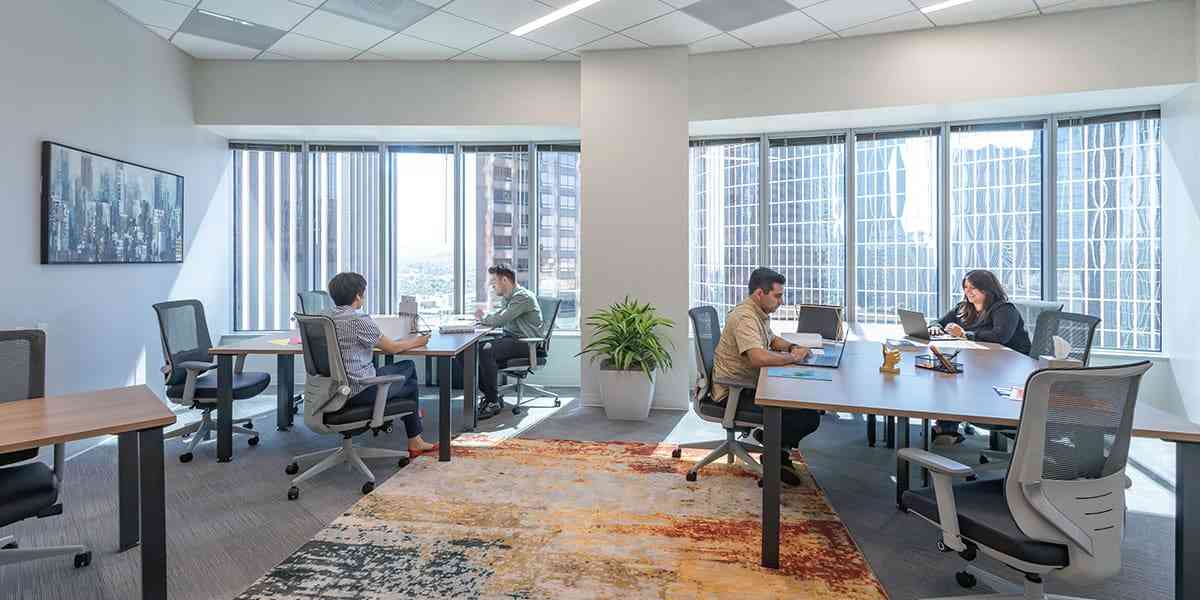
A private office can still be the wrong private office. Consider whether the layout supports your actual work patterns: heads-down time, collaborative bursts, video calls, and confidential meetings.
If your team does frequent calls, cramped rooms can become noisy and stressful; if you do deep work, too much internal foot traffic can drain focus.
A good operator will help you think through desk density, meeting room access, and how your space might adapt as you hire.
Compliance, Trust, and the Modern Client Expectation
For many service businesses—finance, legal, healthcare-adjacent, consulting, recruitment—workspace choices now play into trust.
Clients may never ask about your office security directly, but they feel it in how you handle meetings, documents, and confidentiality.
Data protection and workspace behaviour
Even with strong IT policies, physical environment influences behaviour.
Secure disposal options, lockable storage, private meeting rooms, and sensible printing arrangements help teams follow good practices without extra friction.
If your organisation is serious about GDPR (or simply about reputation), treat the office as part of your control framework. It’s not just an overhead; it’s part of how you manage risk.
A Practical Checklist for Evaluating Secure Private Offices
When you’re comparing spaces, it helps to separate “nice-to-haves” from the features that genuinely protect operations and support growth. Here’s a compact set of criteria worth using in walkthroughs and negotiations:
- Access control: keycard/fob entry, auditability where appropriate, visitor management
- Privacy: sound insulation, meeting room availability, visual privacy from corridors
- Resilience: internet reliability, backup options, clear support escalation
- Onsite management: responsiveness, maintenance standards, clear building rules
- Storage and handling: lockable cabinets, secure disposal, sensible mail handling
- Professional environment: reception experience, cleanliness, lighting, safety in shared areas
Use the list as a conversation tool. If an operator can’t answer these points clearly, that’s often a signal in itself.
How to Make the Space Work Once You’ve Moved In
Selecting a secure office is only step one. The next step is making sure your team uses it well.
Set simple norms early
In the first month, align on basics: where confidential documents live, how meeting rooms are booked, what “clean desk” means in your context, and how visitors are handled. Lightweight norms prevent awkwardness later—especially as you grow.
Plan for growth without constant disruption
If you expect hiring, think about expansion options before you sign. Can you add desks? Move to a larger office within the same building? Keep the same address while upgrading space? Stability is a form of security too—because moving is one of the most disruptive operational events a business can create for itself.
The Bottom Line
Secure private office space isn’t about finding the fanciest building or the trendiest postcode.
It’s about choosing a workplace that reduces risk, protects confidentiality, and supports how your team actually operates—today and six months from now.
If you treat the office as part of your operating system, not just a cost line, the right choice becomes clearer.
Look for security as a system, reliability as a baseline, and a commitment level that matches your business rhythm. Your team (and your clients) will feel the difference.