

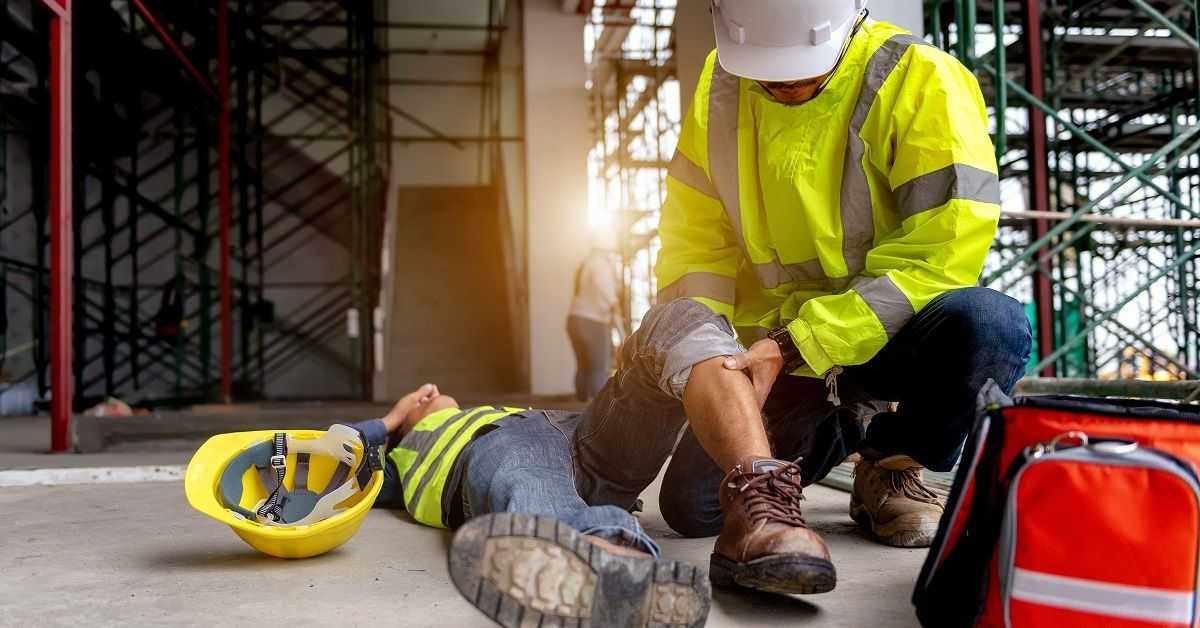
A construction accident takes place when safety controls fail, hazards go unrecognized, or procedures are ignored on active job sites.
They usually include falls, equipment breakdowns, electrical exposure, and structural collapses, which may hurt an individual.
Most incidents are preventable by proper training, supervision, and adherence to safety standards. Unfortunately, if it happens, these tend to cause trauma in the form of fractures, burns, spinal damage, and traumatic brain injuries.
If negligence contributes to the accident, victims have the right to file a construction accident claim to recover medical costs and lost income.
The first step to prevent these accidents is to understand how they happen.
Typical Construction Site Accident Contributors
Falls From Heights
Falls are still the biggest cause of death in construction. Workers fall from scaffolding, ladders, roofs, and unprotected edges without guardrails or harnesses on the sides. Short falls too frequently result in severe injuries.
If you or someone you love has been harmed on a job site, speaking with an injury lawyer can help you understand your legal options and learn more about pursuing compensation for medical bills, lost wages, and long-term recovery.
Struck-By and Caught-In Incidents
Employees can be struck by falling tools, swinging equipment, or moving vehicles. Caught-in accidents happen when people get caught between machinery or collapsing materials. Often, such events occur due to insufficient site organization or a lack of spotters.
Failures of Equipment and Machinery
There is a danger of heavy equipment, especially cranes and forklifts, in cases of improper maintenance. Mechanical failure, operator error, or lack of training greatly increases the chances of injury.
Electrical Hazards
Wiring left exposed, temporary power systems, and contact with overhead lines can all result in electrocution. Wet conditions and degraded insulation further increase the hazard.
How to Stay Safe on Construction Sites
Rigorously Follow Safety Protocols
Follow site-specific safety plans, regulations, etc. Regular inspections will also lead to hazard assessments if supervisors mandate them.
Wear Appropriate Personal Protective Equipment (PPE)
Hard hats, high-visibility clothing, gloves, and fall-protection systems minimize the severity of an injury. PPE needs to fit correctly and needs to be checked and inspected as required. Do not assume anything, but take this personal protective equipment seriously.
Maintain Clear Communication
Multidisciplinary workers work simultaneously on construction projects. Clear signals, signage, and briefings reduce misunderstanding and prevent unforeseen movements every day. Communicate effectively, and do not assume that your colleagues know every movement you take.
Report Hazards Immediately
Loose materials, failed scaffolds, or faulty wiring should be taken care of at once. When you report early, minor risks do not become serious accidents.
Conclusion
Construction accidents can happen quickly, but many of them can be prevented. When workers follow safety rules, wear proper protective gear, and report hazards right away, job sites become much safer.
Proper training, equipment checks, and clear communication also play a big role in preventing injuries. In the end, staying safe on a construction site depends on everyone doing their part.
Key Takeaways
- Construction accidents are due to falls, equipment failure, electrical hazards, or struck-by incidents.
- Most incidents are preventable through appropriate training and safety enforcement.
- Falls from heights are still the leading cause of serious injuries.
- Risk reduction occurs in substantial quantities by maintaining equipment and training workers.
- PPE and hazard reporting are primary protective measures.
- Overall site safety improves through coordinated communication.