
Many commercial properties deal with high utility bills, uneven lighting, and fixtures that no longer support modern business needs.
Dark parking areas, harsh indoor lighting, and outdated controls can affect customer comfort and employee productivity.
Maintenance teams may also spend too much time replacing failing fixtures across large buildings.
Smart upgrades can reduce those problems while improving daily operations.
Modern LEDs, sensors, and commercial lighting control systems help businesses lower power use and create more comfortable commercial spaces.
The upgrades below can help property owners improve efficiency without major disruption to normal business activity.
Replace Older Fixtures With LED Lighting
Older fluorescent and metal halide fixtures consume more electricity and require frequent replacement.
LED lighting provides brighter output with lower energy use, which helps commercial properties reduce operating expenses across large spaces.
A grocery store can improve product visibility through brighter aisle lighting while reducing maintenance calls in refrigerated sections.
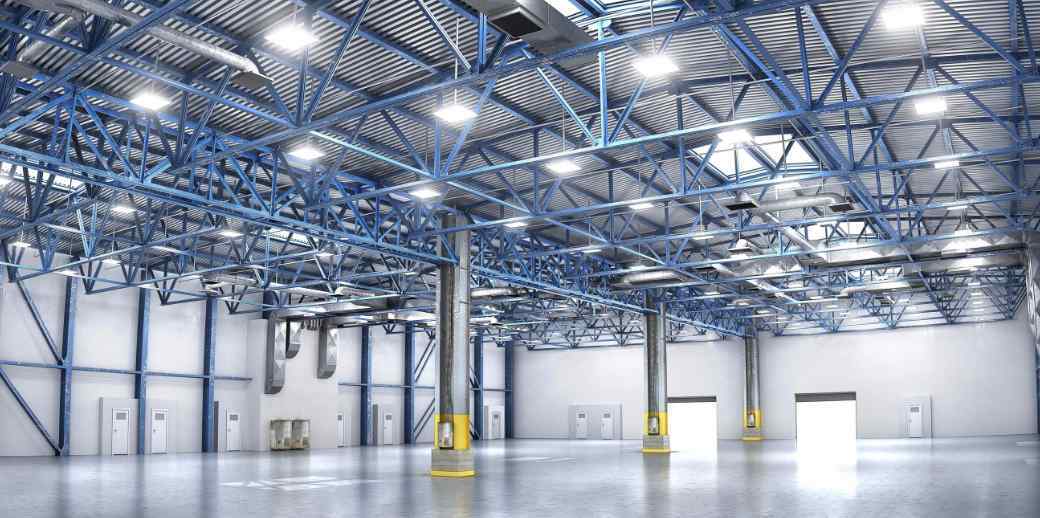
A warehouse may also benefit from LED fixtures that improve visibility for forklift operators and loading crews.
Longer fixture life helps maintenance teams spend less time replacing bulbs throughout the year.
Use Occupancy Sensors in Low-Traffic Areas
Many commercial spaces keep lights active even when rooms remain empty for hours.
Occupancy sensors solve that issue by automatically turning lights off when spaces are not in use. This upgrade works well in conference rooms, storage areas, break rooms, and restrooms.
A medical office may use occupancy sensors in consultation rooms that stay vacant between appointments.
Hotels can also reduce unnecessary power use in staff-only hallways and storage spaces.
Small changes like these can create noticeable savings across larger facilities.
Improve Natural Light Through Smart Controls
Natural sunlight can reduce daytime lighting costs when buildings use proper control systems.
Smart dimming technology adjusts indoor brightness based on available daylight instead of keeping lights at full intensity all day.
Office buildings with large windows may create more comfortable workspaces through daylight-responsive controls near seating areas.
Retail stores can also reduce glare near entrances while maintaining balanced brightness inside the property.
Better light balance improves customer comfort and supports a cleaner interior appearance.
Add Zoned Lighting Across Different Work Areas
Different parts of a commercial property rarely require identical lighting levels throughout the day.
Zoned lighting allows businesses to control sections independently instead of using full building brightness at all times.
Restaurants may lower lighting intensity during slower afternoon periods while maintaining brighter dining spaces during busy dinner hours.
Office buildings can also reduce power use in unused departments after standard work hours.
Commercial lighting control systems help property owners manage those adjustments more efficiently across larger buildings.
Smart Features That Improve Daily Lighting Performance
Modern lighting upgrades can support more than energy savings.
The right setup can improve comfort, reduce maintenance pressure, and help businesses manage lighting more efficiently across different workspaces.
- Motion sensors can reduce electricity use in low-traffic rooms
- Daylight controls help balance indoor brightness near windows
- Timers support automatic lighting schedules after business hours
- Remote access allows facility teams to adjust settings quickly
- Dimming controls improve comfort in offices and meeting rooms
- Utility rebates may reduce upfront upgrade costs for large projects
Careful feature selection helps commercial properties create better lighting performance while supporting long-term operational efficiency.
Lighting upgrades can improve efficiency, visibility, employee comfort, and customer experience across many commercial properties.
Practical upgrades such as LED fixtures, occupancy sensors, and zoned lighting create long-term value without major disruption.
A thoughtful lighting strategy helps commercial spaces stay safer, brighter, and more cost-effective for daily operations.