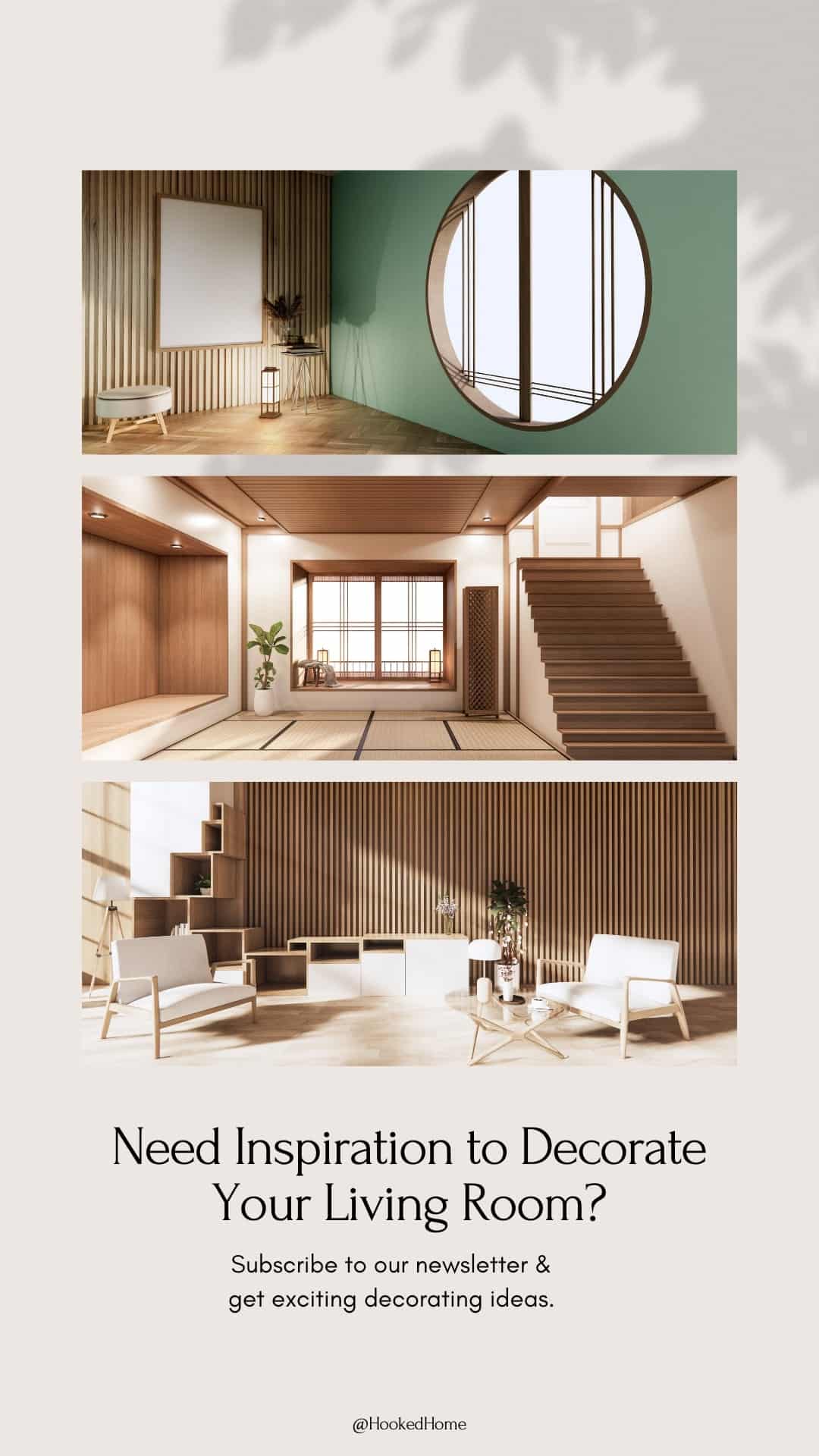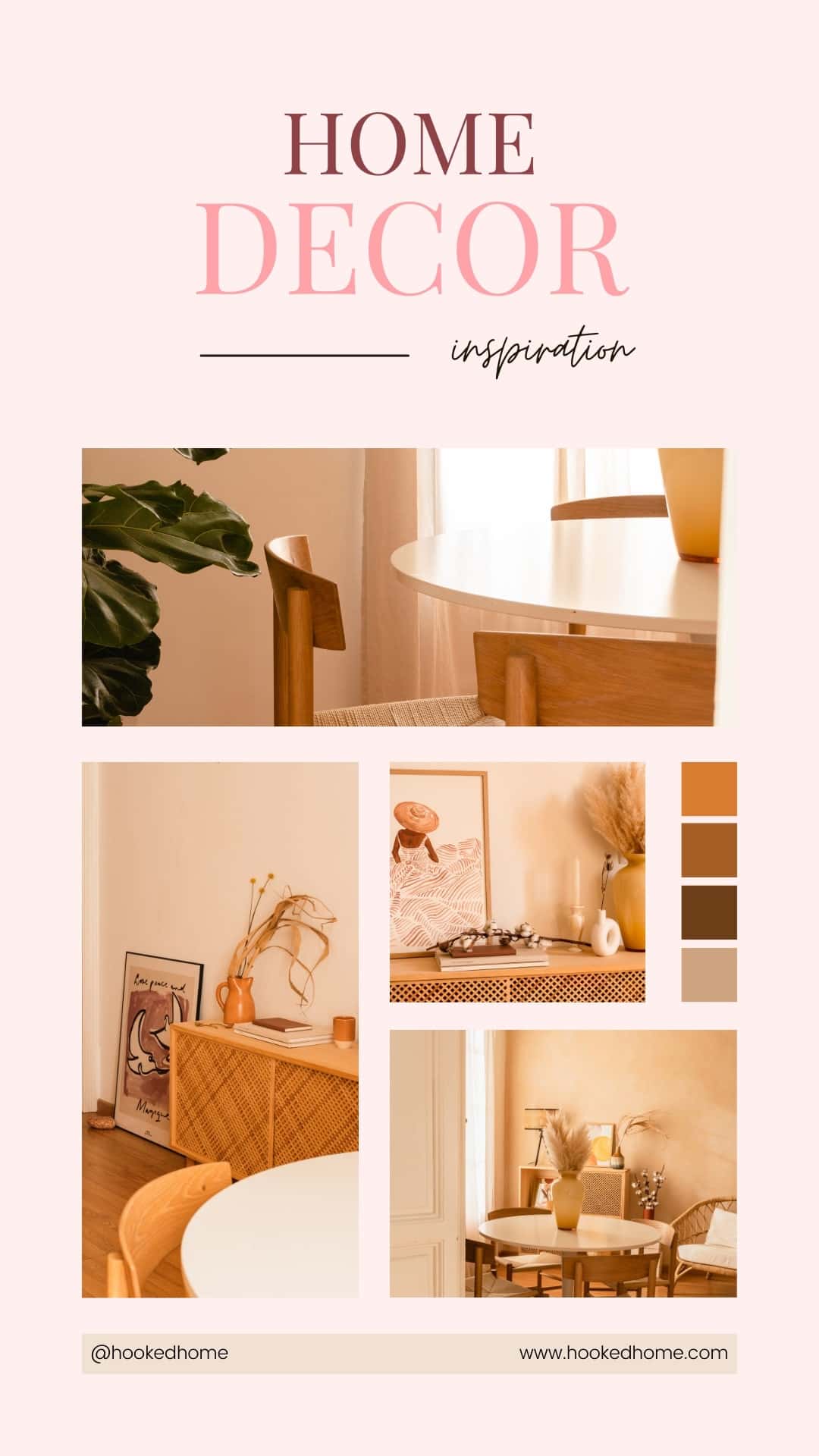

Most rentals greet you the same way: pale walls, a hard floor in some shade of almost-beige, a window doing its best, and the quiet sense that someone lived here before you and someone will after.
It is yours for now, but it does not feel like yours.
Closing that gap is the thing renters have gotten good at.
The look that defines 2026 is warm, layered, and full of light, the opposite of the cold white minimalism that ran for a decade. And the people pushing it hardest are not homeowners with permission to knock down walls.
They are renters, working inside the rules, making temporary spaces feel permanent in every way that counts except the lease. It starts with seeing why the look changed at all.
Why Renters Are Driving the 2026 Look
For about ten years, the aspirational apartment was white.
White walls, white sofa, a single trailing plant, maybe a tan leather pouf if things got wild. It photographed beautifully and felt like a waiting room.
That has turned over. The rooms people want now are warmer and more tactile.
Soft, sandy neutrals instead of stark white, a few honest materials like linen and wood and ceramic, and enough texture that a space feels lived-in rather than staged.
Designers have a slightly awkward name for it, intentional maximalism, but the idea is simple.
A few good pieces with a story beat a showroom full of matching nothing.
Here is why renters took to it faster than owners.
Every part of this look is movable. Layered textiles, a rug over the builder-grade floor, a stack of cushions, a throw on the sofa, all do the work that paint and built-ins used to do, except you can roll them up and take them to the next place.
Lighting has gone the same way. The pieces everyone wants in 2026 are portable and rechargeable, so you put light where the room needs it instead of where the landlord wired a socket.
There is a bigger shift underneath all of this. People rent for longer now, often by choice, sometimes for years before they buy, if they buy at all.
When a place is home for three or four years, temporary stops being an excuse to leave it half-finished. You commit to it. You just commit in ways you can undo.
That commitment starts with understanding what you are working with.
The Rental Blueprint: What You’re Working With
Here is the strange thing about modern rentals: they are nearly all the same apartment.
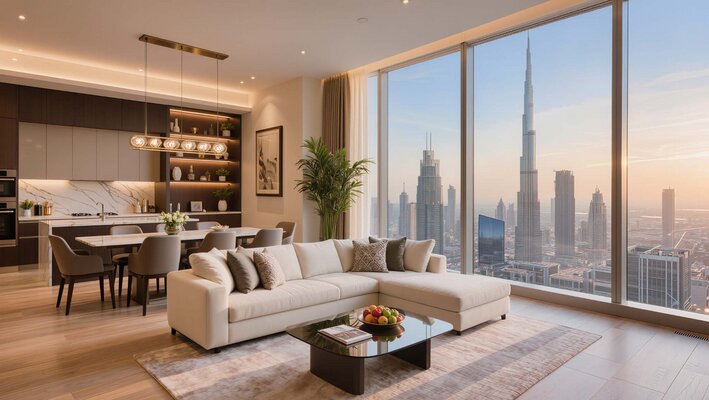
Open-plan living and dining poured into one space, a wall of glass, floors in pale marble-look tile or porcelain, built-in wardrobes you did not choose, and a palette picked to offend no one and excite no one.
Dubai is the clearest version of this.
It is one of the most standardized rental markets anywhere, building after building turning out the same efficient template, which makes the city a useful place to study the pattern.
Scroll through dubai apartments for rent and you will see it repeat almost unit to unit: the same open layouts, the same floor-to-ceiling windows, the same hard neutral floors, the same fitted storage.
Once you notice the template, you realize a single styling playbook can work across thousands of these places, which is exactly why the rest of this piece will.
Then there is the one rule that shapes everything a renter does.
In most leases, and explicitly under Dubai’s tenancy norms, you cannot paint or make structural changes without the landlord’s written sign-off, and your deposit depends on handing the place back the way you found it.
It sounds like a cage. It is closer to a creative brief.
Once you accept that nothing you do can be permanent, the decisions get easier, not harder, because half the options fall away and you are left with the ones that suit a rental: reversible, movable, yours.
That is the whole canvas. A near-identical white box, and a promise to leave it as you found it. Now for the fun part.
Inside Three Real Layouts
The bones are the same everywhere, but the way you live in them is not. Here are three layouts you will recognize, and what changes each one.
The Studio
A studio asks one hard question: how do you make a single room behave like several? The answer is rugs and light, not walls.
Put a rug under the bed and a different one under the sofa or the eating spot, and the eye reads two rooms where there is one.
A tall lamp or a couple of portable lights in the living zone, something lower and warmer by the bed, and the lighting draws the borders for you.
Then go up. Floor space is the thing you are short on, so style the walls and the verticals: a leaning shelf, art propped on a rail or hung with adhesive strips, a trailing plant from a high point.
Pick one piece to be the hero, a real chair, a good lamp, a rug you love, so the room reads as a choice rather than a compromise. Everything else can stay quiet around it.
The One-Bedroom
The one-bedroom is where the big window stops being a brochure feature and starts being a daily problem.
All that glass means glare in the afternoon and a room that bakes if you let it. The fix is layers at the window: a sheer to soften the light during the day, a heavier curtain you can pull when the sun drops low.
Both hang off a tension rod or a bracket that comes down clean at move-out, no permanent track required.
Inside, the enemy is the hard, cool surface. Tile floors and an air conditioner running most of the year make a room feel like a nice fridge.
Warmth is the job. One large rug does more than any other single move, anchoring the open-plan living area and taking the chill off underfoot.
Add a throw, a couple of textured cushions, and a wood or rattan piece to break up all the smooth stone and glass.
One local caution: keep cheap engineered-wood pieces out of the direct path of the balcony doors, where summer humidity creeps in and warps them over a season. For color, reach for the textiles, not a paintbrush.
A rust cushion or a deep green throw gives you the accent wall you are not allowed to paint.
The Shared or Two-Bedroom
Sharing changes the math. The common areas belong to everyone, which usually means they belong to no one and end up bare.
Claim them gently. A rug and a lamp in the living room read as care, not territory, and tend to make a shared space feel handled.
Keep the personality concentrated in your own room, where you can go further without negotiating.
Buy for the move, not just the apartment.
Modular furniture that comes apart, pieces light enough to carry, a bed frame that fits through a standard door, all of it saves you the most common rental heartbreak: the sofa that will not fit in the lift.
Measure the door, the hallway, and the lift before you buy anything large. Every renter learns this once, usually the hard way.
Across all three, the moves rhyme, and they share one thing that pulls a rental together faster than anything else: the palette.
The 2026 Palette: Warm, Layered, Light-Filled
If there is one change to make across any of these layouts, it is to drop cold white and move warm.
Cold white looked crisp in a magazine and looks clinical in a real room, especially one with hard floors and a lot of glass bouncing light around. Warm neutrals do the opposite.
Bone, sand, oat, soft taupe: they catch the light and hand it back soft, and a room built on them feels calm instead of sterile.
From there the recipe is short. Start with the warm neutral base.
Add one or two muted earth tones, dusty sage, olive, a warm grey, on the larger soft pieces like a sofa throw or the rug. Then allow yourself a single real accent, terracotta or rust or a deep blue, in small doses: a cushion, a vase, the spine of a stack of books.
Keep texture in the mix the whole way through, linen and cotton and a little ceramic and wood, so the palette has something to touch and never goes flat.
In a Dubai rental you can ground the look with a light local accent without turning it into a theme.
A cushion with a simple geometric pattern, a rechargeable lamp shaped like a lantern, a small warm-metal tray on the coffee table.
A few notes like that root the room in where it is. More than a few and it reads like a hotel lobby, so keep a light hand.
None of this needs paint, which is the point. The color lives in things you brought and things you can take.
The best rentals in 2026 are not the ones pretending they are owned.
They are the ones layered with enough warmth, light, and personal weight that the question never comes up. The lease has an end date. The way the place feels when you walk in at night does not have to.
A Few Common Questions
Yes, as long as you stay reversible. Adhesive hooks and strips, peel-and-stick panels, freestanding furniture, and layered rugs all come out clean at move-out. Photograph the place the day you move in so the condition is on record.
Let the textiles and objects carry it. Rugs, curtains, cushions, and art leaned against the wall rather than hung give you all the color of an accent wall with none of the risk. Peel-and-stick can handle one feature zone if you want more.
The hard, cool surfaces and the big glare-prone windows. Both come down to the same two tools: layered textiles for warmth and adjustable lighting for control.