

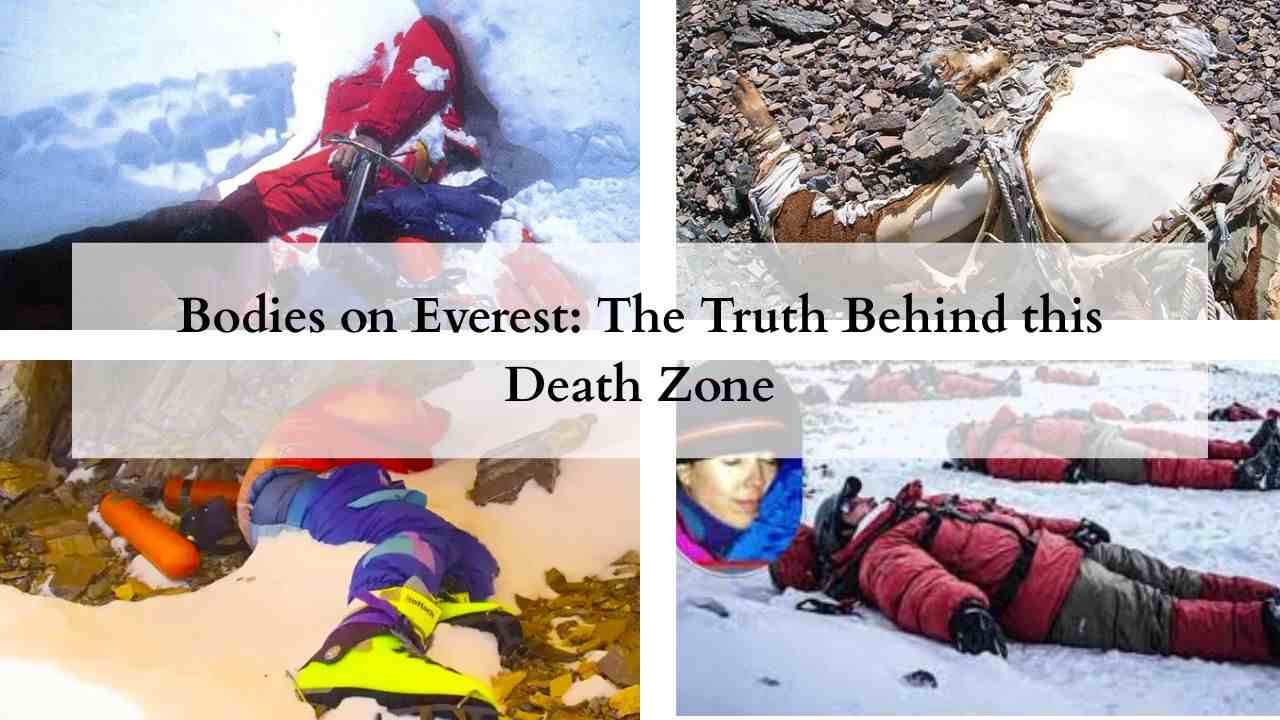
Mount Everest tall at 29,031 feet, towering over the Nepal-Tibet border.
Every year, many climbers attempt to reach its summit, drawn by the challenge of standing on top of the world.
But beneath the glory and adventure lies a grim reality, the mountain has bodies on Everest.
This peak isn’t only beautiful but it’s deadly. The harsh weather, thin air, and treacherous terrain took over 320 lives.
Many of those who die on Everest stay there. The mountain keeps its victims frozen in time.
Retrieving a body from Everest can cost $200,000 and requires 8-10 Sherpas to risk their lives.
The altitude makes helicopter rescues impossible, and bodies are frozen into the ice which requires drills and ice axes to free them.
Here in this post, we’re going to look at the truth about the bodies on Everest.
We’ll explain what makes the “death zone” deadly, how many climbers have perished there, and share stories of the well-known bodies that have become landmarks on climbing routes.
The Reality of Everest “Death Zone”
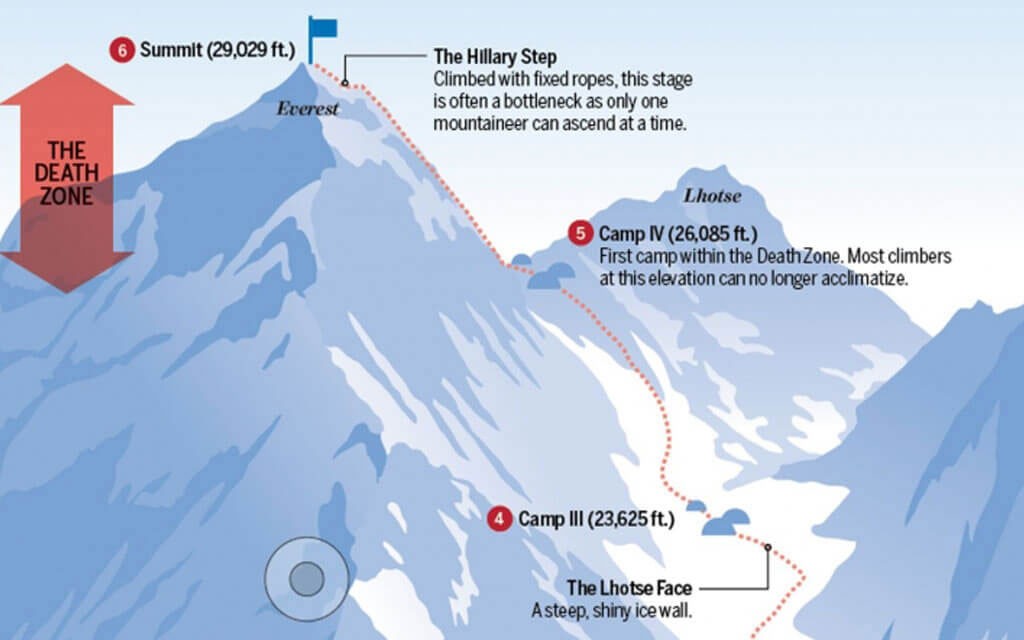
The death zone starts above 8,000 meters.
At this height, the air contains only 1/3 the oxygen found at sea level.
According to records from multiple climbing expeditions, your body starts dying after a few hours.
When you enter the death zone, bad things happen.
Your brain swells from lack of oxygen, or your lungs fill with fluid.
The temperature can drop to -40° F, and winds can hit 100+ mph.
Many climbers die from exhaustion because they can’t move fast.
It sounds cruel to leave them, but trying to move a frozen body from Everest is dangerous.
According to reports from professional rescue teams, it takes up to 10 strong Sherpas to carry one body, and they all need oxygen tanks and face the same risks.
There’s also this climbing culture thing, many seasoned climbers request to be left on the mountain if they die.
They knew the risks going in, and for some, there’s something fitting about the remaining part of the mountain.
How many bodies are on Everest?
The count is hard to nail down, but climbing experts estimate over 200 bodies remain on Everest.
Some are buried under snow and ice, while others lie in plain view along routes. CBS News reported in 2023 that climate change is causing bodies to emerge as glaciers melt.
Green Boots
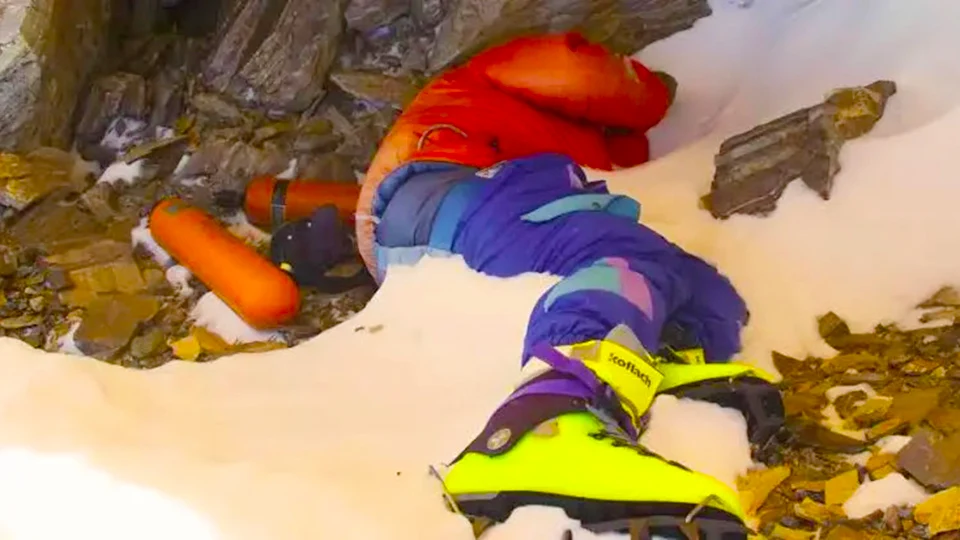
The most famous body on Everest belongs to Indian climber Tsewang Paljor, though some experts debate this identification.
Climbers nicknamed him “Green Boots” because of his bright green climbing boots that stick out from a small cave on the Northeast Ridge route. Almost everyone climbing from the north side passed Green Boots.
He’s been a landmark since his death in 1996.
Some climbers reported using him as a trail marker, which feels creepy but shows how matter-of-fact death becomes.
Sleeping Beauty
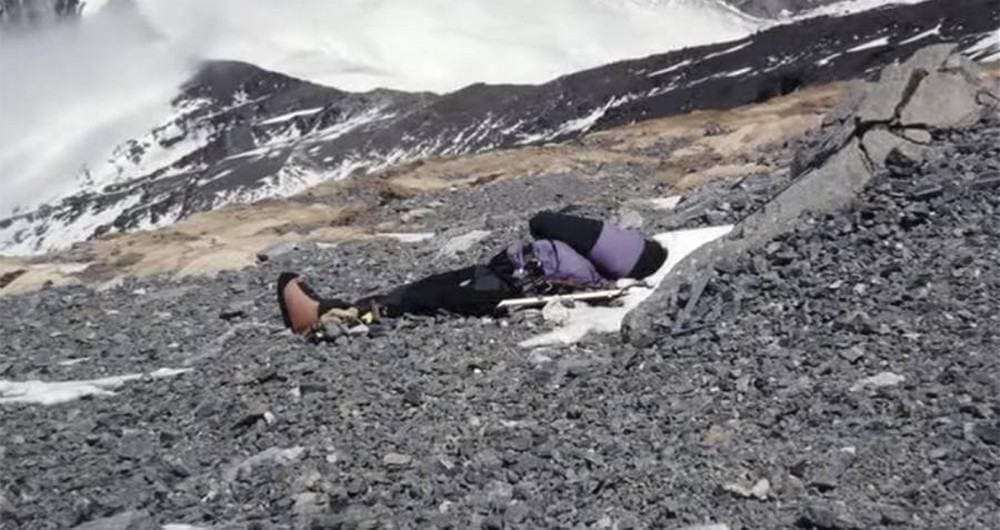
Francys Arsentiev has this sad nickname because of how peaceful she looked.
She died in 1998 after becoming the first American woman to reach the summit without supplemental oxygen.
But she paid the price on the descent and her husband died trying to save her.
According to climbers who passed her before she died, she was conscious and said, “Don’t leave me.” Those words haunted many in the community, and in 2007, climbers moved her body away from the trail.
George Mallory
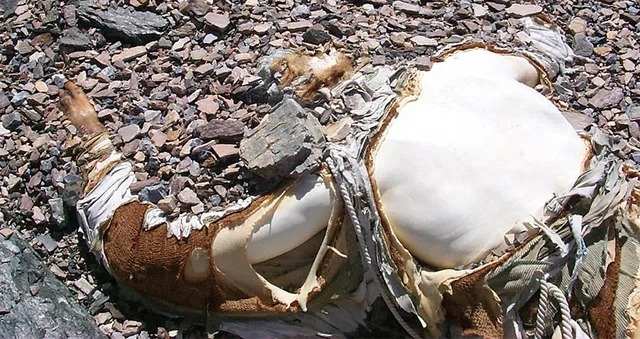
George Mallory disappeared on Everest in 1924, and no one knew what happened to him until 1999 when climbers found his body 75 years later.
He was trying to be the first person to reach the summit, and we don’t know if he made it before he died.
When they found his body, it was well-preserved.
According to the team that discovered him, his skin was white, and his clothes were intact.
They left his body there but covered it with rocks.
Scott Fischer
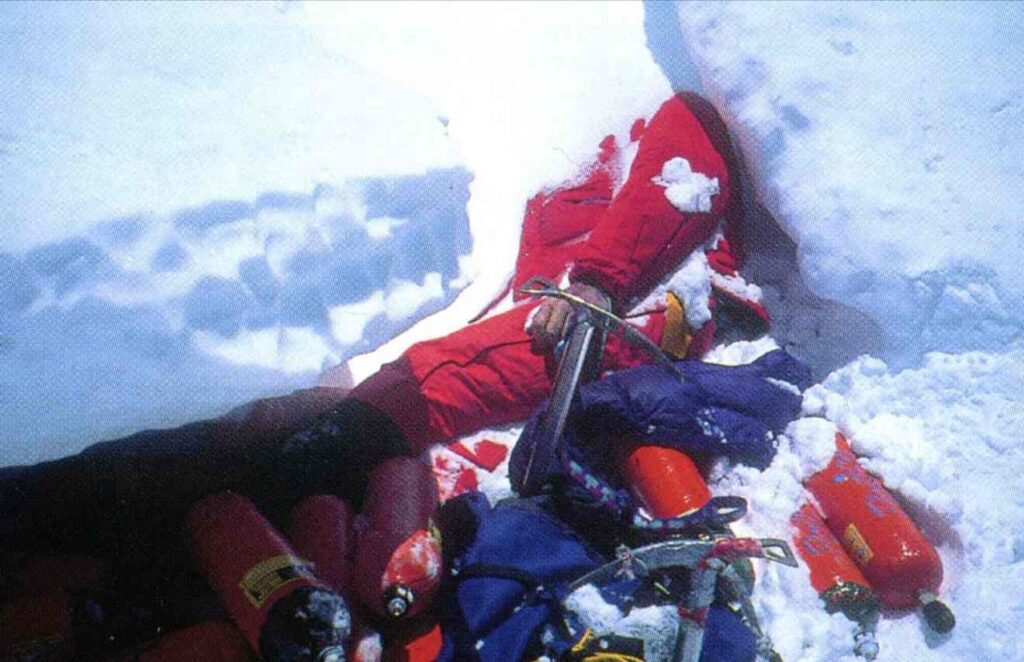
Scott Fischer was an experienced guide who died during the infamous 1996 disaster.
His body rested on the mountain for years in the same position, looking like he was taking a break.
Many climbers reported seeing him along the route until 2017, when reports suggest his body finally slid or was moved away from the main trail.
David Sharp
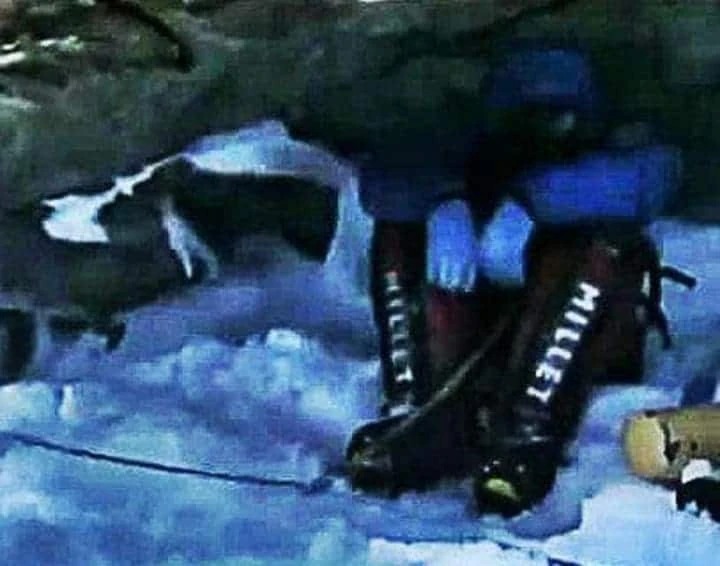
David Sharp’s 2006 death caused debate in the climbing world.
He was dying in Green Boots’ cave while around 40 climbers passed him by without helping. According to climbing experts interviewed by the BBC, many climbers are so focused on their own survival that they can’t help others without risking death.
His story raised questions about climbing ethics.
Hannelore Schmatz
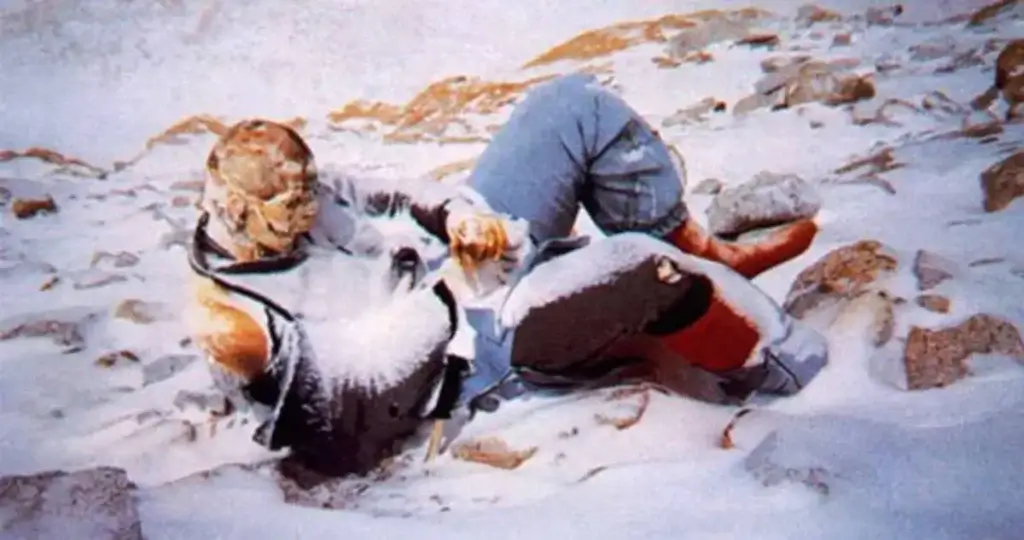
German climber Hannelore Schmatz died in 1979 after reaching the summit.
Her body sat propped against her backpack near a main route for years, with her eyes open and hair blowing in the wind.
Climbers reported that it seemed like she was watching them pass.
Her story gets shared as a warning about the dangers of the descent, statistics show deaths happen on the down road.
Rob Hall
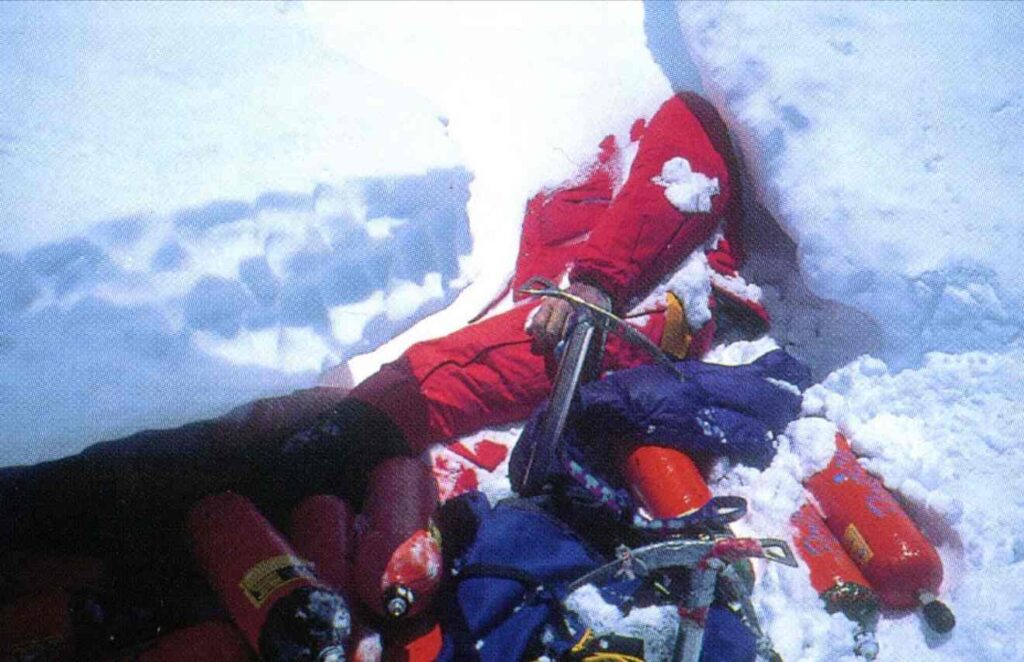
Rob Hall was another guide who died in the 1996 disaster.
His final radio call to his pregnant wife back home is one of the heartbreaking stories from Everest.
According to his team members, he stayed with his dying client instead of saving himself. His body remains high on the South Summit.
In 2015, the movie “Everest” told his story, bringing attention to the guide’s face when trying to help clients.
Shriya Shah-Klorfine
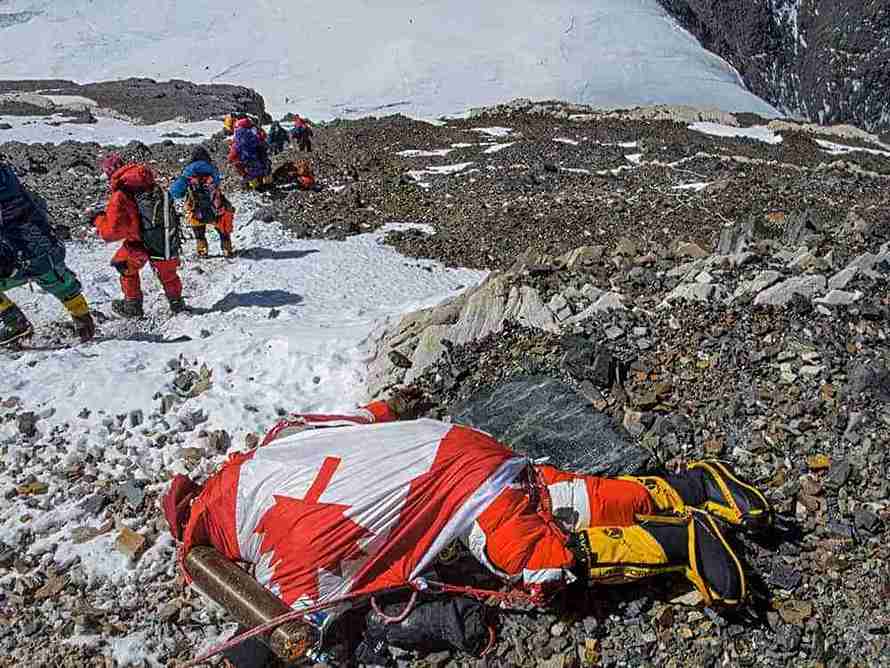
One of the recent well-known deaths, Canadian Shriya Shah-Klorfine died in 2012 during her descent.
According to her Sherpa team, she refused to turn around despite their warnings about her slow pace and deteriorating condition.
Her family spent over $30,000 to have her body recovered and brought down to Camp 2.
Are dead bodies on Everest preserved?
The extreme cold works like a natural freezer. According to scientific reports, bodies from the 1920s have been found looking fresh decades later.
The freezing temperatures slow decomposition to a crawl.
Some climbers look like they’re taking a nap.
Their skin might be darkened from sun exposure, but they remain intact.
According to Ultimate Kilimanjaro, a mountain guiding service, “Many bodies still have skin, hair, and clothing intact, despite being 50+ years old.”
Climate change is changing this picture though.
According to reports from the Nepali government, rising temperatures are melting ice that has bodies for decades.
Expedition teams are finding remains emerging from the ice.
Some families have taken advantage of this melt to recover loved ones who were inaccessible.
The Nepali government has also been working on efforts, with teams removing bodies when possible, though they focus on removing trash.
Conclusion
Mount Everest isn’t only a mountain but it’s a cemetery where many dreams ended.
Each body tells a story of ambition, determination, and the power of nature. Some became famous landmarks, guiding other climbers along routes.
What is hard about this topic is that people who died on Everest were skilled and prepared.
They weren’t reckless thrill-seekers, they were experienced climbers who got caught by the mountain’s dangers.
The bodies on Everest are reminders that no matter how advanced our gear gets or how much we train, nature has the say on who succeeds and who doesn’t.
And while it looks disrespectful to leave the dead on the mountain.