
Cork boards are simple like you pin stuff on them. But then you start looking for them and there are numbers there too.
12.8/7.2 cork board specifications come up and you’re thinking if you are in a math test.
The dimensions, thickness, formats, it gets confused. These numbers matter because picking the wrong size means either wasting wall space or ending up with a board which is too small.
Here’s the thing about the 12.8/7.2 spec. It helps you match the right cork board to your space.
Whether you’re setting up an office wall, upgrading a classroom, or trying to organize your life at home, knowing what these measurements are best for your space.
So we’re breaking down what 12.8/7.2 cork board mean, the features that make it useful, different types you can buy, where to use them, how to install one without getting confused, and the pros and cons.
What Is A 12.8/7.2 Cork Board?
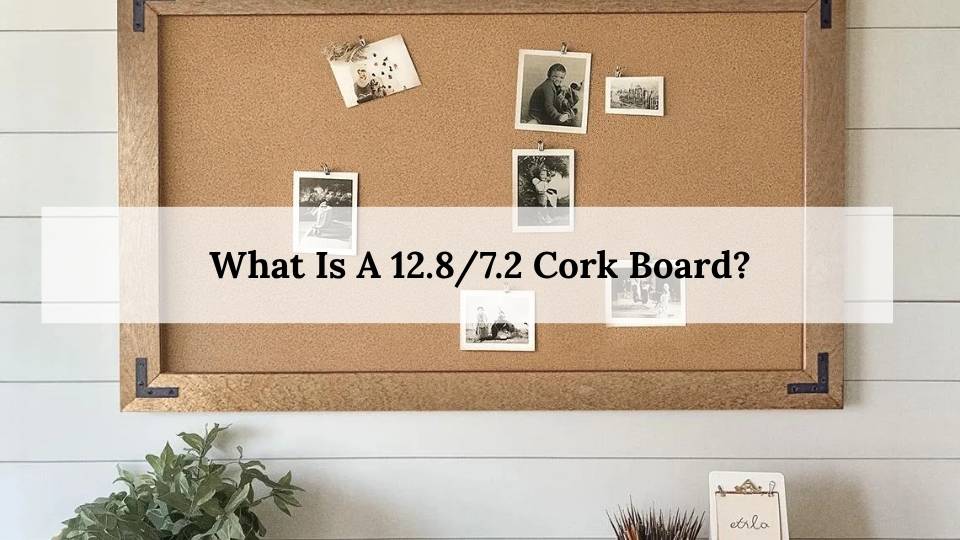
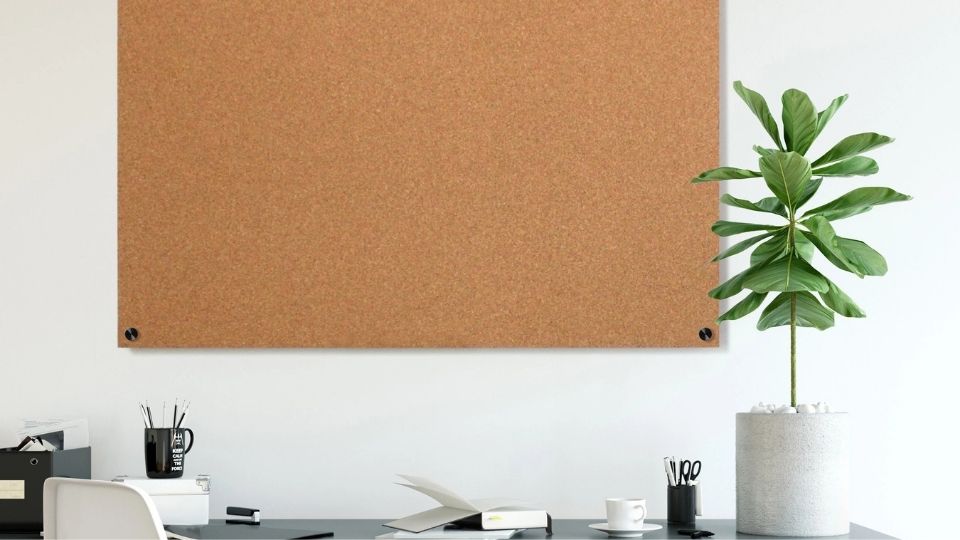
A cork board is a surface made from natural cork material where you can pin notes, photos, reminders and anything.
The 12.8/7.2 measurement refers to dimensions in inches or a ratio format, helping you understand the size or proportion of the board.
Some manufacturers use these numbers as custom dimension references while others use them as aspect ratios for panel sizing.
Cork itself comes from cork oak tree bark. It’s a renewable resource because the bark regrows after harvest, which is cool.
According to Wolf-Gordon’s product specifications, standard cork boards used for bulletin purposes are around 1/4 inch thick, which gives you the right balance between durability and functionality.
Sizes vary WIDELY. You can find small framed boards for home use or massive wall-covering panels for commercial spaces.
The 12.8/7.2 format indicates large panel sizes suitable for covering significant wall areas in offices, schools, or creative studios.
Key Features Of Cork Board
Cork boards aren’t only brown walls you put in with pins.
They have some solid features that make them worth having.
Let’s talk about what makes them work.
Thick and Durable
That 1/4 inch thickness isn’t random. It’s thick to hold pins securely without them falling when someone walks by.
Wolf-Gordon’s bulletin board cork uses this standard thickness because it’s proven to last through repeated pinning without falling apart.
Self-Healing
When you pull a pin out, the cork material closes back up over time. The holes don’t stay gaping open.
It’s because cork is flexible and dense to spring back. You won’t end up with a board that looks like Swiss cheese after some time.
Sound Absorption
Cork naturally absorbs sound. Not to turn your room into a recording studio, but it does help reduce echo and noise, especially in busy offices or classrooms.
It’s a good feature you don’t always think about until you notice how quiet a room feels.
Eco-Friendly
Cork is harvested without killing trees. The bark regrows and trees can be harvested after some years.
If you’re trying to make green choices or your workplace cares about sustainability, cork is the best to go with.
It’s renewable and contributes to LEED certification for commercial buildings.
Different Types Of Cork Boards
Not all cork boards look or install the same way.
Depending on your space and how permanent you want things, you’ve got options.
So, look at the different types of boards you can consider for your space.
Wall Mounted
These are the big panels that get mounted directly to your wall, covering large sections.
They’re common in commercial spaces where you need much pinning surface.
Installation requires proper mounting hardware and sometimes professional help if you’re going with an entire wall.
Framed Boards
Your classic bulletin board with a wood or metal frame around the edges.
These come in many sizes and are the easiest to install, you only need to hang them like a picture.
Perfect for home offices or small workspace areas where you want something that looks finished and tidy.
Adhesive Tiles and Panels
Modern and DIY-friendly. These cork tiles have adhesive backing so you can stick them directly to your wall without drilling.
You can arrange them in custom patterns or cover part of a wall.
Coloray Decor offers these in various designs, and some with printed graphics if you want decorative options beyond plain cork.
Bulletin Board
The traditional style, framed and freestanding or wall-hung. These are what you picture in school hallways.
They’re functional, no-nonsense, and get the job done. Available in every size imaginable.
Where To Use 12.8/7.2 Cork Board? Popular Areas
Cork boards work in more places than you’d think. They’re not only for offices anymore.
So, let’s go and see where these boards can be placed and where it will look good and how it will help you.
Office and Workspace
This is the most common spot. Pin meeting notes, project timelines, team schedules or anything that keeps work visible and organized.
According to design trends on platforms like Unsplash, modern offices are using oversized cork panels as both functional and aesthetic wall features.
Home Workspace
With more people working from home, cork boards are showing up in home offices like crazy.
They help separate work mode from living space. Also, pinning up your to-do list means you see it instead of losing it in a notebook.
Kitchen
Recipe cards, grocery lists, school permission slips, the random stuff that needs to be seen.
A small cork board in the kitchen acts as command central for family organization. They are better than magnets falling off the fridge.
Bedrooms
Vision boards, photo displays, inspiration for projects.
Cork boards in bedrooms become personal expression spaces.
It’s like a physical Pinterest board you can touch.
Classrooms
Schools have used cork boards forever and for good reason.
Student work displays, classroom rules, educational posters, all the things teachers need visible.
The self-healing feature matters here because classroom boards take abuse.
Crafts and DIY
Crafters love cork boards for planning projects, organizing patterns, or displaying works in progress.
The pinning surface makes it easy to arrange and rearrange without commitment.
How To Install a 12.8/7.2 Cork Board? Step-By-Step
Installation depends on your board type but here’s the general process. It’s not that much difficult but doing it right matters.
For adhesive tiles: Clean your wall thoroughly. Any dust or grease will mess up the stick.
Peel backing, press firmly starting from one edge, smooth out bubbles as you go. Let it set for 24 hours before pinning anything.
For framed boards: Find your studs if it’s a heavy board. Use appropriate wall anchors if you’re not hitting studs.
Level it before drilling, nobody wants a crooked board staring at them daily. Hang using the mounting hardware that came with it.
For large panels: This may need two people. Mark your layout on the wall first.
Use construction adhesive or mounting brackets depending on the panel type. Work from bottom to top gives better results.
Maintenance tips: Wipe cork down occasionally with a barely damp cloth.
Don’t soak it, cork and water aren’t friends. Rotate where you pin things so you don’t wear out the same spots.
Pros and Cons of a Cork Board
Let’s be honest about what works and what doesn’t.
Pros:
- Organizes your chaos visibly
- Self-healing surface lasts longer
- Natural material looks warm and not too corporate
- Reduces noise as a great feature
- Easy to use, everyone knows how to use a pushpin
- Eco-friendly choice if that matters to you
- Available in many sizes and styles
- Works in any room
Cons:
- Cork color is limited, you’re getting brown in various shades
- Can look dated if you pick an old-school style
- Large panels can be pricey
- Not great if you live somewhere humid, cork can warp
- Adhesive types are semi-permanent, taking them down damage paint
- Small boards fill up FAST if you’re an over-pinner
- Dust shows up on the texture more than on smooth walls
Conclusion
Cork boards aren’t exciting until you need one and they become that simple tool that works.
The 12.8/7.2 cork board specification helps you understand sizing so you’re not confused when you order.
Whether you go with a massive wall panel, a tidy framed board, or modern adhesive tiles depends on your space and how much you need to pin up.
The features matter. The self-healing surface means your board doesn’t look destroyed.
The sound absorption is a quiet benefit that makes spaces feel better.
The eco-friendly angle is a bonus if you care about material sourcing.
Installation is manageable for most types. Adhesive tiles are almost too easy, you only have to stick.
Framed boards are basic hanging and also large panels aren’t bad if you plan it. Cork boards are not perfect.
They come in limited colors, some styles look like 1997, and they’re not cheap.