

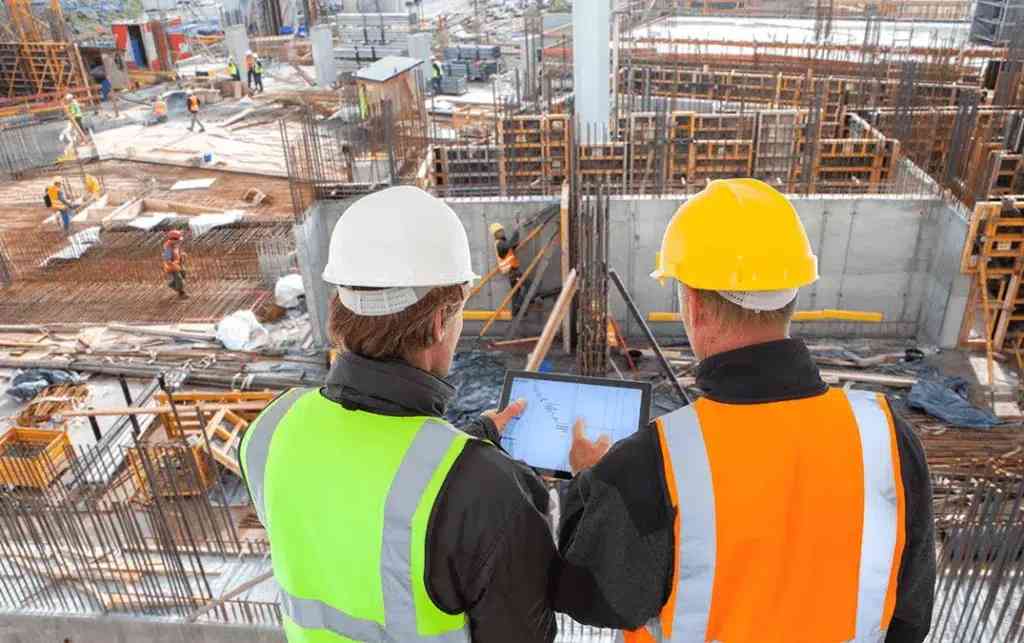
Site safety must be a top priority for every US construction company.
Construction sites are inherently dangerous, so you want to take steps to reduce risks, address hazards, and ensure safety to prevent avoidable accidents and injuries.
This is important in terms of creating a safe work environment for staff and compliance with health and safety regulations.
This post will explore the main ways construction companies can improve onsite safety. Keep reading to find out more.
Strengthening Safety Through OSHA Aligned Training Programs
US construction firms are increasingly following OSHA-recommended training programs that help workers identify, prevent, and control workplace hazards. These proactive approaches boost safety culture, improve communication, and reduce incidents across diverse and evolving job sites.
This also helps to create a strong safety culture where workers are confident in reporting dangers and safety is at the forefront of people’s minds at all times.
Sustainable Building Practices Supporting Safer Work Environments
Construction companies are also implementing green construction strategies, which can both reduce the environmental impact of projects and enhance worker well-being.
Sustainable building design lowers exposure risks, improves site efficiency, and supports long-term health by integrating safety into every project stage, from design to demolition.
Technology-Driven Hazard Prevention in Modern Construction
These days, technology can play a key role in enhancing onsite safety. This is with the use of advanced monitoring tools, site automation for dangerous tasks, and industrial controls used in safety systems to help teams reduce fall risks, equipment incidents, and exposure hazards.
When sensors and connected controls flag unsafe conditions in real time, supervisors can respond faster, isolate equipment where needed, and keep site operations safe and even under demanding site conditions.
Adapting to Evolving OSHA Regulations for Sustainable Safety
Updated OSHA standards guide US construction firms in key areas, including how to reduce injuries, manage environmental risks, and maintain compliance.
This is why it is vital that construction companies stay current with evolving regulations supporting safer, more sustainable job sites, and help companies avoid costly delays and violations.
OSHA regularly updates its standards to reflect new risks, industry practices, and technologies, so firms need to adopt a long-term view and remain flexible when it comes to sustainable safety.
Safety must always be a top priority for US construction firms.
Construction is an inherently hazardous industry, but there are clear steps that construction companies can take to reduce risk and improve site safety.
This should prevent avoidable accidents and injuries while giving your team the confidence to carry out their work safely each day and enhance overall site efficiency.