

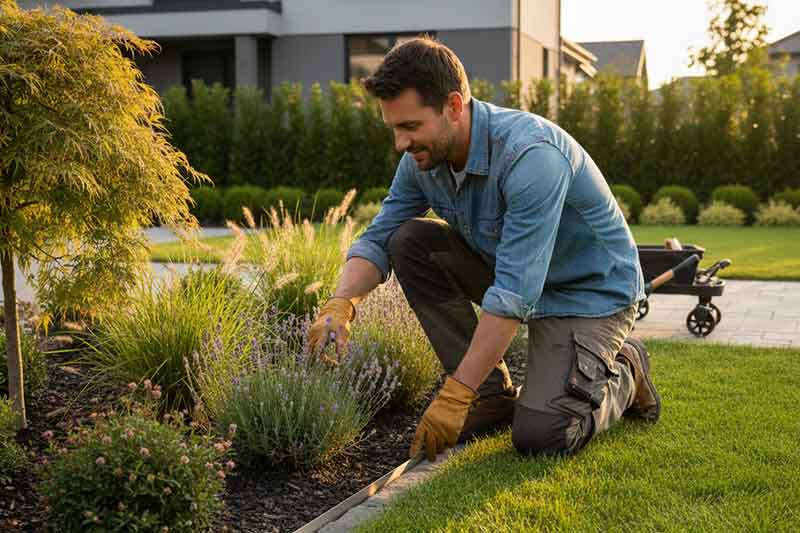
When it comes to landscaping or hardscaping projects, many homeowners focus on the fun parts.
Choosing colorful plants, designing a patio, or picking decorative features can be exciting and inspiring. It is easy to get caught up in what the finished space will look like.
However, before any planting or construction begins, proper land preparation is essential.
The foundation of a successful outdoor project starts with understanding your land, preparing the soil, clearing the area, and making sure the grading and drainage are correct.
In this article, we will look at why these steps matter, how they affect the outcome of your project, and when it might be a good idea to get professional help.
You can ensure that your landscaping maintenance or hardscaping efforts last longer and look their best by focusing on the groundwork first.
Understanding Your Land
It is important to understand the land you are working with before starting any outdoor project.
The slope of your property, the way water drains, and the type of soil all play a big role in how well your landscaping or hardscaping will perform.
Poor soil or uneven land can cause several problems. Plants may struggle to grow if the soil does not drain properly or lacks nutrients.
Water can pool in low spots, leading to erosion or damage to patios, walkways, and retaining walls.
Hardscaping features may also shift or crack over time if the ground beneath them is unstable.
Homeowners can do some simple assessments on their own.
Walk the property after a rain to see where water collects, check for areas that stay soggy, and look at the general slope of your yard.
Digging a small hole and examining the soil can also help you understand whether it is sandy, clay-heavy, or a mix, which affects planting and grading decisions.
Taking the time to observe these factors early can prevent bigger problems later in your project.
The Importance of Land Clearing
Clearing the land before any project ensures a smooth foundation for landscaping or hardscaping.
Removing rocks, stumps, and overgrown vegetation prevents obstacles that could interfere with installation and long-term stability.
Proper clearing also reduces future issues, such as unwanted plant growth that could disrupt hardscaping features or drainage.
Additionally, a well-prepared site improves safety by minimizing hidden hazards for anyone working on the property.
Grading and Drainage
Proper grading is one of the most important steps before starting any landscaping or hardscaping project.
It ensures that water moves away from your home and outdoor features, preventing erosion, pooling, and long-term damage to patios, walkways, and retaining walls.
Even small slope adjustments can make a noticeable difference in how well your outdoor spaces perform. Here are key points to consider:
- Slope direction: The land should slope away from structures at a gentle angle, usually about 1 inch per foot, to guide water safely toward drainage areas.
- Even flow: Avoid flat spots or depressions where water can collect. Uneven terrain can weaken hardscaping foundations over time.
- Check drainage patterns: Observe the property after a rainstorm to see where water naturally gathers or flows. This helps identify areas that may need regrading or added drainage solutions.
- Integration with landscaping: Consider how grading interacts with garden beds, lawns, and outdoor structures. Proper grading can enhance plant growth by preventing waterlogging and soil erosion.
DIY vs. Professional Grading
For small yards or gentle slopes, homeowners can use tools like shovels, rakes, and hand tampers to smooth uneven areas and direct water flow.
Simple berms or swales can help redirect water without major excavation.
Large lots, steep terrain, or areas prone to erosion often require heavy equipment and technical expertise.
Working with experts like Paragon Land Pros can ensure the slope is precise, stable, and compliant with local regulations.
This professional guidance helps prevent costly problems and sets a solid foundation for all future outdoor projects.
Soil Preparation and Improvement
The quality of your soil is one of the most important factors in a successful landscaping or gardening project.
Soil affects how well plants grow, how lush your lawn becomes, and how stable garden beds or other outdoor features remain over time.
Neglecting soil preparation can lead to poor plant health, uneven turf, and drainage issues that can impact hardscaping features.
Ways to Improve Your Soil
- Add topsoil: Fresh topsoil provides a nutrient-rich layer for lawns, flower beds, and vegetable gardens. It can help level uneven areas and create a solid base for planting.
- Incorporate compost or soil amendments: Organic materials like compost, peat moss, or aged manure improve soil structure, increase fertility, and enhance water retention. This is especially important for heavy clay or sandy soils that drain poorly or dry out too quickly.
- Adjust soil pH if needed: Different plants thrive in different soil pH levels. Testing your soil and making small adjustments with lime or sulfur can create the ideal environment for healthy growth.
- Mulching: Applying mulch after planting helps retain moisture, regulate soil temperature, and reduce weed growth, giving plants a stronger start.
Compaction and Aeration
- Soil can become compacted over time, especially in areas with foot traffic or heavy equipment use. Compacted soil makes it difficult for roots to grow and limits water penetration.
- Aerating the soil with a garden fork or mechanical aerator loosens compacted areas, improves oxygen flow, and encourages healthy root development.
- Proper aeration before planting or installing hardscaping features creates a stable base and helps prevent settling or uneven surfaces in the future.
Investing time in soil preparation ensures that your landscaping and garden projects have a strong and long-lasting foundation.
Healthy soil supports thriving plants, a durable lawn, and outdoor features that remain stable and visually appealing for years to come.
Endnote
Proper land preparation is the foundation of any successful landscaping or hardscaping project.
From assessing your property and clearing debris to grading, drainage, and improving the soil, the groundwork sets the stage for all future outdoor improvements.
Homeowners should plan the land prep carefully before adding plants, patios, or other features.
Whether you choose to handle minor tasks yourself or work with professionals, taking the time to prepare the land properly can prevent problems, reduce maintenance, and ensure long-lasting results.