

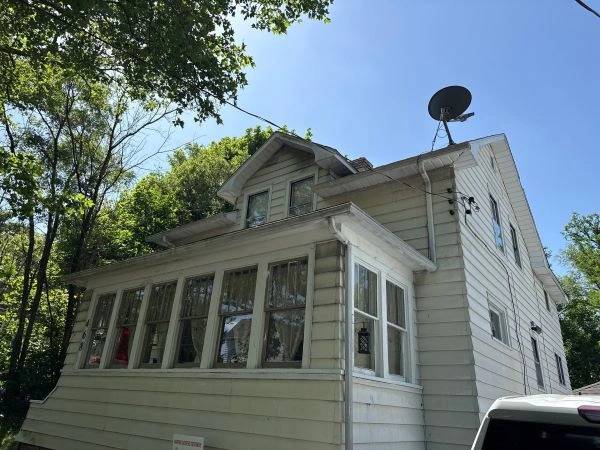
Choosing the right roof matters more than most people think, especially when it comes to St. Louis roofing.
The city sees everything from heavy rain to snow and strong winds, so your roof needs to handle all of it. Working with a highly reviewed roofing company can help you make the right call early.
Some roofs drain water fast, while others need extra care. Picking the wrong type can lead to leaks, damage, and higher repair costs over time.
What Is a Flat Roof?
A flat roof isn’t completely flat. In St. Louis roofing, it’s built with a slight slope so water can drain, just more slowly than a sloped roof.
These roofs are common on commercial buildings and modern homes, using materials like TPO or EPDM for waterproofing.
They are simple in design, usually more affordable to install, and easier to access for repairs or equipment like HVAC systems.
Some property owners even use the space as a rooftop area.
However, flat roofs can be challenging in St. Louis roofing due to harsh weather.
Water, snow, and ice tend to sit longer, increasing the risk of pooling, leaks, and structural stress. That’s why regular maintenance is important, as small issues can quickly turn into costly damage if not addressed early.
What Is a Sloped Roof?
A sloped roof has a visible angle, making it one of the most common styles in St. Louis roofing.
The slope helps rain and snow slide off quickly, reducing water buildup and weather damage.
Materials like asphalt shingles and metal roofing are popular choices. This design is known for long-term performance, better airflow, and fewer maintenance issues, which is why many homeowners prefer it.
However, sloped roofs can cost more to install due to added materials and labor.
Repairs and inspections are also harder because of the steep angle. Unlike flat roofs, the space cannot be used for anything functional, which may be a drawback for some property owners.
How St. Louis Weather Impacts Roof Performance
Weather plays a big role in how different roofs perform in St. Louis roofing.
Heavy rain can cause flat roofs to collect water if drainage is not perfect. Snow and ice may sit longer, increasing pressure.
Sloped roofs handle these conditions better by letting water and snow slide off.
However, strong winds can affect sloped roofs if materials are not secured properly. Understanding local weather helps you choose a roof that will last longer.
Cost Comparison: Flat vs Sloped Roofs
Cost is often one of the biggest factors in St. Louis roofing decisions.
Flat roofs usually have a lower upfront cost, making them appealing for tighter budgets.
However, they may require more repairs over time. Sloped roofs cost more at the start but often last longer and need less maintenance.
When choosing between the two, it helps to think long term. Spending more upfront can sometimes save money by avoiding frequent repairs later.
Maintenance Differences You Should Know
Maintenance is very different depending on the type of roof in St. Louis roofing.
Flat roofs need regular checks to make sure water is draining properly and no cracks are forming.
Drains may need cleaning often. Sloped roofs require less frequent maintenance, but shingles can still get damaged and need replacement.
Gutters also need to be cleaned to keep water flowing. Overall, flat roofs need more attention, while sloped roofs are easier to manage over time.
Which Roof Type Is Right for Your Property?
The best choice in St. Louis roofing depends on your needs and your property type.
Flat roofs are a good fit for modern homes or commercial buildings where space and access are important.
Sloped roofs are better for traditional homes and offer stronger protection against weather.
If you want something low maintenance and long lasting, a sloped roof is usually the better option. If budget and flexibility matter more, a flat roof can still work well.
Common Mistakes Homeowners Make
Many homeowners make simple mistakes when planning St. Louis roofing projects.
One common issue is focusing only on price and not thinking about long-term performance.
Another is ignoring drainage, especially with flat roofs. Some people also skip regular maintenance, which can lead to bigger problems later.
Not working with experienced professionals can also result in poor installation. Avoiding these mistakes can save money and help your roof last much longer.
Final Thoughts
When it comes to St. Louis roofing, choosing between a flat and sloped roof is really about balancing cost, durability, and maintenance.
Flat roofs can be a good option if you want lower upfront costs or need usable space, but they require more attention over time.
In a city like St. Louis, where rain and snow are common, this can lead to more frequent repairs if not properly managed.
Sloped roofs are often the safer choice for most homeowners.
They handle water and snow much better, which reduces the risk of leaks and long-term damage.
While they may cost more at the start, they usually save money over time by lasting longer and needing fewer repairs.
In the end, both options can work if installed correctly. The key is understanding your needs and making a choice that fits both your budget and the local weather conditions.