

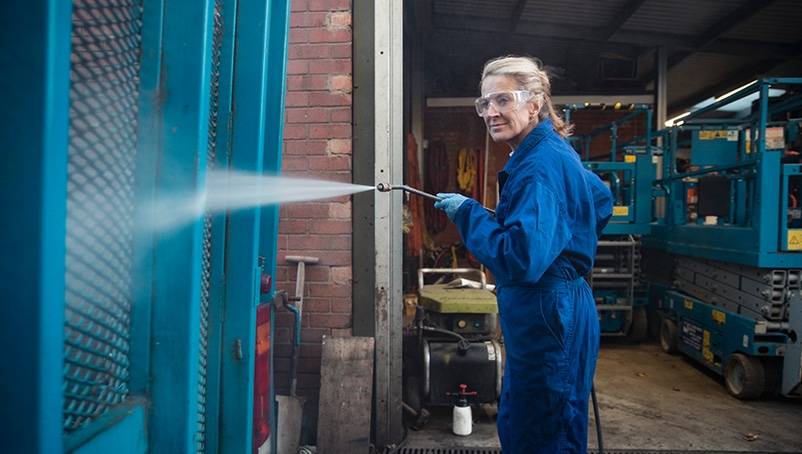
From the outside, a pressure washing business can look simple. A truck pulls up. A technician uncoils a hose.
Surfaces that were stained and weathered an hour ago suddenly look bright and refreshed. To many homeowners, it seems like straightforward work with quick results.
What often goes unnoticed is the planning, training, risk management, and technical knowledge behind those results.
Running a pressure washing business is less about blasting surfaces with water and more about understanding materials, chemistry, equipment, and customer trust.
It’s Not Just High Pressure — It’s Controlled Cleaning
One of the biggest misconceptions is that pressure alone does the work.
In reality, excessive pressure can permanently damage siding, etch concrete, splinter wood, and force water behind exterior walls. Professionals rarely rely on brute force.
Different surfaces require different approaches.
Vinyl siding often calls for soft washing techniques that combine lower pressure with specialized cleaning solutions.
Concrete driveways may tolerate higher PSI but still require careful nozzle selection and even spray patterns. Roof cleaning, in particular, demands low-pressure application to avoid shingle damage.
A reputable pressure washing business invests time in understanding these distinctions because a mistake can be expensive—and highly visible.
Equipment Is Only Part of the Equation
Homeowners sometimes assume that buying a commercial-grade washer is the main barrier to entry. Equipment matters, but it’s only one piece of the operation.
Water flow rate, pump quality, hose length, surface cleaners, and chemical injectors all influence outcomes.
Even the angle of a spray tip changes how water interacts with a surface.
Professionals also maintain backup parts and systems because downtime directly affects revenue.
Behind every service call is a logistics plan: fuel management, water supply coordination, scheduling efficiency, and equipment maintenance.
Without those systems, a pressure washing business quickly becomes unreliable.
Surface Knowledge Separates Professionals from Amateurs
Exterior surfaces age differently. Organic growth on siding often signals shade and moisture retention.
Rust stains on concrete may originate from irrigation systems or metal fixtures. Oil spots in driveways require degreasers, not just water.
Understanding how these conditions develop allows professionals to treat causes, not just symptoms.
For example, removing algae without addressing drainage patterns may result in rapid regrowth.
Cleaning without proper pre-treatment may produce uneven results.
Experienced operators read surfaces like technicians, not just cleaners. That expertise protects both the property and the business’s reputation.
Risk and Liability Are Real
Water and property don’t always mix safely. Forcing water into attic vents, under flashing, or behind siding can create interior damage that appears weeks later. Slippery surfaces increase the risk of injury for both technicians and homeowners.
That’s why insurance, training, and documented procedures are central to a sustainable pressure washing business.
Proper insurance coverage isn’t optional—it’s essential. So are safety protocols, especially when working on ladders or near electrical fixtures.
Homeowners often see a finished driveway. What they don’t see is the preparation required to prevent avoidable damage.
Pricing Reflects More Than Time on Site
It’s easy to compare quotes and assume the lowest price wins. But pricing in this industry reflects more than the visible cleaning time.
Travel, setup, chemical costs, equipment wear, insurance, and follow-up communication all factor in.
Professional operators also account for risk tolerance.
Surfaces that are heavily oxidized or fragile require slower, more careful treatment. That care may increase labor time but reduce long-term liability.
When pricing seems higher than expected, it often reflects investment in quality control rather than inflated margins.
Customer Education Is Part of the Service
A strong pressure washing business doesn’t just clean—it explains. Professionals clarify what can and cannot be restored.
They set expectations about stain removal and long-term maintenance.
For instance, some concrete discoloration is permanent due to chemical reactions within the material itself.
Certain siding fade patterns result from UV exposure, not dirt. Honest communication prevents misunderstandings later.
Homeowners appreciate transparency. It builds trust and turns one-time jobs into long-term service relationships.
Seasonality and Scheduling Challenges
Unlike many home services, pressure washing is heavily weather-dependent. Rain, wind, freezing temperatures, and extreme heat all influence scheduling and results.
Seasonal demand spikes—especially in spring—create tight booking windows.
Business owners must balance capacity with service quality. Overbooking leads to rushed work. Underbooking strains cash flow.
Managing this cycle requires forecasting, marketing, and disciplined scheduling.
From the outside, it may look like a simple service call. Behind the scenes, it’s a constantly shifting operational puzzle.
Why Professional Standards Matter
The difference between a casual operator and a professional pressure washing business often comes down to systems.
Written procedures, documented estimates, follow-up inspections, and proper chemical handling elevate the work from transactional to dependable.
Communities also notice consistency. Well-maintained homes contribute to property values and neighborhood appearance. Professional cleaning supports that broader ecosystem.
When done correctly, exterior cleaning isn’t just cosmetic—it’s preventative maintenance.
The Bigger Picture
Running a pressure washing business involves more than hoses and water.
It requires technical knowledge, surface science awareness, financial planning, insurance protection, and customer communication.
Homeowners see the transformation. They see brighter siding, cleaner decks, and restored driveways.
What they don’t always see is the expertise that makes those results safe and repeatable.
As expectations for home maintenance continue to rise, the businesses that thrive will be those that combine skill with structure—delivering not just clean surfaces, but confidence in the process behind them.