
For a long time, exterior home design was heavily focused on appearance alone.
Sharp modern lines, highly polished surfaces, and trend-driven finishes often took priority over warmth, comfort, or practicality.
While many of those styles still remain popular, homeowners are increasingly moving toward spaces that feel softer, calmer, and more connected to everyday living.
This shift reflects broader lifestyle changes.
People now spend more time at home, pay closer attention to comfort, and think more carefully about how their surroundings affect stress levels, routines, and long-term wellbeing.
As a result, exterior design is becoming less about making a dramatic impression and more about creating a home that feels welcoming and easy to live with every day.
Natural textures, balanced landscaping, warm lighting, covered outdoor areas, and durable materials are all becoming more common as homeowners look for ways to create properties that feel both beautiful and functional.
The idea of comfort itself has expanded beyond interiors.
Exterior spaces now play a much bigger role in shaping how a home feels overall.
Outdoor Spaces Are Starting to Feel Like Real Extensions of the Home
Backyards and exterior spaces are being used very differently than they were a decade ago.
Instead of serving mainly as decorative areas or occasional gathering spots, they are increasingly becoming part of everyday life.
People now read outside in the evenings, work from covered patios, host casual dinners outdoors, and create quieter spaces where they can unwind away from screens and noise inside the house.
That shift has encouraged homeowners to think more carefully about comfort, shade, durability, and long-term usability when planning exterior upgrades.
Pergolas, covered patios, improved airflow, softer lighting, and weather-resistant materials are becoming far more common because people want outdoor spaces that remain functional beyond just a few summer weekends.
As these priorities grow, Altair Austin Roofing Company is increasingly becoming part of larger exterior improvement projects instead of being seen only as a company homeowners call for repairs.
Homeowners increasingly look at roofing, drainage, ventilation, and covered structures as essential parts of creating outdoor areas that stay comfortable, protected, and easier to maintain throughout changing weather conditions.
There is also a stronger focus now on reducing ongoing upkeep.
Many homeowners prefer exterior improvements that simplify maintenance instead of adding more responsibilities later.
Better roofing systems, durable materials, and smarter water management can help avoid many of the small recurring problems that slowly turn homeownership into a constant repair cycle.
More than ever, people want homes that feel relaxing and manageable day to day, not just visually impressive from the street.
Softer Exterior Styles Are Replacing Harsh Minimalism
Another noticeable trend involves the move away from overly cold or rigid exterior styles.
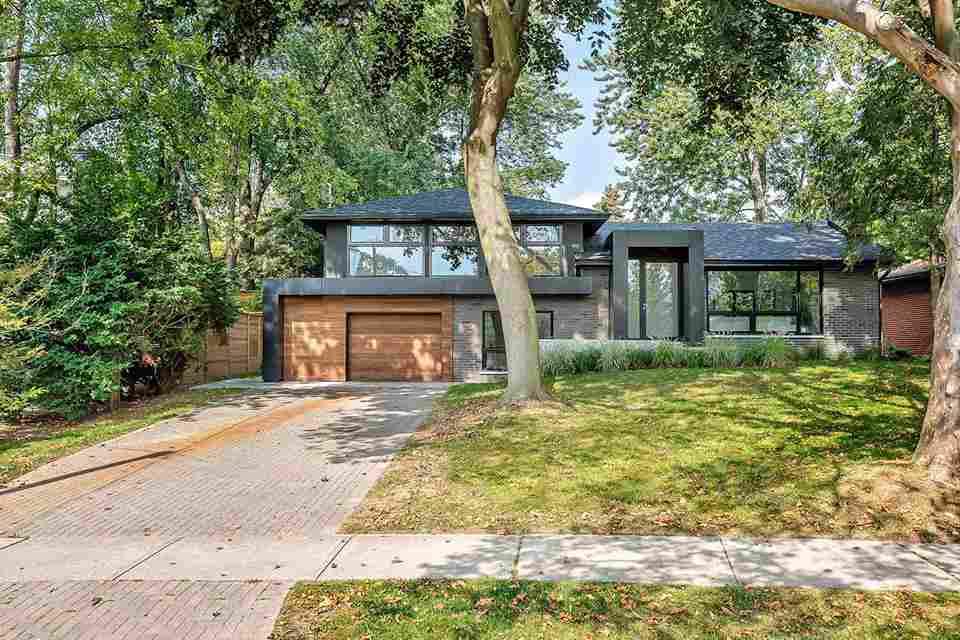
Many homeowners still appreciate clean modern design, but there is growing interest in adding warmth and softness back into residential architecture.
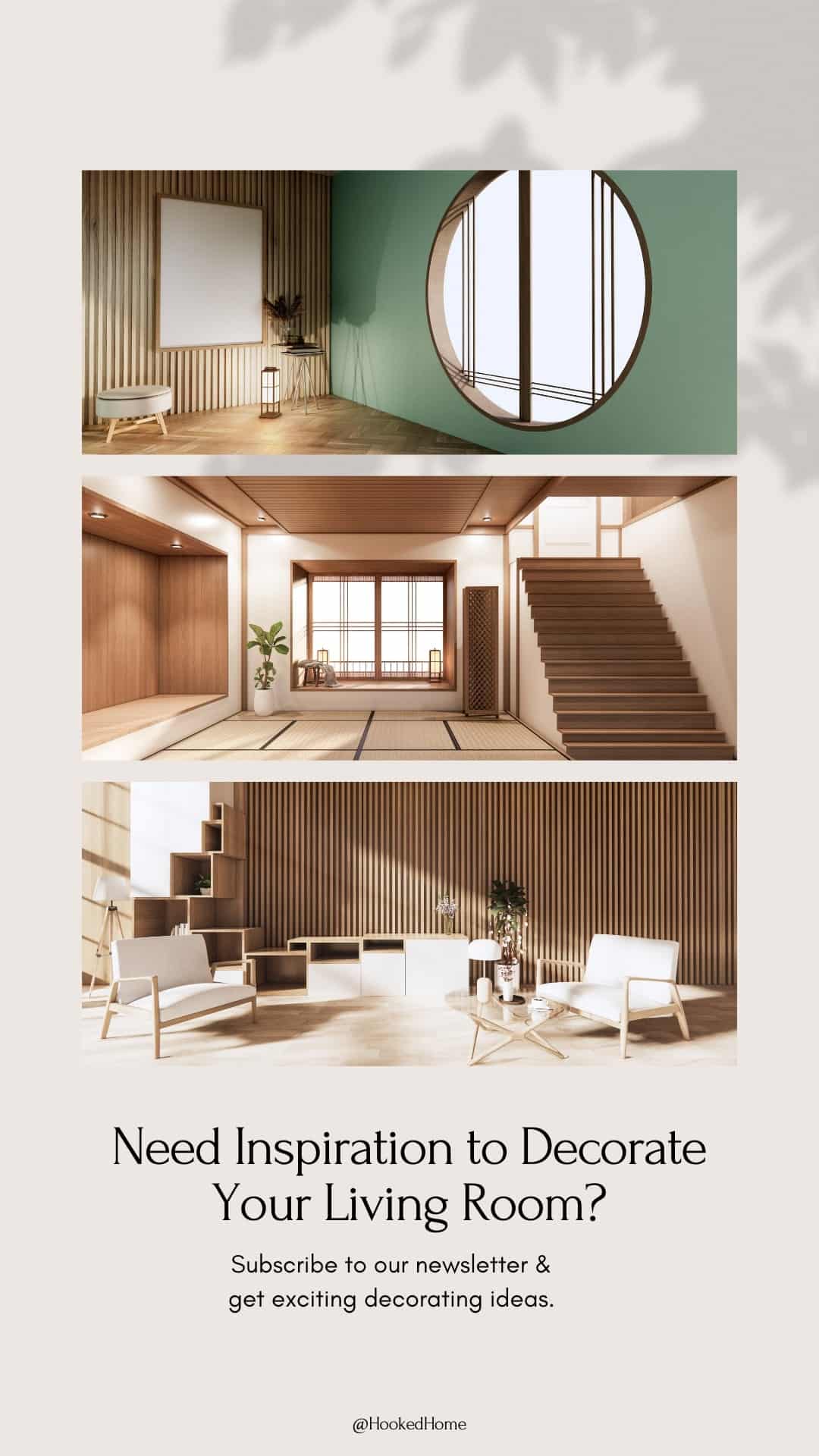
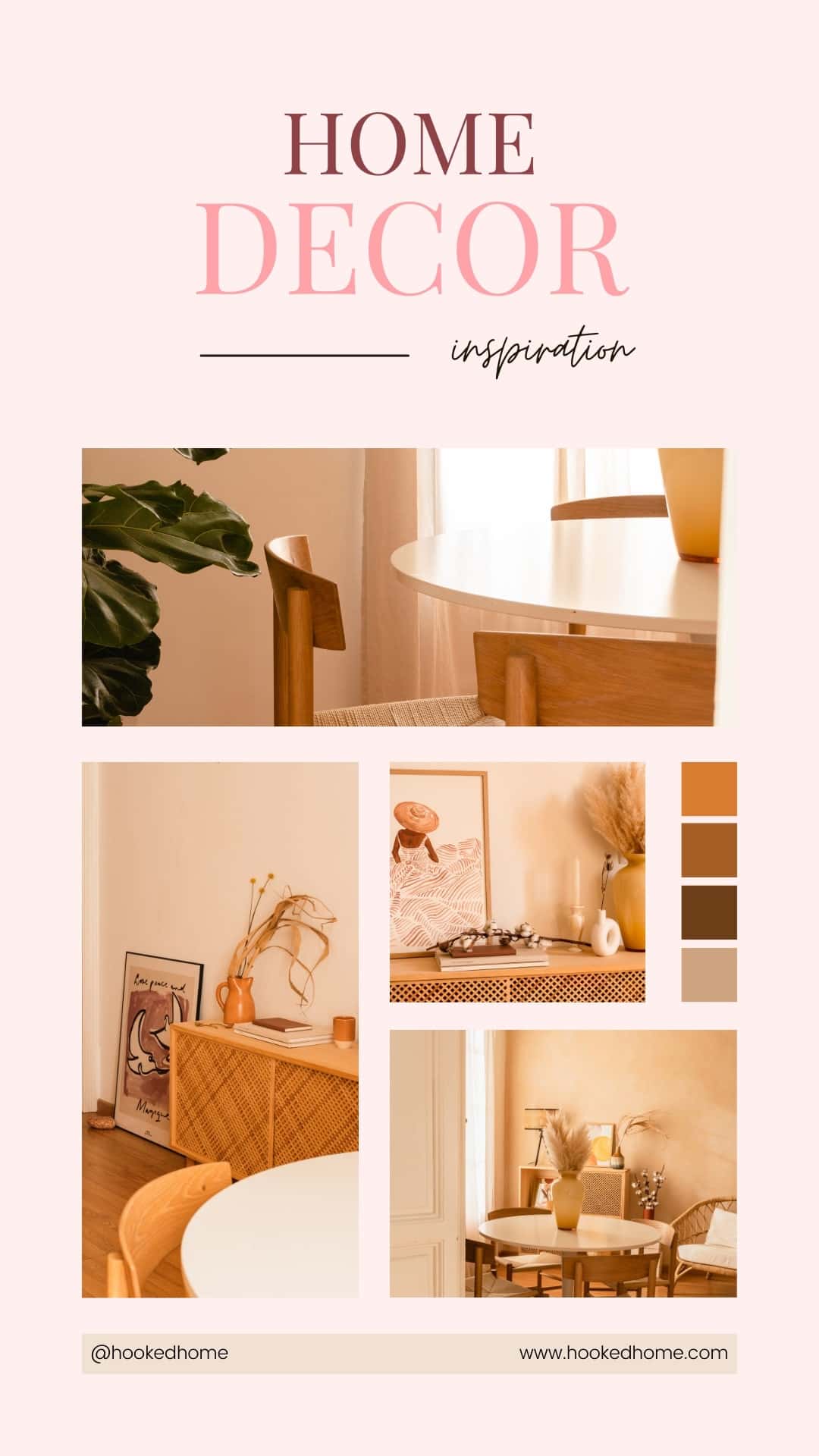
Natural wood accents, earthy color palettes, matte finishes, textured stone, warm lighting, and layered landscaping are becoming far more popular than heavily industrial or ultra-minimal exterior designs.
People increasingly want homes that feel approachable and lived-in rather than overly polished or sterile.
This shift has encouraged many homeowners to choose timeless materials that age naturally and maintain visual appeal over time.
Even smaller design decisions now contribute to this softer overall feeling.
Curved pathways, warm exterior lighting, textured finishes, and comfortable outdoor seating areas all help create spaces that feel calmer and more inviting.
The exterior of a home is increasingly viewed as part of emotional comfort rather than purely visual presentation.
Homeowners Are Thinking More About Long-Term Maintenance
Another major reason exterior design is changing involves maintenance itself.
Many homeowners now prioritize practical upgrades that reduce future stress and upkeep.
Low-maintenance siding, weather-resistant roofing, durable outdoor materials, and better drainage planning are becoming more attractive because they simplify long-term ownership.
Instead of constantly updating or repairing exterior features, many people now prefer investments that remain reliable for years with minimal maintenance.
This mindset has become especially important for busy families and homeowners balancing work, parenting, and daily responsibilities.
Exterior systems that help prevent leaks, moisture issues, heat buildup, or storm damage can significantly improve peace of mind over time.
Rather than focusing only on appearance, homeowners increasingly ask whether an upgrade will make life easier overall.
This practical approach is shaping everything from roofing decisions to landscaping choices and outdoor furniture selection.
Energy Efficiency Is Quietly Influencing Design Choices
Energy efficiency has also become an important part of modern exterior design planning, even for homeowners primarily focused on comfort and aesthetics.
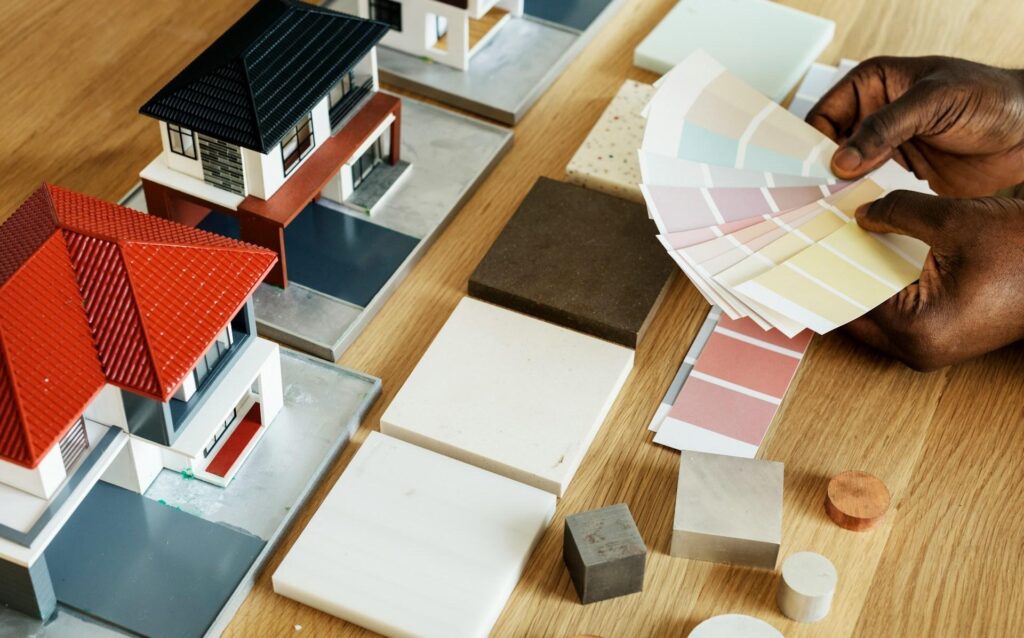
Roofing materials, insulation quality, ventilation systems, shade placement, and reflective surfaces all influence how a home feels during hotter or colder months. Better exterior planning can help maintain more stable indoor temperatures while reducing long-term energy costs.
According to the U.S. Department of Energy, proper insulation and ventilation can improve indoor comfort while helping homes operate more efficiently throughout the year.
Many homeowners now incorporate these improvements naturally into broader renovation projects rather than treating efficiency as a separate category entirely.
Covered outdoor structures, shaded windows, improved airflow, and weather-conscious roofing systems can all help create homes that feel more comfortable without sacrificing visual appeal.
This blend of practicality and comfort has become one of the defining characteristics of modern residential design.
Exterior Spaces Are Becoming More Relaxed and Flexible
Modern outdoor spaces are also becoming less formal.
Instead of highly structured entertaining areas designed mainly for special occasions, many homeowners now prefer more flexible spaces that support everyday routines.
Outdoor coffee areas, reading corners, small garden spaces, covered dining setups, and casual seating arrangements are becoming more common than elaborate decorative layouts.
This reflects a broader cultural shift toward slower and more relaxed living environments.
Homeowners increasingly want spaces that feel restorative rather than overly curated or performance-focused.
Gardening has also grown in popularity as part of this movement.
Raised garden beds, native landscaping, edible plants, and pollinator-friendly outdoor spaces help create homes that feel more grounded and connected to nature.
Even smaller outdoor improvements can make a property feel significantly more peaceful and enjoyable on a daily basis.
Warm, Functional Homes Are Becoming the Long-Term Goal
Perhaps the biggest shift in exterior home design is that homeowners are thinking more holistically about how they want their properties to support everyday life. Comfort, durability, warmth, and practicality are now deeply connected.
People want homes that feel calming, manageable, weather-ready, and visually inviting at the same time.
This has pushed exterior renovation trends away from purely cosmetic upgrades and toward more balanced improvements that support long-term livability.
Roofing systems, outdoor structures, landscaping, lighting, ventilation, and durable materials all contribute to creating homes that feel easier to live in year after year.
As homeowners continue prioritizing comfort and functionality, exterior design will likely keep moving toward spaces that feel warmer, softer, and more connected to real daily living rather than short-term visual trends alone.