
A simple well-designed backyard should do more than look good. It should support how you relax, entertain, and spend time at home.
Yet many outdoor spaces end up underused because they were built without a clear plan.
Features get added one at a time, materials don’t align, and the result feels disconnected.
If you want a backyard that feels intentional and easy to use, the process needs to start with how you live, not just what looks appealing online.
This guide walks through how to design a backyard that functions well, looks cohesive, and holds up over time.
Start With Function, Not Features
Before thinking about patios, fire pits, or gardens, step back and define how you actually want to use your space. Ask yourself:
- Do you host often, or prefer quiet evenings outdoors?
- Do you need space for kids or pets to play?
- Is low maintenance a priority?
- Do you want privacy, or a more open feel?
- How much time are you realistically willing to spend on upkeep?
These answers shape everything that follows. A backyard designed for entertaining looks very different from one designed for relaxation or minimal maintenance.
Common Backyard Use Zones
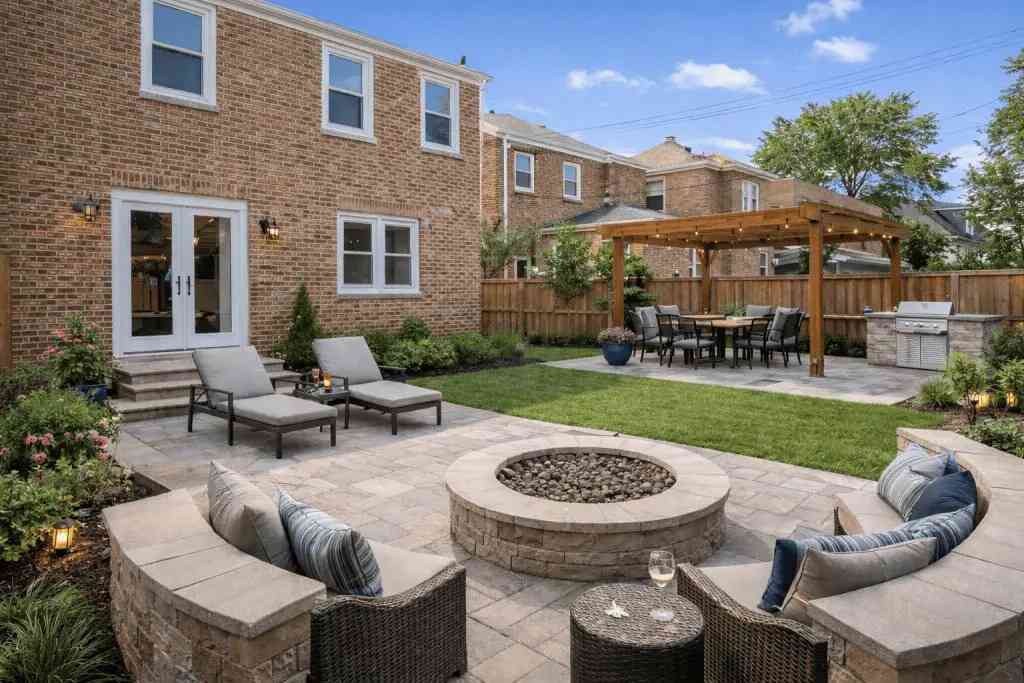
Most well-designed yards are divided into clear zones:
- Dining and entertaining area: Outdoor kitchens, patios, or decks where people gather
- Lounge space: Softer seating areas for relaxing
- Green space: Lawn or planting areas that add balance and visual relief
- Utility or storage areas: Sheds, compost zones, or discreet storage
Defining these zones early prevents overcrowding and helps everything feel purposeful.
Build Around a Strong Layout
A backyard should feel easy to move through, and that comes down to layout. Think about how people will walk through the space.
Paths should feel natural, not forced. Seating areas should be accessible without cutting through garden beds or awkward corners.
Layout Tips That Make a Difference
- Keep main walkways at least 3 feet wide for comfort
- Place seating areas where they naturally connect to the home
- Avoid scattering features randomly across the yard
- Use hardscaping to define transitions between spaces
A good layout reduces friction. You should never feel like you are navigating obstacles to use your own yard.
Choose Materials That Match Your Climate and Lifestyle
Materials are where many backyard projects fall apart. What looks great on day one may not perform well after a few seasons.
Instead of choosing purely based on appearance, consider:
- Freeze and thaw cycles
- Drainage and soil conditions
- Sun exposure
- Maintenance requirements
For example, natural stone may offer durability and long-term value, while certain pavers can provide flexibility and easier repairs.
Sourcing quality materials also matters. Homeowners often underestimate the importance of working with a reliable supplier.
Companies like Dibbits Landscape Supply are commonly used by contractors and homeowners who want consistent materials that hold up over time.
The right material choices reduce long-term costs and keep your space looking intentional rather than patched together.
Plan for Drainage Early

Drainage is rarely the most exciting part of backyard design, but it is one of the most important. Poor drainage leads to:
- Standing water
- Damaged hardscapes
- Erosion
- Unusable areas after rain
Addressing drainage early allows you to integrate solutions without compromising the design.
Simple Drainage Strategies
- Grade the yard so water moves away from the home
- Use permeable materials where possible
- Incorporate gravel or drainage layers beneath patios
- Add swales or subtle slopes to direct runoff
Ignoring drainage often leads to costly fixes later. Planning for it upfront keeps your investment protected.
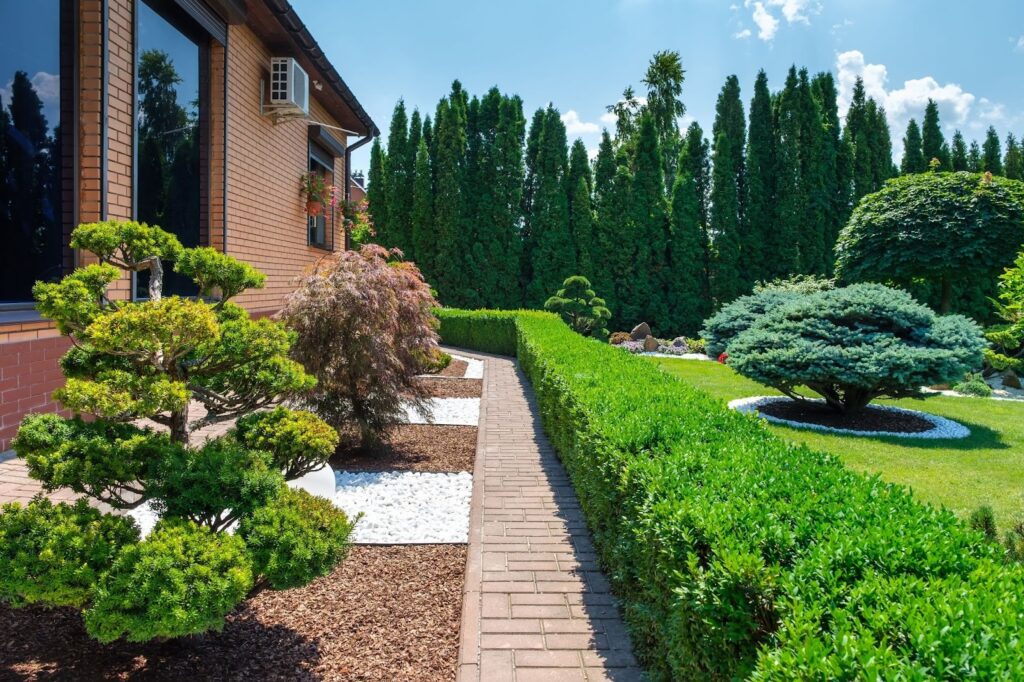
Balance Hardscape and Softscape
A backyard that is all stone can feel harsh. One that is all planting can feel unstructured.
The goal is balance; hardscape provides structure and usability, while softscape adds life, movement, and seasonal interest.
Finding the Right Balance
- Use planting beds to soften the edges of patios and walkways
- Add trees or vertical elements to create depth
- Avoid overfilling every space with plants
- Choose plant varieties suited to your local climate
A balanced yard feels finished without being overwhelming.
Design for Low Maintenance Without Sacrificing Quality
Many homeowners want a beautiful yard but do not want to spend every weekend maintaining it.
Low maintenance does not mean cutting corners. It means making smarter choices.
Low Maintenance Design Choices
- Use larger planting beds with fewer, well-chosen plants
- Select hardy, native or adapted plant species
- Install irrigation systems where appropriate
- Choose durable materials that do not require constant upkeep
The goal is a yard that looks good with minimal effort, not one that constantly needs attention to stay presentable.
Think About Privacy and Comfort
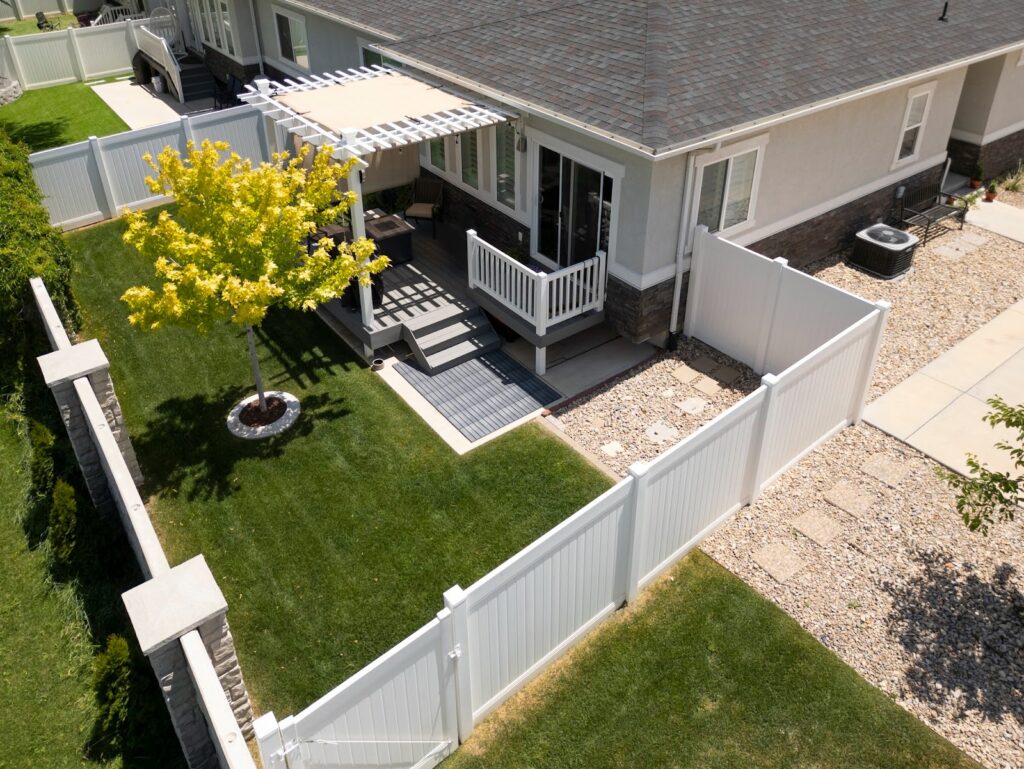
A backyard should feel like an extension of your home, not an exposed space. Privacy can be created in several ways:
- Strategic planting with hedges or trees
- Fencing or screens
- Pergolas or covered structures
Comfort also matters. Consider:
- Shade for hot days
- Wind protection in exposed areas
- Lighting for evening use
These details turn a backyard from something you occasionally use into a space you rely on.
Lighting Is Often Overlooked
Lighting is one of the most cost-effective ways to improve how your backyard feels. Without it, even the best-designed space becomes unusable at night.
Effective Outdoor Lighting Ideas
- Path lights to guide movement
- Soft ambient lighting for seating areas
- Accent lighting for trees or architectural features
- Step lighting for safety
Well-placed lighting adds both function and atmosphere without overwhelming the space.
Avoid the “Add-On” Approach
One of the biggest mistakes in backyard design is adding features over time without a cohesive plan. It often looks like this:
- A patio gets installed one year
- A fire pit is added later in a different style
- Garden beds are squeezed into leftover space
- Materials do not match
The result feels fragmented. Even if you plan to build in phases, the full design should be thought through from the beginning. This ensures each addition fits into a larger vision.
Work With the Right Partners
Whether you are hiring a contractor or sourcing materials yourself, the people you work with matter. Reliable suppliers and experienced professionals help:
- Avoid costly mistakes
- Ensure material consistency
- Keep projects on schedule
- Maintain quality standards
Even if you are managing the project yourself, building relationships with trusted suppliers can make a noticeable difference in how smoothly the project goes.
Final Thoughts: Build a Space You Will Actually Use
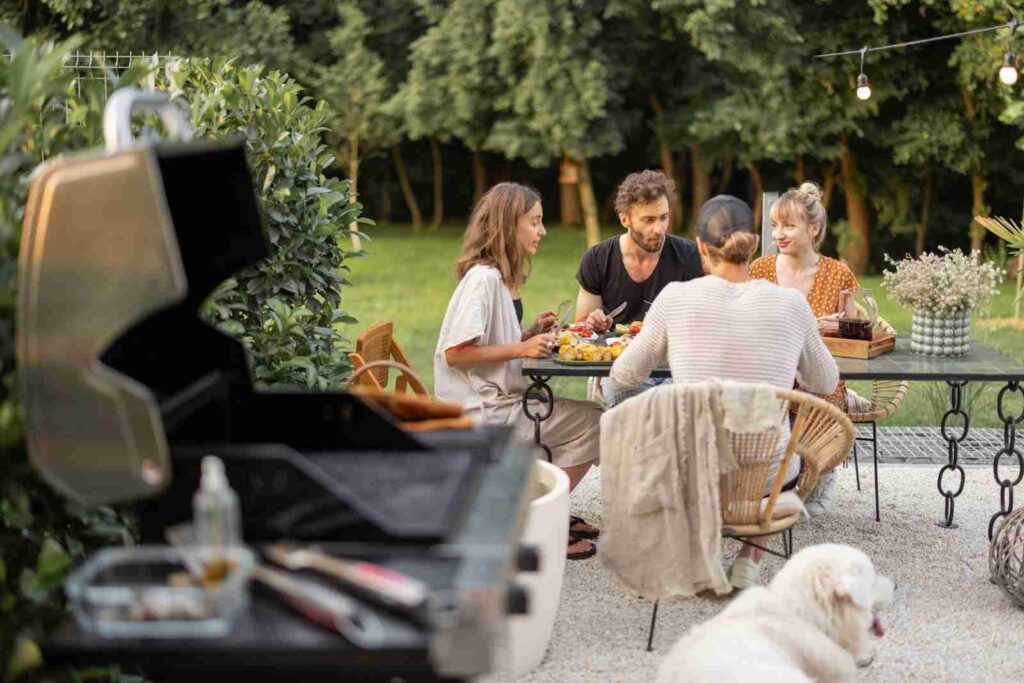
A successful backyard is not defined by how many features it includes.
It is defined by how often you use it. When your space is planned around your lifestyle, built with the right materials, and designed with intention, it becomes part of your daily life. Focus on:
- Function before aesthetics
- Layout before features
- Quality before shortcuts
If you get those right, everything else falls into place. More importantly, you end up with a backyard that feels natural, comfortable, and worth the investment.