
Living in areas with a tropical climate has its advantages, such as beautiful vegetation, beaches, and warm weather. But when it comes to home construction, the climate also has its own challenges. It is crucial to choose a roof that will serve you for years to come.
This homeowner’s guide examines what your roof should have in the tropics, the types of roofs for humid climates, and more.
What Your Roof Should Have in The Tropics
Roofing isn’t just about covering your house; the perfect type of roof for a humid climate should perform several functions, such as:
- Waterproofing to prevent leaking and protect your house
- Ventilation allows the movement of hot air inside the house and reduces the temperature inside.
- Mold and corrosion resistance, especially for homes near the ocean.
- A proper slope design to ensure rainwater flows down fast and avoids accumulation.
With these in mind, here are some suitable roofing materials to consider for your home.
Metal Roofs
Steel and aluminum roofs are durable. They can withstand harsh climates and extreme temperature changes.
Metal roofs have to be designed carefully and installed with insulation, moisture barriers, and ventilation.
Copper is also a good and unique option for your home.
Exposure to water and air oxidizes the copper, forming a green patina that protects the material from corrosion.
Copper is a perfect fit for homeowners living in coastal regions with higher levels of salt and moisture in the atmosphere.
Asphalt and Slate
Asphalt is a commonly used roofing material in the U.S. While choosing asphalt, consider a shingle product that has a built-in algae deterrent.
This prevents algae from forming on moist roofs in high-humidity regions.
Slate has a high cost, and is another great option for your roof. This material should be installed properly and is perfect for humid weather.
Slate can withstand harsh climatic conditions for up to a hundred years.
Tiles
Tile roofs work well against extreme climate conditions and last for years.
Long-wearing and tough, concrete tiles, for example, can minimize the absorption of moisture, can endure wind-driven rain, and can resist rot. Installing a tile roof requires additional structural support because they are heavier than other materials.
This means that they can’t be blown easily by rough winds.
Synthetic Roofing Materials
Synthetic roofing materials are perfect for busy homeowners. They are pleasing to look at, durable, and require minimal maintenance.
You might mistake them for natural tiles because they look similar and have comparable performance.
These types of roofing materials are easy to install, especially when you compare them to slate and natural tile.
Synthetic materials are light and save money on installation.
Benefits of Synthetic Roofing Materials
Synthetic roofing has multiple benefits that are not available in other types of roofing. They include:
Durability
Synthetic roofing materials have impact-resistant quality and have a Class 4 rating.
This means the material does not crack, tear, or split when hit with flying debris or hail. They are also wind-resistant and can resist up to 211 mph. Homeowners don’t have to worry about warping, rotting, or moisture damage.
These materials are also fire-resistant with a rating of up to Class A. This is the highest rating they can get. This durability leads to longevity, and the synthetic material will last longer than other types of materials.
Environmentally Friendly
Synthetic roofs use renewable resources. For most brands, this means utilizing recycled rubbers and plastics, which is beneficial to the environment.
The use of recycled and sustainable materials keeps the environment clean. It also means that synthetic roofs can be recycled after their use comes to an end.
These types of roofing materials have a low carbon footprint and do not require mined materials or fossil fuels.
So, the manufacturing process is less harmful to the environment than other materials.
Low Maintenance
The above-mentioned features mean that your roof is low-maintenance and durable. This durability means homeowners do not have to deal with issues such as replacements, repairs, algae, or mold.
The roofs require occasional cleaning to get rid of dirt and debris.
Making the Right Choice for Your Climate
Choosing a suitable roofing material for an area with a humid climate is more than just a product decision; it is a long-term strategy.
Selecting your roofing material depends on the climate, the type of house, maintenance, and usage intensity.
Choose a material that minimizes maintenance and ensures performance under extreme climate conditions.
The material you choose should offer long-term aesthetics, UV resistance, and a clean appearance.
Cost vs Longevity
For homeowners in coastal and tropical areas, selecting a roofing material isn’t just about upfront cost; it’s also about the total lifetime value.
A cheap solution saves on the initial cost. However, it will require constant repairs, cleaning, or replacement. Your total expenditure could easily outweigh the investment over time.
Roofing Design Tips for Humid Regions
After selecting the right material and shape for your roof, there are other considerations to keep in mind.
- The slope should be at least 30 degrees to prevent water from accumulating.
- The gutters and downspouts should be sized properly to handle heavy downpours.
- Professional waterproofing and thermal insulation to improve performance.
- Use materials that are mold and corrosion-resistant for durability over the years.
Working with experienced professionals, such as roofing Clearwater FL ensures you get the best material and technique for your home.
The Importance of Proper Installation
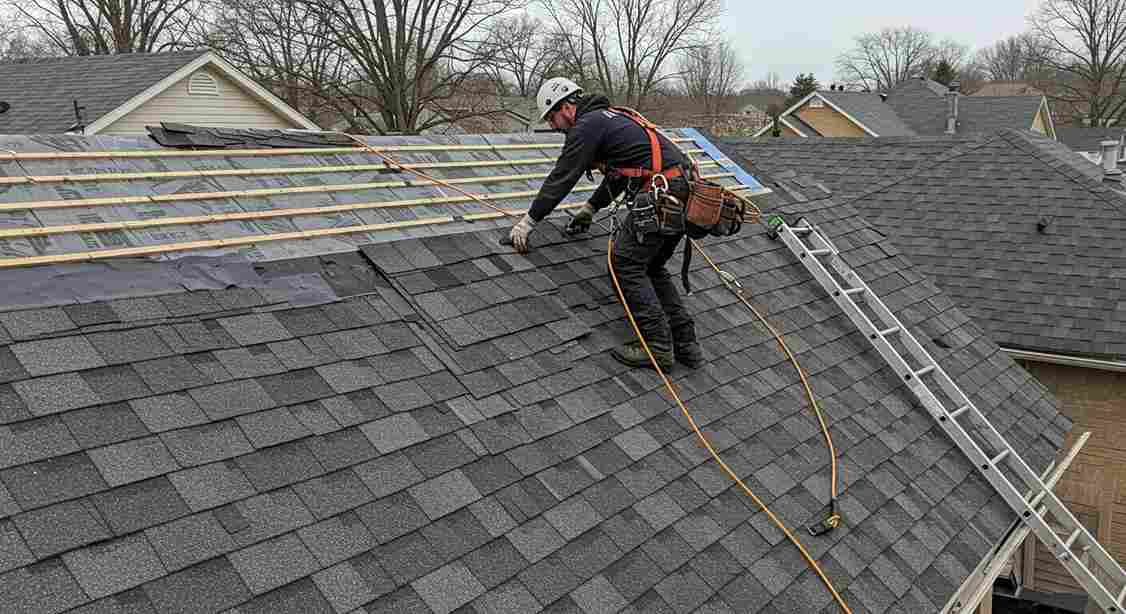
Even the most durable roofing material can fail if it isn’t installed correctly. Proper installation ensures that materials are sealed effectively.
This prevents water infiltration and maximizes their lifespan. Working with experienced professionals is essential.
It is important to choose a contractor who understands the specific challenges of humidity in your location and can recommend the best materials for your home.
Endnote
Choosing the right roofing materials involves understanding your local climate, budget, and long-term goals.
Each option comes with its advantages and considerations. However, the key is to prioritize durability and resistance to moisture.
By taking time to research and consult with professionals, you can make an informed decision that protects your home and enhances its value for years to come.