

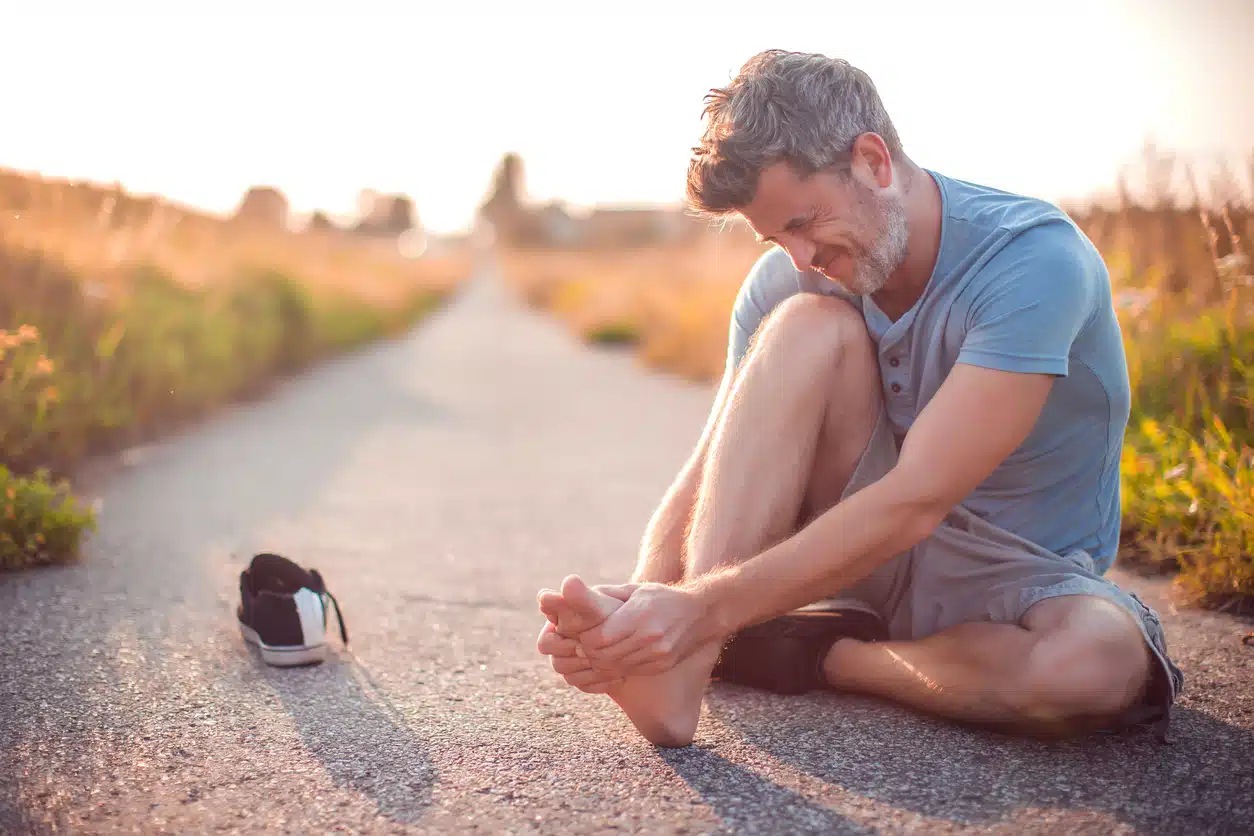
When the pain settles into the lower body, you start thinking about “how long can I live with pavatalgia?” Pavatalgia brings the nagging and intense discomfort in your feet, ankles, or legs is around long.
It’s about only the physical symptoms, it’s in your gut asking if this is forever, if it’ll get worse, or how it’ll change your life.
This isn’t only about pain but it’s about your life getting flipped.
Simple things like walking to get the mail, standing to cook dinner, or sleeping through the night become a challenge.
The pain can be for months or years, coming and going or staying put unwanted.
Here in this post, we’re talking about how long can I live with pavatalgia.
We’ll look at what it is, how long you have to deal with it, what affects your quality of life, if it gets worse, and what treatments can help.
What is Pavatalgia?
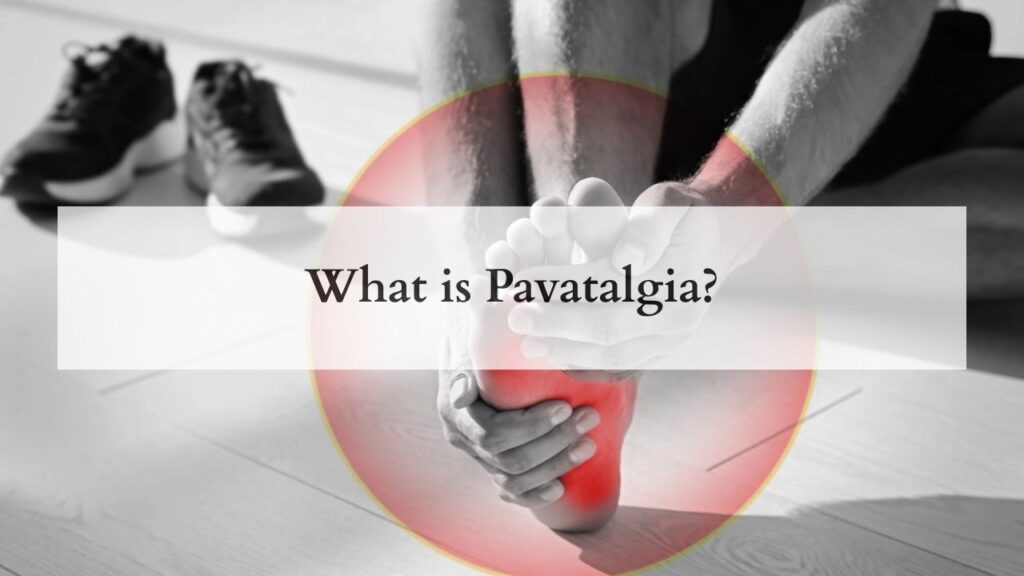
Pavatalgia is a term for ongoing pain that shows up in your low extremities, like your feet, ankles, or legs.
It affects both muscles and nerves in these areas.
The confusing part is that doctors may struggle to pinpoint why it’s happening.
The pain from pavatalgia comes in different flavors. Sometimes it’s an aching feeling, other times it’s burning, stabbing, or throbbing.
It can be around day or come and go without warning.
For some people, it only flares up during activities or after standing a long time.
What causes this pain?
According to pain specialists at Mayo Clinic, common triggers include:
- Overusing your feet or legs
- Wearing shoes that don’t support you
- Injuries or trauma
- Nerves getting pinched or irritated
- Inflammation
- Body alignment issues
- Carrying extra weight
- Normal aging
- Other conditions like arthritis or neuropathy
The good news is that pavatalgia isn’t life-threatening.
The bad news is that it can mess with your life if not managed well.
How Long Can I Live With Pavatalgia?
Pavatalgia won’t affect your living. Research from multiple medical journals confirms you can live a normal lifespan with this condition.
That’s the truth which can help you sleep better.
BUT, while pavatalgia won’t affect how LONG you live, it impacts HOW you live.
Depending on its severity and how well you manage it, pavatalgia can change your day-to-day experience.
Some days you may barely notice it, other days it can feel too much pain to not function normally.
The thing that scares many people is not knowing. Not knowing if the pain will stop, if it’ll get worse, or if they’ll feel normal again.
The uncertainty is valid. Medical research shows the chronic pain conditions like pavatalgia aren’t life-threatening, but they’re life-altering.
Factors That Tell How Long Can I Live With Pavatalgia
When talking about living with pavatalgia, we need to look at both how long you’ll live and how well you’ll live during these years.
There are many key factors that play into this.
Life Expectancy
This is the most important thing to remember that PAVATALGIA DOES NOT REDUCE LIFE EXPECTANCY.
According to many medical sources, this condition doesn’t shorten your life.
It’s not terminal, progressive in the life-threatening sense, or contagious.
You can live as long as anyone else, pavatalgia affects quality of life, not quantity.
Quality of Life
How pavatalgia affects your daily happiness depends on:
- How bad your pain is
- How well treatments work for you
- What support you have around you
Some people with mild pavatalgia rarely notice it after finding the right shoes or exercises.
Others with severe cases may need to make adjustments to their daily routines.
The National Institute of Neurological Disorders and Stroke notes that quality of life varies from person to person with chronic pain conditions.
Most people can work, exercise, and do regular activities but sometimes with extra planning or care.
Physical Impact
Pavatalgia can bring some unwanted physical tagalongs:
- Stiffness that makes movement harder
- Limited mobility
- Feeling tired from dealing with constant pain
- Sleep problems when pain keeps you up or wakes you
These physical effects come with time, making other activities hard too.
It’s like a domino effect, foot pain makes you move differently, which makes your back hurt, which makes you sleep poorly.
Emotional and Mental Impact
Let’s talk about something that doesn’t get attention, which is that pain affects your MIND too.
Living with this pain is mentally exhausting. Studies from the American Psychological Association show chronic pain patients have high rates of:
- Stress
- Anxiety
- Depression
The constant battle takes you down emotionally.
Some days you may feel fine, other days you may snap at people you love or feel completely overwhelmed.
This emotional part is a real and valid part of living with pavatalgia.
How It Can Get Worse With Over Time?
Pavatalgia doesn’t get worse as you age.
Another myth is that without proper management, things will go worse.
Without treatment, you notice:
- Pain intensifying or spreading
- Frequent flare-ups
- Activities becoming hard
- Secondary problems developing
The Journal of Pain Research suggests that early intervention makes a difference in long-term outcomes.
The long you wait to address pavatalgia, the more patterns your body establishes that can be hard to reverse.
Weight gain is another hidden factor. Extra weight put pressure on painful structures, creating a nasty cycle.
As pain limits your activity, weight gain becomes more which can then make pain worse.
Your activity level, weight management, foot care habits, and how well you get with treatment all influence whether pavatalgia stays manageable or becomes problematic.
Treatments That Can Be Considered For Pavatalgia
There are many options to help manage pavatalgia.
While there’s no single cure to consider, many people find relief through a combination of approaches.
Medical Treatment
Pain management is step one.
According to pain specialists, options include:
- Over-the-counter pain relievers like ibuprofen or acetaminophen
- Prescription medications for tough cases
- Physical therapy to improve strength and movement
- Specialized foot exercises
- Orthotic supports or inserts
- Professional guidance on proper footwear
Finding what works may take some trial and error.
What helps your neighbor’s pavatalgia may do nothing.
The Harvard Medical School suggests working with healthcare providers to find your personal best approach.
Change In Lifestyle
Small changes can make differences:
- Weight management to reduce pressure on painful areas
- Activity modifications
- Rest and pacing throughout the day
- Alternating heat and cold therapy
- Wearing supportive shoes ALL the time
- Taking regular breaks from standing or walking
One physical therapist told Health Magazine that many patients see improvement from wearing proper shoes and doing simple daily stretches.
These small habits build up to relief.
Supportive Care
Don’t underestimate the power of addressing the emotional side:
- Stress management techniques
- Relaxation practices
- Talking to a counselor about coping strategies
- Joining support groups
- Learning about pain science to understand what’s happening
The pain-emotion connection is real.
Research from Stanford Pain Management Center shows the psychological approaches can change how your brain processes pain signals.
Conclusion
Living with pavatalgia isn’t a life of misery, but it can be challenging and it requires adjustment.
But it won’t shorten your life or get worse with time if properly managed.
How long can I live with pavatalgia has a clear answer, you can live a full, normal-length life.
But the QUALITY of that life depends on taking proactive steps to manage symptoms, build supportive habits, and care for both physical and emotional health.
Remember that individual experiences vary. What works for someone else may not work for you.
Be patient with yourself, celebrate small victories, and don’t give up on finding your personal path to relief.
Living well with pavatalgia is possible.
It may not be the journey you planned, but with the right approach, you can reach a destination filled with meaningful activities, relationships, and joy.