

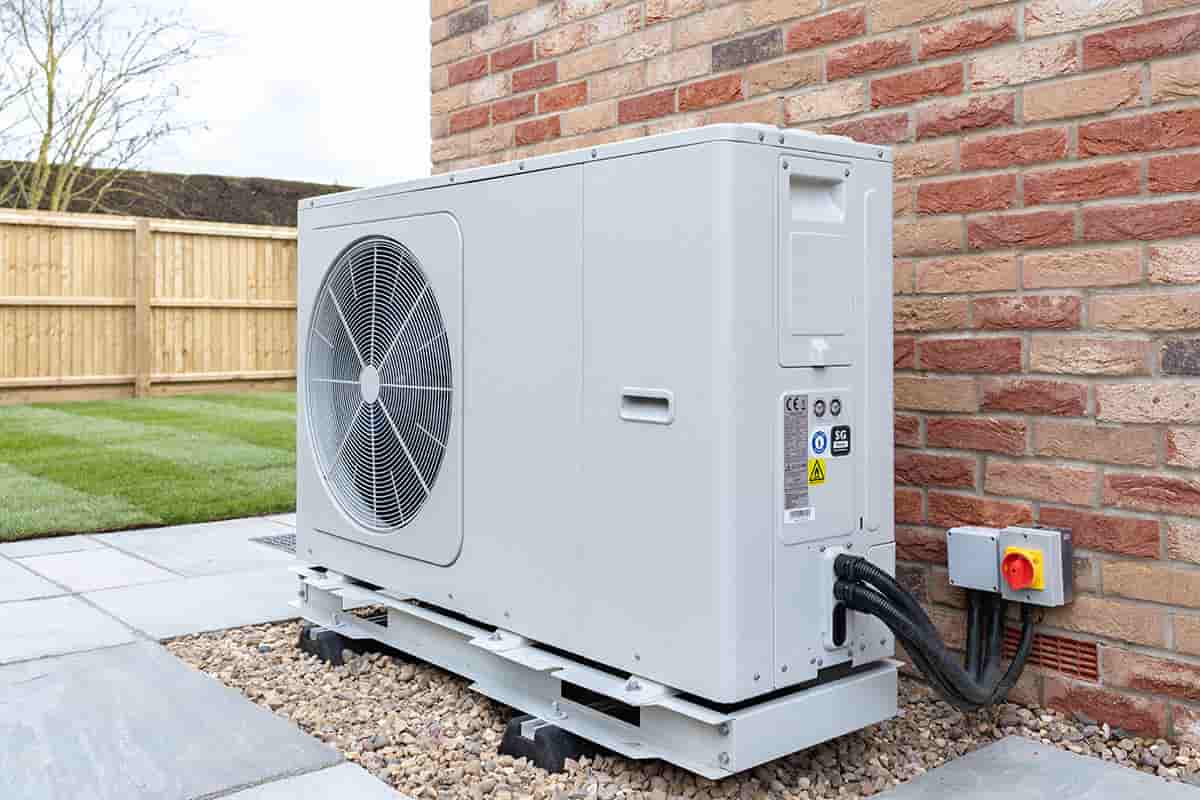
So you’re thinking about getting an air-to-water heat pump? Well, smart move. I’ve spent years installing and advising on these systems, and let me tell you, they’re pretty remarkable when done right.
Air-to-water heat pumps are gaining popularity fast as part of the selection of modern heating systems available today. They work differently from traditional boilers and can slash your energy bills while keeping your home toasty. According to the Energy Saving Trust, they can reduce your carbon emissions by up to 23% compared to gas boilers.
But here’s the thing about these systems – they’re not one-size-fits-all. Picking the right one needs some know-how. So grab a cup of something warm, and let’s walk through everything you need to know before you take the plunge.
How Air-to-Water Heat Pumps Works
You know how your fridge works? Well, an air-to-water heat pump is basically a fridge in reverse. Weird comparison, I know, but stay with me here.
Your fridge pulls heat from inside and dumps it outside, making the inside cold. An air-to-water heat pump pulls heat from the outside air (yes, even when it’s freezing) and brings it inside to warm your home. It’s like magic, but it’s just science.
Here’s what happens:
- The outdoor unit sucks in air
- A refrigerant liquid absorbs heat from that air
- This liquid gets compressed, which cranks up the temperature
- The heat transfers to your water-based heating system
- This warm water then flows through your radiators, underfloor heating, or comes out your taps
Even at temperatures as low as -15°C (brrr!), these pumps can extract heat from the air. They’re not quite as efficient when it’s super cold, but they still work.
I remember visiting a client in Scotland during a particularly nasty winter. He was skeptical that his new heat pump would cope with the -10°C temperatures. When I showed up, he was sitting in his living room in a t-shirt, grinning from ear to ear. His system was humming along beautifully.
Buying Guide On Air-to-Water Heat Pumps
When I’m helping clients choose an air-to-water heat pump, I tell them it’s a bit like buying a car. You wouldn’t just pick one because it looks nice or because your neighbor has one. You need to consider what works for your specific situation.
Air-to-water heat pumps come in different types, sizes, and efficiency ratings. They can connect to your existing radiators or underfloor heating system. Some can even provide cooling in summer, which is becoming a bigger selling point with our increasingly warm summers.
According to recent data, about 38% of UK households could benefit from switching to heat pumps. Let’s look at what you need to consider to see if you’re among them.
Check if your home is suitable for it
Not every home is ready for an air-to-water heat pump. Here’s what to look at:
Insulation
Your house needs decent insulation. I’m talking about walls, loft, floors, windows—the works. Heat pumps operate at lower temperatures than gas boilers, so a well-insulated home keeps that precious heat where you want it.
I once visited a beautiful old Victorian house where the owner was complaining about high bills with their new heat pump. Turns out they had single-glazed windows and about as much wall insulation as a sieve. We fixed that, and their bills dropped by 40%.
Space requirements
You’ll need space for an outdoor unit about the size of a small air conditioner. It needs good airflow around it, so squeezing it into a tiny alleyway won’t work.
Inside, you’ll need room for a hot water cylinder if you don’t already have one. Gas combi boiler users, I’m looking at you.
Current heating system
Got radiators? They might need upgrading to larger ones or low-temperature models. Heat pumps work best with bigger radiators or underfloor heating because they produce water at around 35-45°C, not the 60-80°C your gas boiler pumps out.
Type of the Air-to-Water Heat Pumps
There are mainly two types you’ll come across:
Monobloc systems
This is the most common type in the UK. All the techy bits are housed in a single outdoor unit. The refrigerant stays outside, and only water comes into your home.
Pros:
- Easier installation
- Usually cheaper
- Less disruption to your home
Cons:
- Slightly less efficient in very cold weather
- Needs to be installed close to your property
Split systems
These have an outdoor unit that connects to an indoor unit via refrigerant pipes.
Pros:
- Can be more efficient
- The outdoor unit can be placed further from the house
Cons:
- More complex installation
- Usually more expensive
- Requires F-gas certified engineers for maintenance
I installed a split system in my own home five years ago. The outdoor unit sits at the bottom of my garden, about 15 meters from the house. It’s tucked behind some shrubs, and you’d barely know it was there. For noise-sensitive folks, this can be a big plus.
Check the Efficiency and Performance Ratings
This is where things get a bit technical, but I’ll keep it simple.
The main number to look for is the Coefficient of Performance (COP) or Seasonal Coefficient of Performance (SCOP).
A COP of 3 means for every 1 unit of electricity used, you get 3 units of heat. Pretty good, right? Modern systems typically have COPs between 3 and 5.
The SCOP gives you a better year-round picture. It’s measured across different outdoor temperatures to give you a realistic average.
Another rating to check is the Energy-related Products (ErP) rating, which runs from A+++ to G. You want A+ or better.
I had a client who was torn between two models—one with a slightly higher price but a SCOP of 4.5, and a cheaper one with a SCOP of 3.2. I did the math with them. The difference in running costs over 10 years was more than £3,000, making the pricier model the clear winner in the long run.
Check Sizing and Output Capacity
Getting the right size heat pump is crucial. Too small, and it won’t heat your home properly. Too big, and you’ve wasted money and could face other issues like short cycling.
Heat pump capacity is measured in kilowatts (kW). A typical UK home might need something between 5kW and 16kW, depending on:
- House size
- Insulation levels
- Number of occupants
- Local climate
A proper heat loss calculation is essential. Any installer worth their salt will do this before recommending a system size.
I visited a home last winter where the owners were freezing despite having a new heat pump. The previous installer had put in an 8kW unit for a large, poorly insulated 5-bedroom house. It was like trying to heat a warehouse with a hairdryer. We replaced it with a properly sized 14kW system, and the difference was night and day.
Check Installation and Maintenance Cost
Installation costs aren’t small change. A typical system might cost between £7,000 and £15,000 installed, depending on the complexity.
Good news? The Boiler Upgrade Scheme offers grants of £7,500 toward the cost in England and Wales. There are similar schemes in Scotland and Northern Ireland.
Maintenance costs are generally lower than for gas boilers. You’re looking at an annual service costing around £150-£200. These systems typically last 20+ years, with the outdoor unit potentially needing replacement after 15-20 years.
My heat pump has needed exactly two maintenance visits in five years. Compare that to my old gas boiler that seemed to break down every winter, usually during the coldest week!
How much does Air-to-Water Heat Pumps costs?
Let’s talk money. Here’s a breakdown of what you might expect to pay:
Initial costs:
- Small system (5-8kW): £8,000-£10,000
- Medium system (9-12kW): £10,000-£13,000
- Large system (13kW+): £13,000-£16,000
These prices include installation but can vary based on:
- Property access
- Necessary modifications to existing systems
- Brand and model
- Controller options
Running costs:
This depends on your electricity tariff, but typically:
- A medium-sized house might spend £500-£900 per year on heating and hot water
- This could be 25-50% less than oil heating
- It might be similar to or slightly more than gas at current prices
I have clients who’ve paired their heat pumps with solar panels. One family reduced their heating bills by almost 70% this way. Their heat pump runs for free during sunny days, and they only draw from the grid when necessary.
Conclusion
Air-to-water heat pumps aren’t just another gadget—they’re a different way of heating your home that can save you money and reduce your carbon footprint.
Are they for everyone? No. If you have a poorly insulated property that you can’t improve, or if you don’t have the space or upfront budget, they might not be right for you.
But for many homeowners, they’re an excellent choice in the selection of modern heating systems available today. They provide reliable, comfortable heat with lower running costs over the long term.
My advice? Talk to at least three qualified installers. Get detailed quotes that include everything from the heat loss calculation to the final system setup. Ask about warranties, aftercare, and their experience with your specific property type.
And remember, a good heat pump system is only as good as its installation. Cutting corners here will cost you more in the long run.
I hope this guide helps you make an informed choice. If you have questions, find a qualified local installer who can assess your specific situation. Every home is unique, and so should be your heating solution.
Also read: dangers of heating system