

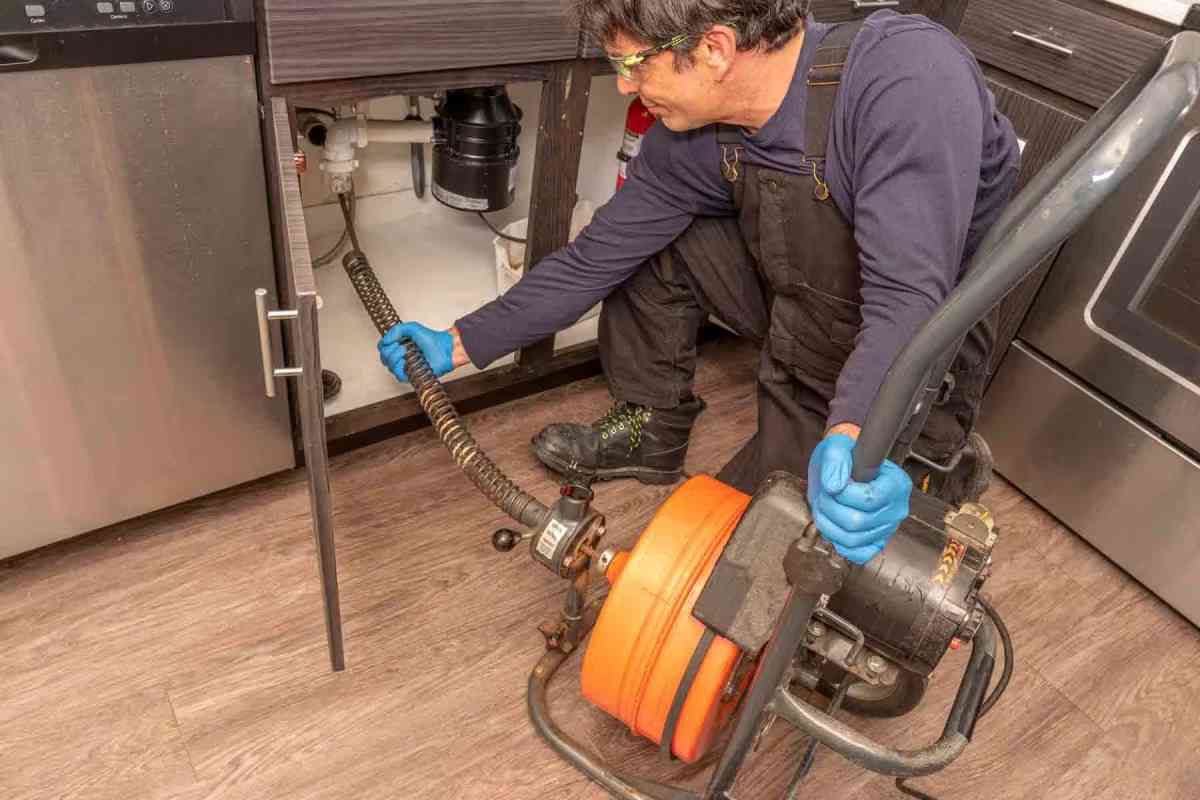
Let’s talk about drain cleaning. Not the DIY stuff where you pour something nasty down your sink and pray.
I’m talking about when actual professionals show up at your door with their fancy tools and knowledge.
Look, we’ve all been there.
The water in your shower pools around your ankles.
Your kitchen sink takes forever to drain. You try the plunger, you try those store-bought chemicals, and nothing works.
That’s when you finally cave and call the pros.
But what actually happens when they arrive? Most folks have no clue what goes on during a professional drain cleaning visit.
So I’m gonna break it down for you, no fancy plumbing jargon, just the straight facts about what these pros do to get your water infrastructure flowing again.
Tips What Happen During A Professional Drain Cleaning Visit
So you’ve scheduled a pro to come fix your stubborn drain.
Smart move. These folks handle nasty clogs day in and day out, including drain cleaning in Connecticut for homeowners dealing with persistent blockages.
They’ve seen everything from massive hairballs to kids’ toys wedged in pipes.
Nothing surprises them anymore.
A typical drain cleaning visit isn’t just some guy showing up with a bigger bottle of Drano.
It’s actually a whole process, from figuring out what’s wrong to testing everything works right when they’re done.
The good ones make sure they solve the actual problem, not just push it further down the line.
Initial Inspection and Assessment
First thing that happens? They ask questions. Lots of questions.
When did you notice the problem? Which drains are affected? Any weird noises or smells? They’re not being nosy – they’re gathering clues.
Then they look around.
They check your fixtures, peek under sinks, maybe even head outside to look at your main drain line access points.
Good plumbers are basically drain detectives at this point.
They might run some water to see how slowly it drains or if it backs up in weird places.
All this detective work helps them figure out if you’ve got a simple clog, a bigger blockage deeper in your system, or something more serious like a broken pipe.
This step matters because it stops them from wasting time on the wrong solution.
If they just started snaking every drain without figuring out the real problem, they might miss something important.
Use of Specialized Tools
Once they know what they’re dealing with, out come the tools.
And trust me, these aren’t your hardware store plungers and plastic snakes.
Professional plumbers bring serious equipment.
Different sized drain snakes (they call them augers) for different pipes.
Powerful drain cleaning machines that can rip through almost anything. Hydro-jetters that blast pressurized water to scour pipes clean.
A pro might pull out something called a closet auger for toilet clogs.
For kitchen sinks, they might use a sink machine with special cutting heads. For main sewer lines, they bring the big guns – heavy-duty sewer machines with long cables that can reach way down into your pipes.
What makes their tools better than anything you can buy? Power, reach, and specially designed heads that can actually cut through roots or break up solid waste without damaging your pipes.
In this context, drain cleaning tools matter a lot – the right tool means the difference between a quick fix and a recurring problem.
Video Camera Drain Inspection
This is the cool part. Many pros now use tiny waterproof cameras attached to flexible cables.
They feed these down your drains to see exactly what’s happening inside your pipes.
It’s like a colonoscopy for your plumbing service – not pretty, but super helpful.
The camera shows real-time video on a monitor, letting the plumber see everything: cracks, tree roots, buildup, lost jewelry, toy cars… whatever’s lurking down there.
Some cameras even have transmitters that show exactly where a problem is located, so they don’t have to guess or dig up your whole yard to find it.
Camera inspections save time and money because the plumber can spot the exact issue instead of making educated guesses.
They might find that what seemed like a simple clog is actually a sagging pipe section or a root intrusion that needs different treatment.
The best part? You can watch too.
Seeing the inside of your pipes might gross you out, but it helps you understand what they’re about to fix and why it costs what it costs.
Clearing Blockages
Now for the main event – actually clearing whatever’s blocking your pipes.
For simple clogs near the drain opening, they might start with a hand auger.
For tougher stuff, they break out the power equipment.
A drain machine has a cable with different attachment heads – spiral blades, retrievers, or cutters – chosen based on what they think is clogging things up.
The plumber feeds this cable into your drain, spinning it to cut through or grab the blockage.
Sometimes you hear that satisfying “thunk” when they hit the clog, then the glorious sound of water finally draining properly.
For really stubborn blockages or pipes with lots of buildup, they might use hydro-jetting.
This shoots highly pressurized water through your pipes, blasting away years of gunk, grease, mineral deposits, and even tree roots.
It’s like power washing but for the inside of your pipes.
What makes this different from you pouring chemicals down the drain? Professional methods actually remove the clog instead of just dissolving part of it.
And they don’t rely on hyper-concentrated chemicals that can damage older pipes or harm the environment.
Thorough Drain Cleaning
After the main blockage is gone, good plumbers don’t just pack up and leave.
They do a thorough cleaning of the affected pipe sections.
This might mean running the auger multiple times to make sure the line is completely clear.
Or they might flush the system with water to push any remaining debris all the way through your pipes and into the main sewer line.
Some pros use enzymatic cleaners after clearing the physical blockage.
These contain good bacteria that eat organic matter like soap scum, food particles, and grease.
Unlike harsh chemical cleaners, these are safe for your pipes and keep working for days after application.
The goal is to not just clear the immediate clog but clean the pipe walls too.
If your drain is like a straw with milkshake stuck to the sides, just poking a hole through the middle won’t prevent it from clogging again soon.
You need to clean those walls too.
Safety and Preventive Checks
A professional drain cleaning visit isn’t just about fixing what’s broken right now – it’s about preventing future problems.
While they’re there, good plumbers check for warning signs of bigger issues.
They look for slow drains in multiple fixtures, which might signal a main line problem.
They notice water stains, warped flooring, or musty smells that could indicate leaks.
They check your water quality pressure and keep an eye out for corroded pipes.
They also take safety seriously.
When working with older pipes, they adjust their techniques to avoid causing damage.
They’re careful about cross-contamination between kitchen and bathroom drains.
And they make sure any chemicals they use are handled properly.
Many will check your water pressure, look at your water heater connections, and make sure your shut-off valves are working – all little things that could prevent big emergencies down the road.
Final Testing and Professional Advice
Before they leave, professionals test everything to make sure it’s working right.
They run water through all affected drains, checking for proper flow.
Sometimes they’ll do a final camera inspection to confirm the line is completely clear.
Then comes the advice part. A good plumber doesn’t just fix your problem – they teach you how to prevent it from happening again.
They might tell you about what not to put down your drains (hint: “flushable” wipes aren’t really flushable).
They might recommend regular maintenance to keep things flowing, like running hot water down your kitchen drain after doing dishes.
If they spotted other potential issues during their visit, they’ll let you know what to watch for and what maintenance might save you money down the road.
Maybe your main line needs regular cleaning because of tree roots, or perhaps your old galvanized pipes are showing signs of trouble.
Good plumbers give you this advice not just to sell more services, but because preventing problems is always cheaper than fixing emergencies.
Conclusion
So that’s what really happens during a professional drain cleaning visit.
It’s not just someone showing up with a bigger plunger – it’s a systematic process to identify, clear, clean, and prevent drain problems.
Sure, you’ll pay more than you would for a bottle of drain cleaner.
But you’re getting something totally different: actual removal of the blockage, inspection for underlying issues, professional-grade cleaning, and expert advice on preventing future problems.
The next time your drain starts gurgling or slowing down, you might try the DIY route first.
No judgment there. But when that doesn’t work, at least now you know exactly what you’re getting when you call in the pros.
And trust me, when it comes to the nasty stuff lurking in your pipes, sometimes it’s worth every penny to let someone else handle it.