

Most homeowners in places like Red Deer think about their plumbing exactly twice a year, when something stops working, and when they’re buying or selling a home.
The rest of the time, it runs quietly in the background, taken completely for granted.
That’s understandable. But it’s also the reason so many plumbing problems that could have been caught early end up becoming expensive emergencies. A small leak in a wall cavity. Corrosion building in a pipe junction.
A water heater approaching the end of its service life. None of these announce themselves until they’ve already caused significant damage.
A professional plumbing inspection is how you find those problems before they find you, and understanding what one covers helps you appreciate why it’s worth scheduling proactively, not just reactively.
What a Plumbing Inspection Actually Checks
A thorough residential plumbing inspection isn’t a quick visual walk-through. It’s a systematic assessment of every accessible component of your home’s water supply and drainage systems, looking for current problems, developing issues, and conditions that are likely to cause problems in the near future.
Water supply system inspection covers the incoming water line, main shutoff valve, pressure regulator, and supply pipes throughout the home.
Water pressure is tested, both excessively high pressure and inadequately low pressure indicate problems that should be addressed.
Pipe material and condition are assessed, with particular attention in older homes where galvanised steel or polybutylene pipes may be deteriorating.
Fixture and appliance checks examine every plumbing fixture, sinks, toilets, bathtubs, showers, for leaks, proper function, and secure installation.
Appliances connected to the plumbing system, including the water heater, dishwasher, and washing machine connections, are inspected for correct installation, condition, and signs of wear or leakage.
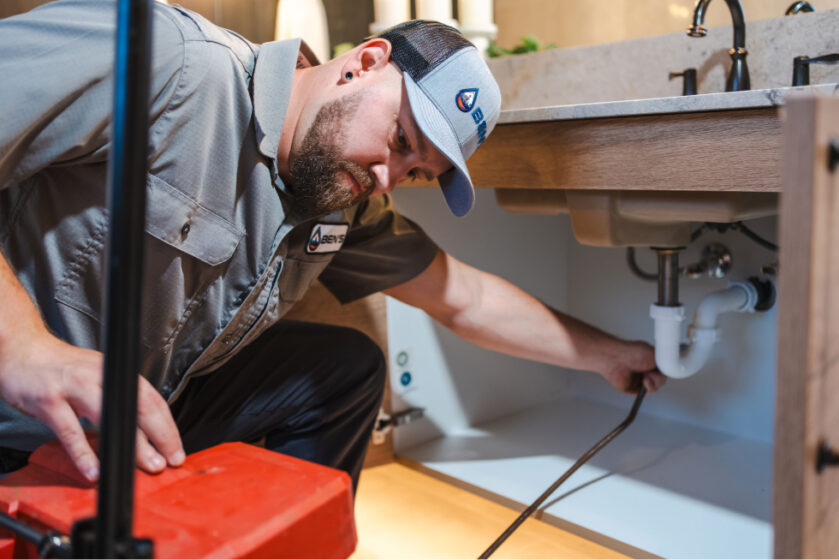
Drain and waste system assessment checks that drains are flowing freely, that p-traps are correctly installed and sealed, and that the drain-waste-vent system is functioning as designed.
Slow drains, gurgling sounds, and odours can all indicate developing problems in the drain system that are much simpler to address before they become blockages or backups.
Water heater evaluation is one of the more practically valuable parts of a plumbing inspection.
Water heaters have a typical service life of eight to twelve years, but they deteriorate in ways that aren’t always visible until they fail or leak.
An inspection checks the age, condition, pressure relief valve function, anode rod status, and any signs of corrosion or sediment buildup.
Visible pipe condition throughout accessible areas, basement, crawl space, utility areas, is assessed for signs of corrosion, physical damage, improper repairs, or conditions that create risk of leakage.
Why Proactive Inspection Pays for Itself
The financial case for regular plumbing inspections is straightforward once you look at the cost comparison honestly.
A professional inspection costs a fraction of what any significant plumbing repair costs.
A water heater replacement is several hundred to over a thousand dollars.
A burst pipe that damages flooring, walls, and structural elements can cost tens of thousands. A sewer line issue that’s caught in early-stage root intrusion is far cheaper to address than one that requires emergency excavation.
Beyond the direct repair cost comparison, there’s the insurance dimension.
Many homeowners’ policies have coverage limitations or exclusions for damage caused by gradual leaks or pre-existing conditions.
A home where plumbing issues have been identified and left unaddressed may face coverage challenges that a well-maintained home doesn’t.
According to the Investopedia, about one in 60 insured homes has a property damage claim caused by water damage or freezing each year.
Regular inspection and maintenance is the most effective single strategy for reducing exposure to this category of loss.
When a Plumbing Inspection Is Particularly Important
While regular inspection every few years makes sense for any home, certain situations make it especially valuable:
- Before purchasing a home — a plumbing inspection as part of the pre-purchase due diligence process reveals conditions that affect the value and the cost of ownership going forward
- In homes over fifteen to twenty years old — the service life of many plumbing components means that older homes carry higher inspection value than newer ones
- After any significant weather event — freeze-thaw cycles, flooding, or significant ground movement can all create plumbing damage that isn’t immediately visible
- Before listing a home for sale — identifying and addressing plumbing issues before listing prevents the surprises that derail sales negotiations
- When purchasing a rental property — plumbing condition directly affects maintenance costs, tenant satisfaction, and liability
What Good Residential Plumbing Service Looks Like
A plumbing inspection is only as valuable as the inspector conducting it. The things that distinguish a thorough, trustworthy plumbing service from a cursory one include:
- A systematic, documented approach — not just a visual walk-through but a checklist-based assessment that produces a written report
- Honest reporting that distinguishes between current problems, developing conditions, and recommended improvements
- Clear pricing for any repairs identified, provided before work is authorised
- Appropriate licensing and insurance — particularly relevant for regulatory compliance in provinces like Alberta
For homeowners in central Alberta, having access to reliable residential plumbing services in Red Deer can make a significant difference when dealing with region-specific plumbing and heating challenges.
Brads Plumbing & Heating brings local experience with the climate conditions, building types, and common system issues that affect homes across the Red Deer area.
What Homeowners Can Do Between Inspections
Professional inspections are the foundation of good plumbing maintenance, but there are practical monitoring habits that help homeowners catch issues between professional visits:
- Check under sinks periodically — monthly is not excessive; slow leaks at drain connections and supply lines are common and easy to catch early
- Know where your main shutoff is and confirm it works — a shutoff valve that’s seized is a serious problem in an emergency
- Monitor your water bill — an unexplained increase in water consumption often indicates a leak somewhere in the system
- Listen for running water when no fixtures are in use — audible water movement in pipes when the house is quiet can indicate a leak or a running toilet
- Check the water heater annually — look for rust, moisture around the base, and confirm the pressure relief valve is functional
Conclusion
Plumbing is one of those systems that rewards proactive attention and punishes neglect in roughly equal measure.
The homes with the lowest lifetime plumbing costs aren’t those that were built better, they’re the ones where owners paid attention, scheduled inspections, and addressed developing issues before they became emergencies.
A residential plumbing inspection isn’t a luxury or an optional extra.
For any home, and especially any older one, it’s a routine investment in the health of the property and the peace of mind of the people living in it.
Schedule one before you have a reason to, because by the time you have a reason to, the cost has already gone up.