

When you look at a house, the roof might just seem like a cap on top. But it’s actually working hard all day, every day.
Your roof does way more than just keep rain off your head.
It’s quietly helping your home stay comfortable while saving you money on your electric bills.
Many homeowners overlook the importance of this structure, but companies like Roofs for Life, Inc. understand that a properly maintained and well-designed roof is crucial to creating a comfortable and energy-efficient home.
Let’s pull back the curtains and see what your roof is really up to when nobody’s looking.
9 Hidden Role Your Roof Plays in a Comfortable and Energy-Efficient Home
Your roof is kind of like the hat your house wears, but it’s a really smart hat.
It shields your home from sun, rain, and snow while secretly doing a bunch of other jobs too.
From keeping your home at just the right temperature to helping your air conditioner work less, your roof is a key player in how comfortable and efficient your home feels.
Regulates Indoor Temperature
Your roof is your first line of defense against heat from the sun.
Think about how hot it gets when you stand in direct sunlight versus shade.
Your roof works the same way for your whole house.
Dark roofs soak up heat like a sponge.
Light-colored ones bounce it back into the sky. In hot places like Arizona or Florida, a white or reflective roof can make your house up to 50 degrees cooler than a dark one! That’s why you see so many light-colored roofs in sunny states.
Want to make your roof even better at keeping your house cool? Look into “cool roof” materials next time you need a replacement.
They’re specially made to reflect more sun and absorb less heat, kind of like putting your house under a big beach umbrella.
Enhances Insulation Performance
A good roof team works with your insulation like best friends. They stick together to keep warm air where you want it.
Your attic sits right under your roof, and that’s where a lot of your home’s heat escapes in winter or sneaks in during summer.
A well-built roof system creates a pocket of protection with your insulation. It’s like wearing both a windbreaker and a sweater on a cold day – they work better together.
One thing most folks don’t know is that you need air space between your roof and insulation for it to work right.
Without that gap, moisture gets trapped and can ruin your insulation’s effectiveness.
A pro roofer knows exactly how to set this up so everything works as it should.
Reduces HVAC Energy Consumption
When your roof does its job well, your heating and cooling systems get to take it easy. It’s that simple.
If your roof leaks air or soaks up too much heat, your air conditioner has to run longer and harder.
That’s like trying to cool a room with the windows open – it just wastes energy.
A tight, well-designed roof system can cut your cooling costs by up to 15%.
I’ve seen old, worn-out roofs replaced with new energy-efficient ones, and the homeowners couldn’t believe the difference in their electric bills.
Sometimes the savings are enough to pay for the new roof over time. Not bad for something that’s just sitting on top of your house!
Improves Ventilation and Airflow
Your roof needs to breathe, and so does your house.
A smart roof design moves air in and out in just the right ways.
Air gets trapped in your attic when it’s hot.
Without proper vents, that space can hit 150 degrees in summer! This hot air pushes down into your living areas, making your AC work overtime.
Good roof ventilation creates a flow that pushes this super-heated air out and draws cooler air in.
Ridge vents along the top of your roof work with soffit vents under your eaves to create natural air movement. No electricity needed – just smart design working with physics.
If your attic feels like an oven in summer, better roof ventilation might be the answer.
Protects Against Moisture and Humidity
Water is sneaky. It can slip through tiny cracks you can’t even see and cause big problems inside your home. Your roof is on guard duty 24/7.
A good roof system doesn’t just block rain – it manages moisture in all forms. Even on dry days, warm air in your home carries water vapor that tries to escape upward.
If it hits a cold roof surface, it condenses like water on a cold soda can. This hidden moisture can rot wood and grow mold if your roof system isn’t designed right.
Proper roof design includes layers that keep liquid water out while letting water vapor escape. It’s like wearing a rain jacket that blocks rain but lets your sweat evaporate.
This balance is super important for keeping your home healthy and avoiding costly repairs down the road.
Minimizes Noise Pollution
Ever notice how loud rain sounds on some roofs but not others? Your roof material can make a huge difference in keeping outside noise where it belongs – outside.
Metal roofs can amplify rain sounds (though some people find this soothing). Asphalt shingles absorb sound better. But the real noise-fighting happens in the whole roof system – the decking, insulation, and air spaces all work together to muffle outside sounds.
If you live near an airport or busy street, upgrading your roof with acoustic insulation during your next replacement can make your home significantly quieter.
It’s like putting earmuffs on your whole house.
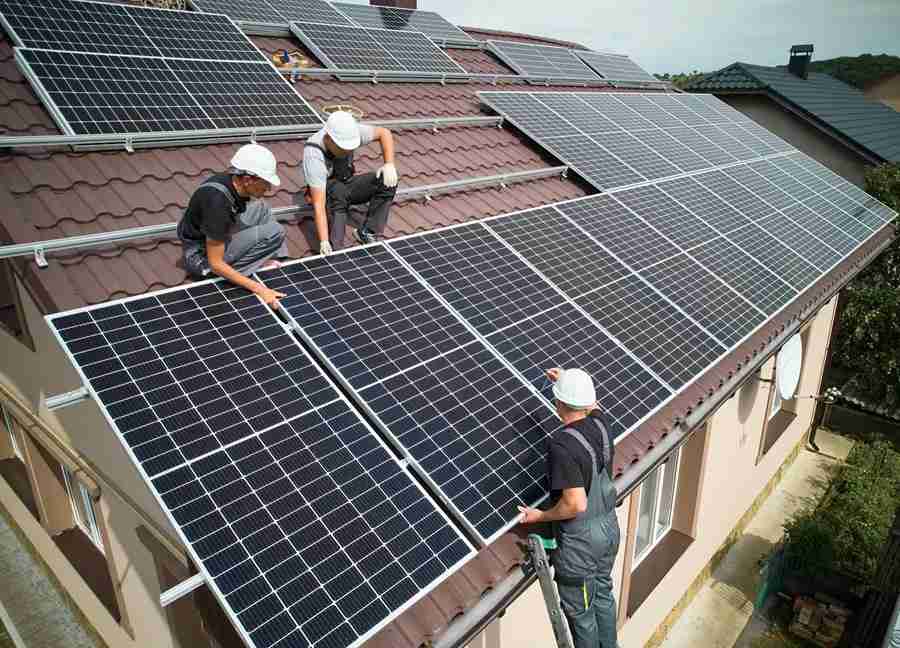
Supports Solar Energy Efficiency
Your roof can be more than protection – it can be a power plant too. But not all roofs are created equal when it comes to solar potential.
The direction your roof faces makes a huge difference in solar panel output.
South-facing roof sections (in the Northern Hemisphere) get the most sun throughout the day.
The angle matters too – usually matching your location’s latitude gives optimal year-round production.
Even if you’re not ready for solar panels today, thinking about solar-readiness during roof replacement is smart.
Some roofers can install mounting points while the roof is open, saving you money later. And some new solar shingles actually replace traditional roofing materials, looking much sleeker than bulky panels.
Impacts Natural Lighting
Your roof isn’t just about keeping light out – it can also be about letting the right light in.
Natural light makes homes feel more open and saves on electric bills.
Skylights and sun tunnels are like windows for your roof.
They bring sunshine into interior spaces that wall windows can’t reach. A small skylight can brighten a bathroom or hallway so much you might not need electric lights during the day.
The trick is balancing light with heat. Too many skylights can make temperature control difficult.
New “smart” skylights have tinting or shades built in, letting you control exactly how much sun comes through. It’s like having adjustable sunglasses for your house.
Contributes to Overall Home Durability
Your roof is the bodyguard for everything underneath it. When it fails, the damage can spread throughout your home.
A solid roof protects your walls, foundation, and everything inside from water damage.
It shields your home’s structure from UV rays that break down building materials. It even helps your siding and windows last longer by taking the brunt of weather extremes.
The shingles or tiles are just the outer layer – what’s underneath matters just as much.
Quality underlayment, proper flashing around chimneys and vents, and correctly installed ice and water shields make the difference between a roof that lasts 30+ years and one that fails early.
It’s worth spending a bit more for these hidden components that keep your whole house safe.
Conclusion
Your roof is quietly working hard every day to keep your home comfortable, efficient, and protected. It’s not just about stopping leaks – it’s about managing temperature, moisture, energy, and even noise. Taking care of your roof is really taking care of your entire home.
Next time you pull into your driveway, take a minute to appreciate that guardian above your head.
It’s doing more than you might think to keep your home cozy and your energy bills in check.
And when it’s time for repairs or replacement, remember that investing in quality roofing is investing in your whole house’s health and efficiency for years to come.