
Modern homes are being shaped by more than appearance.
Homeowners now expect spaces that look refined, function smoothly, and respond to concerns about energy use, environmental impact, and comfort.
The future of home design is not about choosing between beauty and performance. It is about combining both.
The strongest examples of modern residential architecture bring together planning, smart technology, and sustainable decisions in ways that make everyday life easier while also creating homes that hold their value over time.
Why Modern Residential Architecture Is Evolving
Residential design is changing because the people living in these homes are asking more from them. They want flexibility, efficiency, and spaces that feel current without becoming dated too quickly.
Many modern residential architects in Florida are responding to this shift by creating homes that fit the climate, support daily routines, and reduce waste.
This is why modern residential architecture continues to evolve. It has to reflect changing lifestyles, rising energy expectations, and a stronger interest in homes that are built to perform as well as they look.
Smart Design Starts With How the Home Functions
A smart home does not begin with an app or a control panel. It begins with a plan that makes sense for real life.
Good layouts improve movement, privacy, storage, and comfort before any technology is added. Open living areas, flexible rooms, built in storage, and better transitions between shared and private spaces all make a home easier to use.
The best architectural designs support the routines of the people inside them. When function leads the process, the result is a home that feels intuitive instead of forced.
Technology Is Becoming Part of the Architectural Experience
Technology is now being considered earlier in the design process. Instead of being added after construction, smart lighting, climate control, security systems, and energy monitoring can be integrated into the architecture itself.
This makes the home feel more seamless and less cluttered.
A well designed system should support convenience without becoming the visual feature of a room. In the best projects, technology disappears into the background while still improving comfort and efficiency. That quiet integration is becoming a defining feature of forward looking residential spaces.
Sustainability Is No Longer Optional
Sustainability has moved from a bonus feature to a core design standard. Homeowners and architects understand that better building practices reduce long term costs and create healthier living environments.
Energy efficient windows, passive solar planning, strong insulation, water conscious landscaping, and durable materials all support that goal. Sustainable thinking also affects orientation, ventilation, and shading, especially in climates where heat and humidity matter.
Modern residential architecture now depends on making responsible decisions early, not treating sustainability as an extra layer added at the end.
Style Still Matters, but It Looks Different Now
Style still plays a major role in how a home is experienced, but current design priorities are less focused on flashy statements.
Today, lasting appeal comes from balance, proportion, texture, and natural light. Many homeowners are drawn to architectural styles that feel clean and modern, yet still warm and welcoming. That means simple forms, restrained palettes, and materials that create depth without visual clutter.
Successful homes feel polished, not cold. They reflect confidence through clarity rather than excess.
Materials Are Doing More Than Ever Before
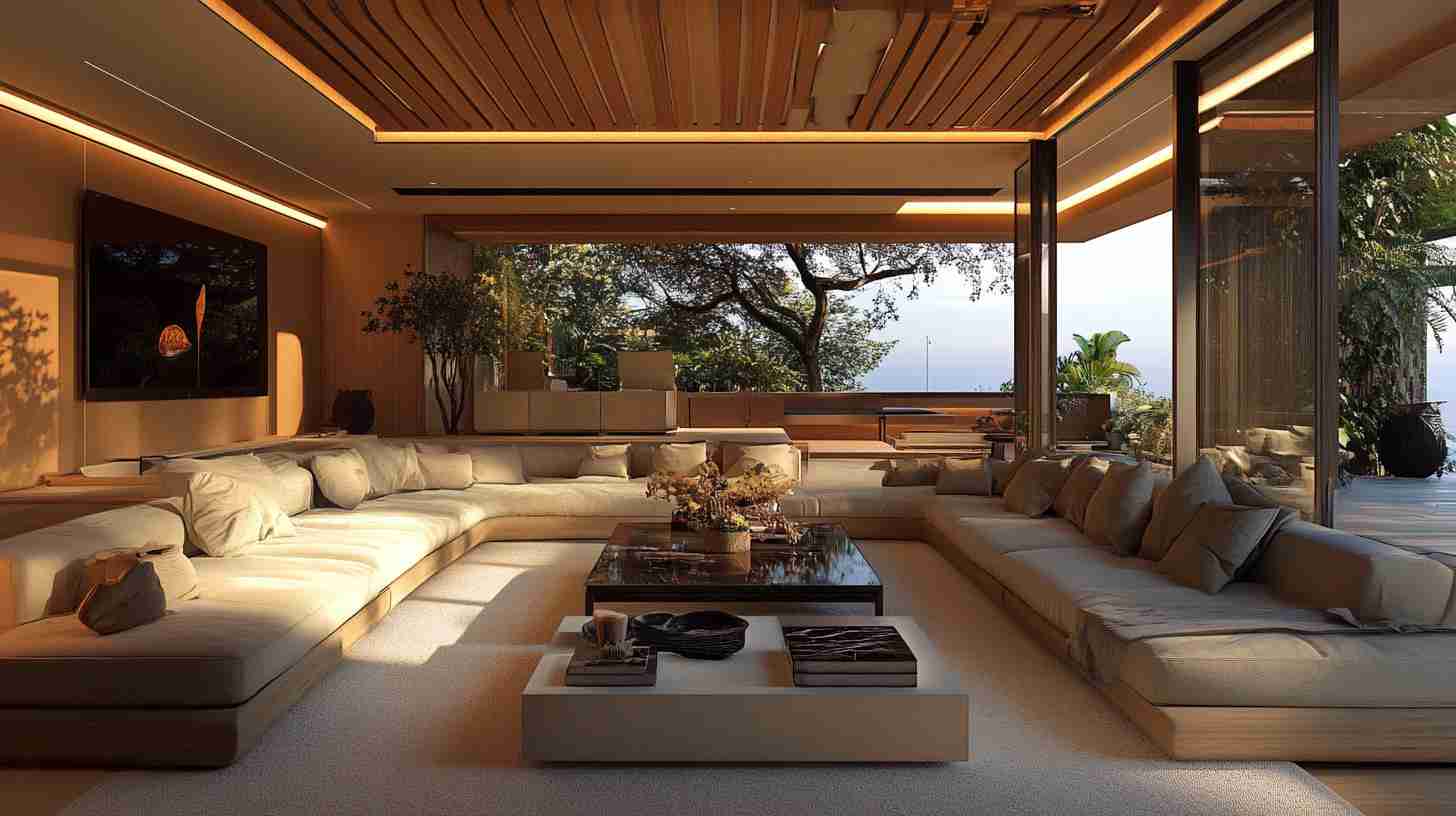
Materials now carry both visual and technical responsibility. Wood can soften a modern structure, while glass can bring in light and strengthen the connection to outdoor space.
Concrete, steel, stone, and high performance composites can add durability and reduce maintenance over time.
Choosing materials is no longer only about appearance. It is also about energy performance, lifespan, and how the home will age.
The best architectural designs use materials with intention, allowing them to support style, sustainability, and practicality at the same time.
Flexibility Will Define the Homes of the Future
Homes now need to adapt to changing needs more easily. A room may serve as an office today, a guest room later, and a study area after that.
Families also think more carefully about aging in place, multigenerational living, and indoor outdoor spaces that extend usable square footage.
Flexible planning gives homeowners more value because the home can evolve with them. This adaptability is becoming central to modern residential architecture because it helps homes stay relevant, functional, and comfortable over many years.