
A home feels different when it reflects the place around it.
The light, the landscape, and even the climate all shape how a space should look and function. When design responds to these elements, the result feels natural and comfortable.
This approach is central to thoughtful practices such as Jackson Hole interior design, where the environment guides every decision from layout to material selection.
Understanding the Landscape
Every location offers its own character. Mountains, forests, coastlines, and open plains all influence how a home should sit within its surroundings.
Designers often begin by observing these natural features, looking at how the land moves, where the light falls, and how seasons change over time.
This understanding helps shape the structure of the home.
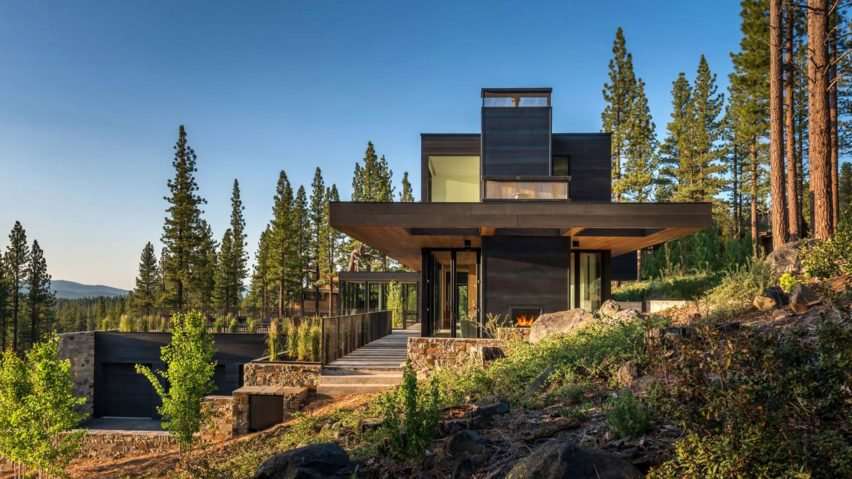
Windows may frame specific views, while outdoor spaces can extend living areas into the landscape. The goal is to create a connection that feels seamless rather than forced.
When a home responds to its environment in this way, it becomes part of the setting rather than standing apart from it.
Letting Light Lead the Design
Natural light plays a key role in how a space feels throughout the day.
It changes with the time of year and the position of the sun, creating different moods and experiences within the home.
Designers consider how light enters each room and how it moves across surfaces.
Large windows, skylights, and carefully placed openings allow light to reach deeper into the space. At the same time, shading and orientation help manage brightness and heat.
By working with natural light instead of against it, a home can feel more open, balanced, and in tune with its surroundings.
Choosing Materials That Belong
Materials help connect a home to its environment.
Natural finishes such as wood, stone, and metal often reflect the colors and textures found outside. When used thoughtfully, they create a sense of continuity between interior and exterior spaces.
These materials also age over time, developing character that adds to the story of the home.
This process can make the space feel more grounded and authentic as it evolves.
Selecting materials that suit the local climate is equally important.
Durable choices help ensure that the home remains comfortable and functional through changing conditions.
Creating Flow Between Indoors and Outdoors
A strong connection to the surroundings often comes from how easily you can move between indoor and outdoor spaces.
Patios, decks, and terraces extend living areas, making it possible to enjoy the environment more fully.
Large doors and open transitions can blur the boundary between inside and outside.
When these elements align with the layout of the home, they create a natural flow that enhances everyday living.
This connection encourages people to spend more time outdoors while still feeling connected to the comfort of the interior.
Designing for Daily Life
While the landscape provides inspiration, the home still needs to support daily routines. A well-designed space balances beauty with practicality, ensuring that it works for the people who live there.
Layouts that consider movement, storage, and functionality help create a space that feels easy to use.
Kitchens, living areas, and private spaces should all connect in a way that supports both activity and rest.
When design aligns with daily life, the home becomes more than a visual experience. It becomes a place that supports comfort and well-being.
Reflecting a Sense of Place
Homes that feel connected to their surroundings often share a strong sense of identity. They reflect the character of the region while also expressing the preferences of the people who live there.
This balance comes from thoughtful choices in design, materials, and layout.
Each decision contributes to a space that feels both personal and grounded in its environment.
Over time, this connection can deepen, creating a home that feels truly rooted in its location.
A More Meaningful Living Experience
Designing with the surroundings in mind leads to a more meaningful experience of home. It encourages a deeper awareness of the environment and how it shapes daily life.
By paying attention to light, landscape, and materials, it is possible to create spaces that feel calm, connected, and lasting.
These homes support not only comfort but also a stronger relationship with the place they inhabit.
In the end, a home that feels connected to its surroundings offers more than shelter. It provides a sense of belonging that grows with time.