

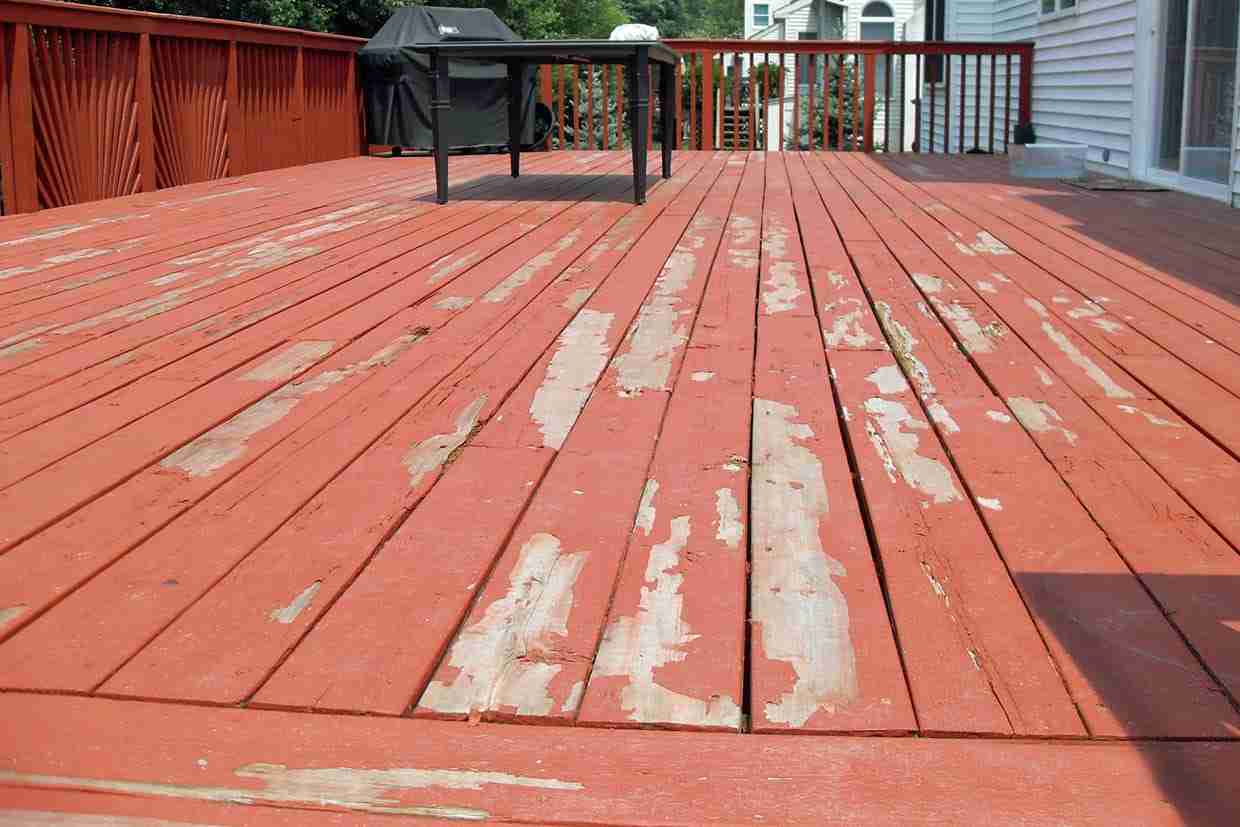
If you’ve got an old deck, you probably know the feeling: it still hosts great mornings and loud dinners, but one creak can send your brain straight to ‘replace everything’.
Let’s slow that down.
We’ll walk through a simple Deck Inspection Checklist that helps you judge Deck Structural Integrity (not just tired-looking decking).
Then we’ll use a moisture-based reality check that building-science researchers use to discuss decay. Finally, we’ll ground the Cost to Repair vs. Replace Deck decision with current resale benchmarks from a major industry report, including how modern options like dassoXTR fused bamboo decking can fit into a smart ‘resurface vs. rebuild’ plan.
One more reason to take this seriously, without getting gloomy: the U.S.
Consumer Product Safety Commission’s 2024 report on seniors found that falls make up 77% of all senior injuries in its analysis (an annual average of 2,453,500 fall injuries out of 3,177,300 total injuries, 2022–2023, estimated from NEISS emergency department data).
That’s why a stable, confidently walkable deck is a genuinely positive upgrade.
Creaks Don’t Equal Catastrophe
A deck can look rough and still be worth saving. The win is separating ‘surface wear’ from ‘structural risk’ so you can focus your money and effort where it matters.
Here’s the Deck Inspection Checklist I’d use before I priced a single board of replacement decking:
- Walk the deck slowly and note bounce, soft spots and any boards that flex independently of the others (a resurfacing clue) or feel spongy (a deeper concern)
- Grab the railing and shake it, then do the same with stair handrails and stair stringers; anything that moves like furniture needs attention before you host people
- Check connections you can see: posts at their bases, visible brackets and where the deck meets the house, because that junction often determines whether a revive is smart or short-lived
- Look for water patterns: staining under planters, areas that stay shaded and damp and spots where runoff consistently lands
- Don’t ignore the ‘small’ stuff like proud fasteners, cracked boards and splinters, because they’re easy to fix and they change how the space feels underfoot
If that checklist makes you think, ‘Okay, this is manageable’, good. If it flags a few big issues, that’s still a win because you’re now making decisions with clarity, not vibes.
It also helps to remember why steady footing matters in the first place: CPSC’s seniors report found senior ED-treated injuries increased from 3,302,900 (2018) to 3,520,400 (2023), using NEISS national estimates, and the same report highlights falls as the dominant hazard category.
A deck that’s solid, well-fastened and well-lit is an upgrade that supports everyone who uses it, including guests who aren’t as steady as they used to be.
Moisture is The Deal-Breaker
Once you’ve done the surface scan, the next question is less ‘How old is it?’ and more ‘How wet does it stay?’
That’s not just homeowner folklore.
A USDA Forest Products Laboratory publication on decay conditions notes a widely used rule of thumb: wood ‘will not decay below 20% moisture content’, there’s a ‘grey area’ between 20% and 30%, and decay is understood to occur above about 30% moisture content.
This is where Deck Structural Integrity becomes a practical concept instead of a scary one.
If the framing and connection areas can realistically stay dry enough going forward, a revive plan can hold up.
If the deck’s structure keeps living in the wet zone, it doesn’t matter how pretty the stain is; you’ll be revisiting the same problems.
So the ‘save it’ mindset isn’t about denial. It’s about solving the water story.
That might mean improving drainage around the deck, stopping splashback, keeping gaps clean so debris doesn’t trap moisture or rethinking where planters and rugs sit for weeks at a time.
And yes, sometimes the right call is Deck Resurfacing: keep a sound frame, replace tired decking boards and upgrade the feel without rebuilding the whole platform.
If you’re considering an alternative material during resurfacing or a rebuild, this is also the moment to do it.
Fused bamboo can be a compelling deck alternative aesthetically, and fused bamboo decking often appeals to homeowners who want something different from standard wood or composite, but the key is still performance in your climate and layout. (Afterthought: whichever material you like, make sure the installation details support airflow and drainage, because moisture management is what decides longevity.)
In some regions, fire performance becomes part of that ‘fit for your home’ conversation too.
Some products are marketed as class A fire rated, and if that’s on your priority list, it’s worth checking the manufacturer documentation and your local code requirements before you buy.
Spend Like a Grown-Up
Now we get to the part everyone wants: Cost to Repair vs. Replace Deck.
You don’t need to be a contractor to make a smart call here, but you do need a grounded reference point so you’re not guessing in a vacuum.
Zonda’s 2025 Cost vs. Value Report, published in January 2026, lists a national average wood deck addition at $18,263 with $17,323 in value recouped, a 94.9% cost recovered at resale.
The same report lists a national average composite deck addition at $25,096 with $22,199 in value recouped, an 88.5% cost recovered.
Zonda describes its approach as combining surveyed input from real estate professionals with cost data from Zonda/Verisk’s XactRemodel, and it reports data across 115 U.S. markets.
What does that mean for your old deck? Decks are still a ‘worth taking seriously’ project, and you can approach the decision with optimism.
If your inspection says the structure is sound and moisture issues are fixable, repairing key elements or doing Deck Resurfacing can be the kind of targeted spend that improves daily life while still respecting resale value benchmarks.
If your inspection says the structure is compromised, replacing can be the responsible move that buys you safety, fewer repeat repairs and a fresh start on design.
And when you’re replacing anyway, that’s when an alternative material like fused bamboo decking may make sense to explore alongside conventional options, because you’re already investing in the foundation of the space.
Here’s the question I like to end this stage with: when you step outside in April, what do you want your deck to do for you, besides ‘not be a problem’?
Your Deck’s Second Act
A good ‘revive or replace’ decision isn’t a leap. It’s a sequence.
Start with the Deck Inspection Checklist so you know what’s cosmetic and what affects Deck Structural Integrity.
Then evaluate the moisture reality using the 20% and 30% thresholds building-science research discusses.
Finally, weigh your options against the real-world resale benchmarks Zonda publishes for wood and composite decks.
The most positive outcome is simple: you end up with a deck that feels stable, looks intentional and fits how you actually live outside, whether that’s a careful repair, a smart Deck Resurfacing plan or a full rebuild with a deck alternative you’re excited about.
So before you default to ‘replace everything’, ask yourself one last thing: what if your old deck is only a few good decisions away from being your favourite spot again?