
Most backyards have potential, but not all of them are used to their fullest.
Maybe you have a patio that only gets attention during the occasional barbecue, or a patch of grass that feels more like leftover space than something intentional.
The good news is, you don’t need a huge yard or a full renovation to make it more functional.
By thinking in terms of zones, you can turn your outdoor area into a space that actually supports your daily life.
A multi-zone setup can let you enjoy hosting friends and family without making your backyard feel crowded or overdesigned.
What Is a Multi-Zone Outdoor Living Space?
A multi-zone outdoor living space is a backyard that’s been divided into purposeful areas.
Instead of treating the entire space as a single open layout, you create sections designed for specific activities, such as dining, lounging, or cooking.
It’s similar to how your home is organized. Indoors, each room serves a purpose.
Outdoors, you can take the same approach, even if you’re working with a smaller space.
The goal isn’t to add more, but to use what you already have in a smarter, more intentional way.
6 Steps to Build a Multi-Zone Outdoor Living Space
Turning your backyard into a multi-zone space is easier when you follow a clear process. These six steps will guide you from planning to execution:
Step 1: Start With How You Actually Use Your Backyard
Before making any changes, take a step back and think about how you’d like to use your outdoor space.
It’s easy to get caught up in design ideas, but the most successful layouts are built around real habits and needs.
Start by identifying your priorities; maybe you want a place to enjoy meals outside or a comfortable seating area for evenings.
It also helps to think about how frequently you’ll use each part of the space.
A cozy corner you’ll enjoy every day is often more valuable than a large setup used only a few times a year.
When you’re building an outdoor living space, this kind of planning makes a big difference.
It ensures that your backyard feels natural and functional, rather than something that looks nice but doesn’t quite fit your lifestyle.
Step 2: Define a Few Functional Zones
Most backyards benefit from a few core spaces. A dining area creates a natural spot for meals and gatherings, especially if it’s positioned close to your home.
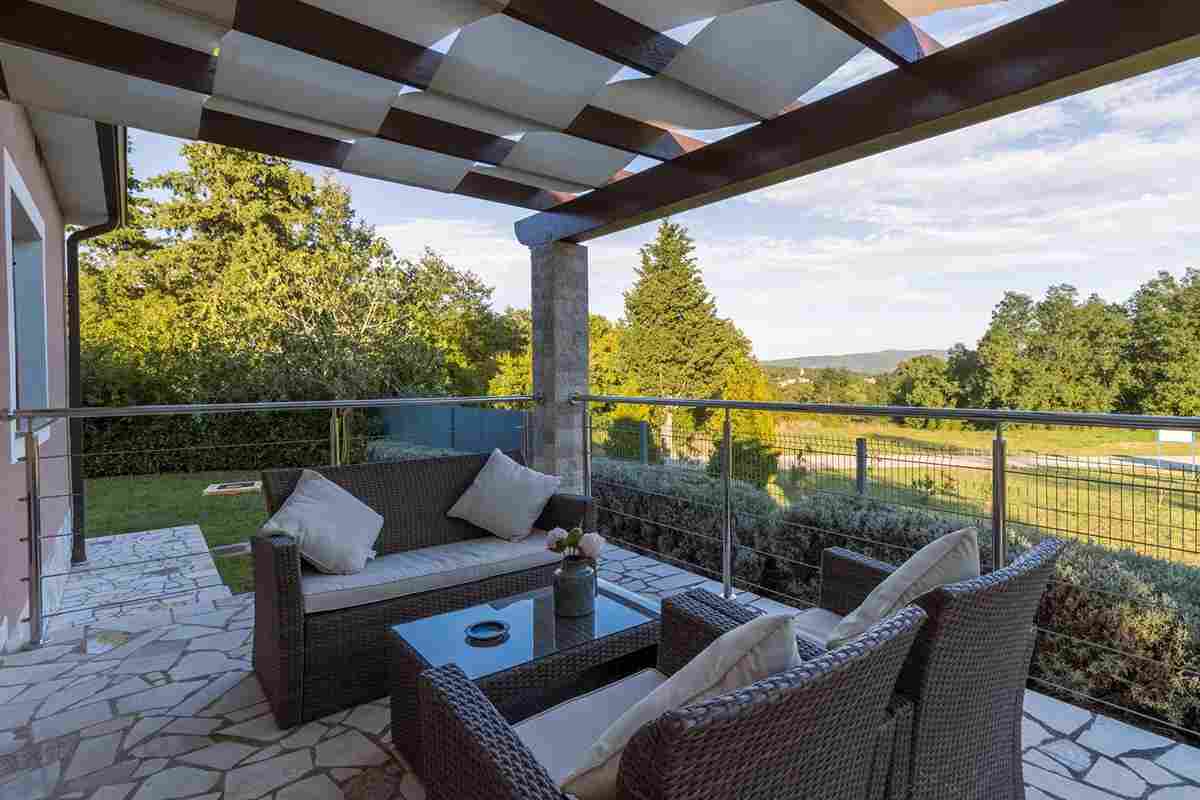
A lounge area, with comfortable seating and perhaps a fire feature, gives you a place to relax and unwind. If you enjoy cooking outdoors, adding a dedicated grill or kitchen space can make the experience much more convenient.
Depending on your needs, you might also include a flexible zone. This could be a small play area for kids, a quiet reading nook, or even a corner filled with plants for a more peaceful, garden-like feel.
The key is to keep things balanced. Each zone should have a clear purpose without making the space feel overcrowded.
Step 3: Create a Natural Flow Between Spaces
Simple elements like pavers, stepping stones, or changes in flooring can help guide movement from one area to another.
You’ll also want to make sure there’s enough room to walk comfortably between spaces, without having to navigate around furniture or obstacles.
Visual consistency plays a big role here, too. Using similar materials, colors, or textures across your backyard helps tie everything together. This way, even though your space is divided into zones, it still feels like one cohesive environment.
Step 4: Use Subtle Design Elements to Define Each Area
Hard surfaces like patios or decks can help define specific areas, while softer elements like plants and garden beds add a natural sense of structure.
You can also use pergolas or shade covers to visually anchor certain zones and make them feel more intentional.
These design choices don’t have to be dramatic. Often, the most effective layouts use small, subtle changes to create a sense of organization.
Step 5: Plan for Comfort and Year-Round Use
Adding shade through umbrellas, pergolas, or covered areas is ideal for warmer months. Lighting is just as important, especially if you plan to use the space in the evenings. A mix of string lights, pathway lighting, and soft accent lights can create a warm and inviting atmosphere.
For cooler weather, features like fire pits or outdoor heaters can extend how often you use your backyard. These elements not only add comfort but also create natural gathering points within your layout.
Step 6: Choose Materials That Fit Your Lifestyle
The materials you choose will shape both the look and the long-term maintenance of your outdoor space.
If you prefer something low-effort, durable materials like composite decking or weather-resistant furniture can save you time and upkeep.
On the other hand, natural materials like wood or stone can add warmth and character, even if they require a bit more maintenance.
It’s all about finding the right balance for your lifestyle. You’ll also want to think about how your backyard connects to your home.
Choosing materials and colors that complement your house helps create a seamless transition between indoor and outdoor spaces.
Common Mistakes to Avoid
It’s easy to get carried away when designing a multi-zone backyard, but a few common missteps can affect how well the space works.
- Trying to include too many zones: Cramming in too much can make your backyard feel cluttered instead of functional.
- Ignoring scale and proportions: Oversized furniture in a small space (or the opposite) can throw off the entire layout.
- Poor lighting planning: Without proper lighting, your space becomes difficult to use once the sun goes down.
- Lack of a clear focal point: Each zone should have something that anchors it, like a dining table, seating arrangement, or fire feature.
Keeping your design simple and intentional will almost always lead to a more comfortable and usable outdoor space.
Endnote
With a bit of planning, you can easily turn your backyard into a practical and inviting multi-zone living space.
Start with a few simple zones, pay attention to flow and comfort, and build from there.
Over time, even small changes can make a big difference in how your backyard looks and feels.