

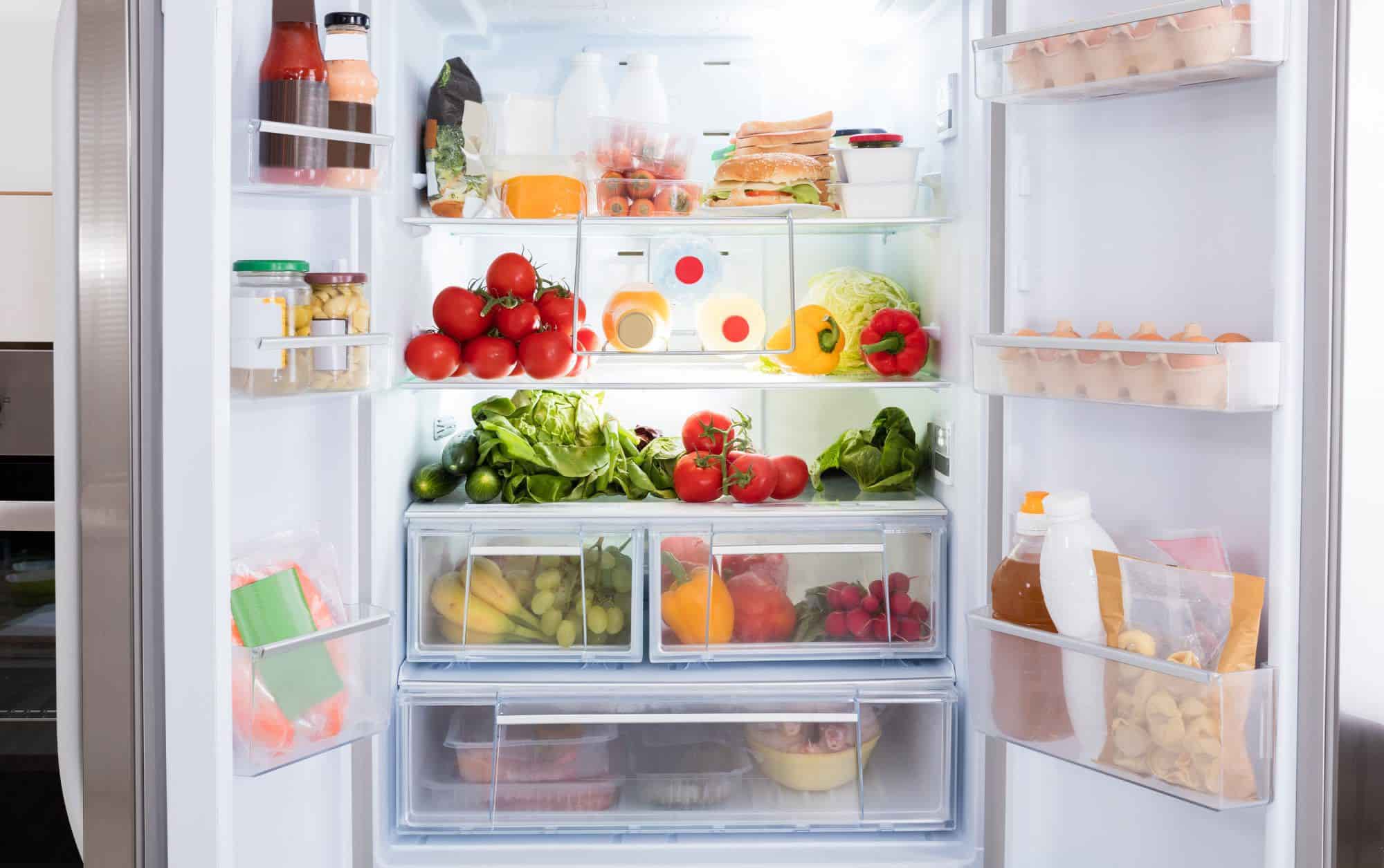
Let’s be honest. We’ve all done that weird fridge dance. You know the one. Where you’re trying to shove in grocery bags while playing an awkward game of Tetris with leftovers, vegetables, and that jar of pickles that somehow keeps migrating to the front. Your fridge shouldn’t feel like a jigsaw puzzle every time you open it.
A messy, overcrowded fridge isn’t just annoying — it costs you money. Food gets forgotten, spoils in hidden corners, and suddenly you’re tossing out cash along with that mystery container from two weeks ago.
But here’s the good news: fixing your fridge chaos doesn’t require a degree in organizational science. With a few simple tweaks to how you arrange things, you can transform your refrigerator from a cold, cramped cave into a space that actually works for you.
Stop Running Out of Space in Your Kitchen Fridge
Think about how much time you spend opening your fridge each day. It’s probably one of the most-used appliances in your home. Yet somehow, we treat it like a cold storage dumping ground.
The problem isn’t usually that your fridge is too small. The problem is how you’re using the space. When you organize your refrigerator properly, you might be shocked at how much extra room suddenly appears.
Let’s go through six practical ways to reclaim your fridge space and stop playing that frustrating game of refrigerator Jenga every time you need to grab something.
Declutter and Remove Expired Items
First things first. Your fridge probably has stuff in it right now that doesn’t need to be there. Condiments that expired during the last presidential administration. Half-empty jars of specialty items you used once for a recipe. That mysterious container in the back that nobody wants to open.
The easiest way to make space is to get rid of what shouldn’t be there. Try this: once a week, do a quick five-minute scan before your grocery shopping trip. Check dates on dairy products, toss any withered produce, and be ruthless with leftovers older than four days.
Some foods don’t even need refrigeration but take up valuable cold space. Onions, tomatoes, potatoes, garlic, and many fruits actually taste better and last longer at room temperature. That bottle of hot sauce with enough vinegar to survive the apocalypse? It’s fine in your pantry.
While upgrading to a luxury fridge might seem like the answer, even the fanciest refrigerator will get crowded if you’re storing items that don’t need to be there.
Set a recurring reminder in your phone for a monthly deep extra clean. Take everything out, wipe down the shelves, and only put back what truly deserves the real estate. It’s weirdly satisfying to close your fridge door on a clean, organized home where you can actually see everything.
Use Clear Storage Bins and Containers
Imagine opening your fridge and immediately seeing everything you have. No digging, no forgotten items, no “I could have sworn we had more yogurt.”
Clear storage ideas are absolute game-changers for fridge organization. They’re like creating little departments in your refrigerator. You can designate specific bins for different categories: one for cheeses, one for yogurts and dips, one for fruits, one for veggies.
The key benefit is that these bins let you pull out entire categories at once. Need something from the back? Just slide out the whole bin instead of playing that dangerous balancing game with jars and containers.
These bins also create hard boundaries in your fridge. When your cheese bin is full, it’s a clear signal that maybe you don’t need to buy more cheese this week (no matter how tempting that special aged gouda looks).
For leftovers, ditch the mismatched collection of containers with missing lids. Invest in a set of stackable containers in various sizes with the same lid style. Square or rectangular containers stack more efficiently than round ones and save tons of space.
When everything has a designated home, you’ll notice you can fit more in while still keeping it organized. Plus, you’ll waste less food because nothing gets shoved to the back and forgotten until it’s growing its own ecosystem.
Adjust and Maximize Shelf Height
Here’s something most people never think about: those shelves in your fridge aren’t fixed in place. Almost every refrigerator has adjustable shelves, but we tend to leave them exactly where they were when the fridge was delivered.
Take a good look at what you actually store. Do you have tall items like milk jugs or wine bottles that barely fit? Or maybe you have lots of short items creating wasted space above them?
Rearranging your shelves to match what you actually store can instantly create more usable space. Try creating one area with more vertical space for those tall items, while keeping other shelves closer together for shorter items like eggs and leftovers.
Another trick is using shelf inserts or stackable fridge shelves. These simple platforms create an extra level within your existing shelves. They’re perfect for stacking cans, yogurt cups, or other short items that would otherwise waste the vertical space.
The bottom drawer doesn’t have to just be for produce either. If you find yourself rarely using it for vegetables (maybe because they get forgotten down there), repurpose it for something else. Maybe it becomes your beverage zone or meal prep container area.
Remember that the perfect fridge arrangement might change with the seasons or your eating habits. Be willing to experiment until you find a setup that works for how your household actually uses the refrigerator.
Store Food in the Right Zones
Your refrigerator isn’t just a cold box — it’s actually got different temperature zones. Using these zones correctly keeps your food fresher longer and helps with organization.
The back of the fridge is usually coldest, making it perfect for dairy and meats. The door is the warmest part (it gets hit with room temperature air every time you open it), so it’s best for condiments and juices that don’t spoil easily.
Upper shelves maintain a more consistent temperature, making them great for ready-to-eat foods like leftovers, drinks, and snacks. Lower shelves are colder and ideal for raw ingredients that need to stay fresh longer.
Those crisper drawers at the bottom aren’t just random storage — they’re designed with adjustable humidity levels. Most vegetables need higher humidity (the drawer closed tighter) while most fruits prefer lower humidity (the drawer slightly open).
Another smart practice is keeping raw meats on the bottom shelf. This isn’t just for organization — it’s a safety issue. If a package leaks, it won’t contaminate foods below it.
Creating designated zones also makes grocery unpacking faster. You’ll know exactly where that new jar of mayonnaise goes instead of shoving it wherever there’s space, only to forget about it later.
Think about how you use your fridge, too. Keep your most-used items at eye level so you don’t have to hunt for them. Store similar items together — all your breakfast foods in one area, dinner ingredients in another. Your future hungry self will thank you.
Use the Door Wisely
The refrigerator door is prime real estate that often gets cluttered with rarely-used items. Since it’s the warmest part of your fridge, it’s best for items that can handle slight temperature fluctuations.
Condiments, salad dressings, and nut butters are perfect door candidates. Butter and soft cheeses can also live happily here. What shouldn’t go in the door? Milk and eggs — despite many fridges having egg and milk compartments built into the door.
Most refrigerator doors have adjustable bins too. Take advantage of this by configuring them to match what you actually use. Need more tall bottle space? Adjust accordingly. Have lots of small jars? Create a section with shorter clearance.
A common door mistake is letting it become a chaotic jumble of half-empty bottles. Be ruthless about combining duplicates (do you really need three nearly-empty ketchup bottles?) and tossing anything you haven’t used in months.
Try this trick for door organization: keep similar condiments together. Group all your Asian cooking ingredients in one section, sandwich spreads in another, and salad dressings in a third. This makes meal prep faster since you can grab everything you need in one go.
The door is also a great place to store tracking systems for leftovers or meal planning. A small whiteboard or magnetic notepad can help you keep track of what needs to be used up soon.
Rotate and Follow the “First In, First Out” Rule
Grocery stores use a stocking technique called “FIFO” — First In, First Out. It’s how they make sure older products get sold before newer ones. You can use this same principle in your fridge to reduce waste.
When you bring home new groceries, resist the temptation to put them right at the front. Instead, move older items forward and place new ones in the back. This simple habit ensures you use up food before it spoils.
For leftovers, try a “use by” system. Use masking tape and a marker to label containers with the date they should be eaten by. Place the ones that need to be eaten soonest at the front at eye level where they can’t be missed.
Another rotation trick is designating an “eat this next” bin. When items are approaching their use-by date, put them in this special container so everyone in the household knows these foods should be prioritized.
Weekly meal planning also helps with rotation. Before shopping, take inventory of what needs to be used up and plan meals around those ingredients. You’ll waste less food and save money too.
Remember that different foods have different shelf lives in the refrigerator. Milk might last a week, while hard cheeses can go for a month or more. Knowing these timeframes helps you decide what needs to be used first.
The rotation method takes a bit more time upfront but quickly becomes habit. The payoff is less wasted food, more space, and the satisfaction of a well-managed fridge.
Conclusion
A well-organized refrigerator isn’t just about looking pretty when you open the door (though that’s a nice bonus). It’s about saving money, reducing waste, and making your daily life easier.
Start small. Pick just one or two of these strategies to try this week. Maybe begin with a thorough cleanout, then add clear bins for your most cluttered shelf. Once those habits stick, move on to implementing zones or the rotation system.
Remember that the perfect fridge organization system is the one that works for your specific needs and habits. A household with kids might need different zones than a couple who rarely cooks at home. A meal-prepper needs different storage solutions than someone who shops daily.
Give yourself permission to experiment until you find what works. Your fridge should make your life easier, not more complicated. With these simple strategies, you can transform your refrigerator from a source of frustration into a helpful tool that supports your lifestyle.
The best part? You don’t need fancy equipment or a brand new refrigerator to make these changes. Just a little time, some clear bins, and the willingness to break old habits. Your future self, reaching easily for exactly what they need in a clean, organized fridge, will thank you.