

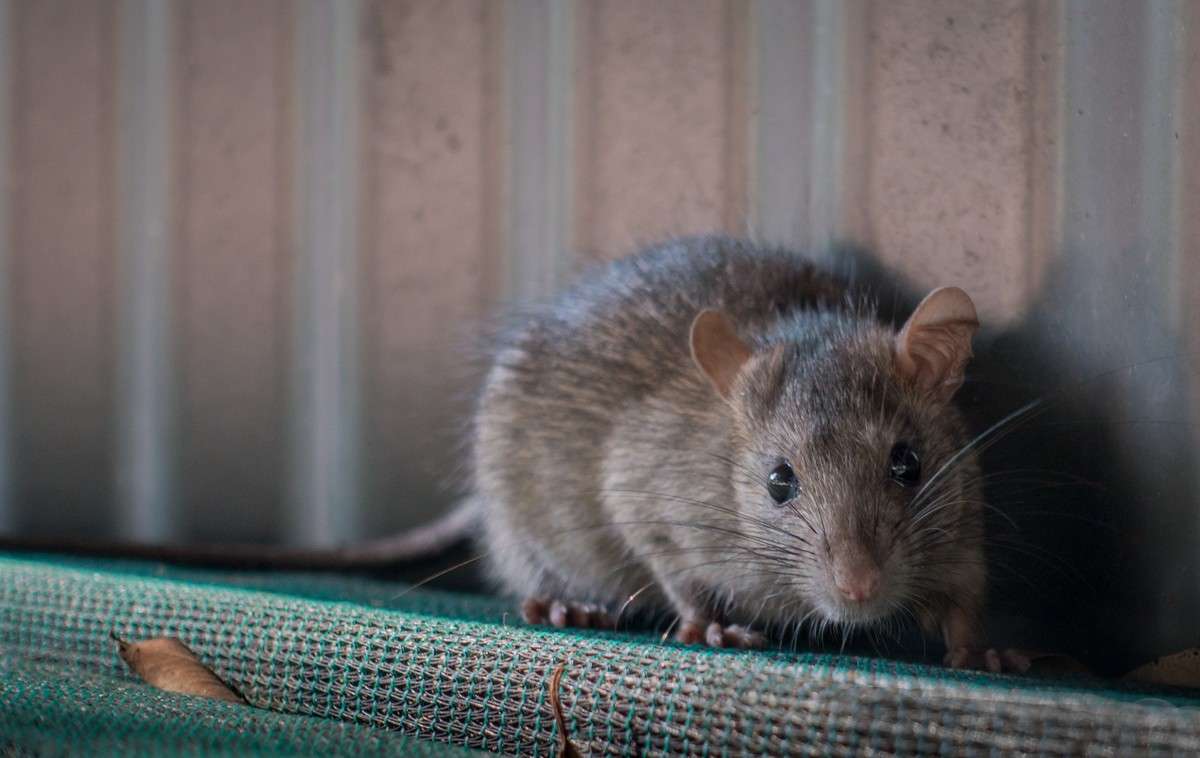
Rodents can become uninvited guests in any home.
They may seem harmless, but they bring multiple dangers with them, like diseases, damaged homes, etc.
Therefore, it is important to keep your home safe from them. Humane rat removal takes a gentler approach that not only treats infestations but also protects your home and pets.
This method destroys rodents without causing unnecessary harm, which will make the atmosphere safer for everyone involved.
Why Rodents Pose a Threat
Mice and rats frequently carry bacteria and viruses that can be passed to humans and pets living in a house.
Droppings, urine, and fur invade your surfaces, food supplies, and even air quality.
Rodents can carry diseases such as leptospirosis or salmonella, which makes many pet owners nervous about their furry friends’ health.
On top of that, rodents are notorious for chewing on wires and furniture, leading to hazards and costly repairs.
Traditional Versus Humane Removal Methods
Traditionally, rodent infestation was controlled by killing them with poisons and traps.
Although these provide a quick fix, they are painful and give rise to secondary hazards. For instance, pets may accidentally consume poisons, or traps set in the house could hurt them.
On the other hand, humane rodent removal employs non-lethal traps and exclusion methods to trap rodents alive and transport them to a safe area.
This approach reduces harm and further unintended exposure to people and pets inside the house.
Protecting Pets From Secondary Hazards
Most of the traditional rodent control items have chemicals that remain toxic for many days after being used.
These products are easily accessible to dogs, cats, and other animals and can be potentially toxic to them.
Humane removal avoids the chemical agents that can harm humans and pets, utilizing physical barriers or live-capture tools instead.
The absence of hazardous materials makes this approach safe for all members of the household.
Long-Term Prevention Strategies
Part of the humane removal of rodents is prevention. Rodent control experts focus on locating the places rodents use to enter the home, and then blocking these entryways, enclosures, or holes, so that they cannot gain access to your home again.
Keeping the area free of rodents is ensured by sanitation, secure food storage, and routine inspections. These methods not only address the present problems but also prevent newer pests from making a home in certain areas.
Preventative measures mean that homeowners can relax, knowing their environment will remain safe for years to come.
Environmental Responsibility and Ethics
Choosing humane methods for rodent removal shows respect for all creatures.
This method acknowledges rodents as part of the ecosystem but enforces limits between their habitation and people.
Animal welfare and human welfare are prioritized by humane practices. This responsibility helps to prevent suffering and fosters a harmonious relationship with nature.
Healthier Homes for Families and Animals
A rodent infestation poses several health risks to each household.
Rodents can cause allergies, respiratory issues, and bites. Humane removal targets the source of the problem and does not involve bringing harmful chemicals into your home.
This can also create a healthier environment, including cleaner air, less contaminated surfaces, and secure food storage.
Knowing that your kids and pets are protected from any harm provides peace of mind to the families.
Community and Social Benefits
When one family chooses to avoid cruelty with humane rodent removal, others in the community also follow the lead.
When neighbors come together to address infestations in a cooperative manner, it minimizes exposure to danger for everyone in the region.
It minimizes the use of harmful chemicals, therefore, protecting local fauna, water supplies, and any public areas.
Communities become safer and more pleasant places to live with ethical choices.
Conclusion
Humane rodent removal is the ideal way to avoid rodent infestations while protecting your family, children, and pets from harmful methods or chemicals.
Using gentle and effective approaches also helps the environment and tackles the root cause of the problem.
This method not only deals with the current problem, but also safeguards families from future infestation.
This approach keeps the communities safe and provides a better place to live.