

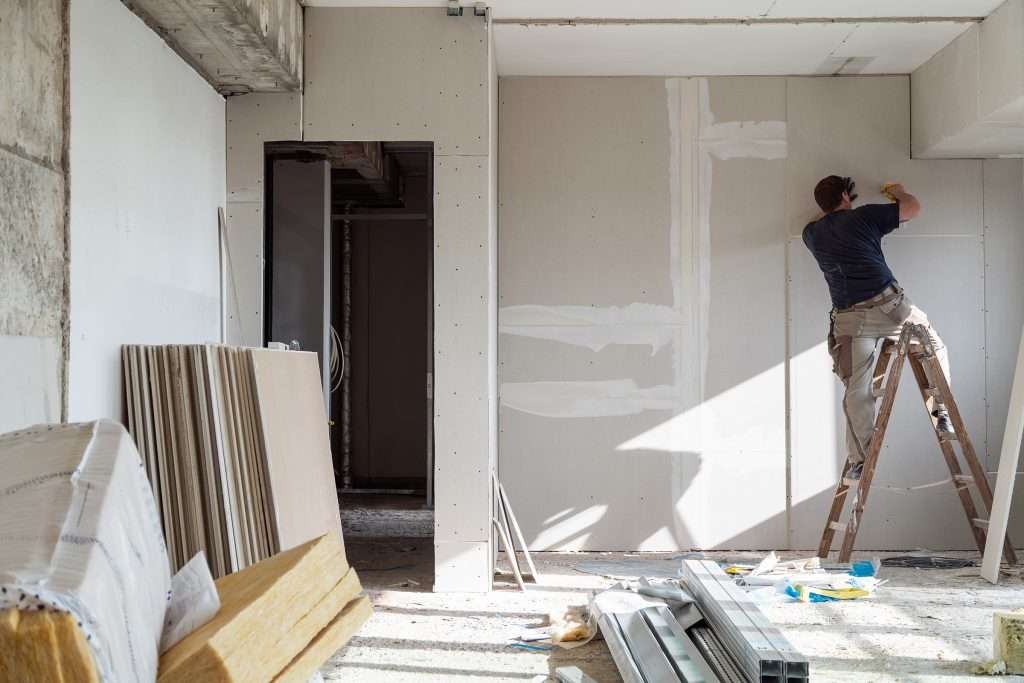
When you’re building a new home or renovating, you’re likely joining forces with general contractors.
These experts ensure your vision comes to life and your home project goes well from start to finish.
The process of completing the job typically involves many steps. If you’re new to it, you may get lost or confused.
However, don’t worry; this piece will help you understand the timeline, so you know what to expect in every project.
The Initial Consultation
Every building project should begin with a thorough consultation.
You must first contact a trusted general contractor, as a professional will give you the initial walkthrough.
Expect a friendly, no-pressure conversation about the project and a brief overview of their services.
During the consultation, discuss what exactly needs to be done and why, especially for remodels.
Describe what ‘done’ means to you and the budget you’re willing to invest in.
The consultation is also the best time to identify if you and your chosen contractor are a good team for the project. It pays when your vision and your specific requirements make sense.
Consider experienced general contractors serving Washington DC or other areas near you.
Local experts have a better understanding of building regulations, the terrain, and the climate. You can expect polished results that respect the historic context and evolving needs of the local neighborhoods.
Site Visit and In-Person Evaluation
After the initial consultation, the general contractors will schedule a visit to the construction site.
Here, they’ll have a comprehensive walkthrough of the property to assess the project space and take measurements.
This step is essential for understanding the layout and scope of work.
In this step, feel free to ask questions. The contractors will do the same to ensure every detail of the project is accounted for.
Discuss any potential challenges and structural considerations to help the general contracting team prepare.
Scope Planning
Next comes the initial planning phase. What happens here could either make the project run smoothly or go awry.
So, it’s best to coordinate well with the people helping you.
In this step, the design team and general contractors work closely with you to ensure the project is practical yet within budget.
They’ll consider your vision and the technical aspects, including structural components and energy efficiency.
What you should expect from this step are discussions about layouts and design preferences. You may also be given more detailed plans about the project, such as sketches, blueprints, and even 3D visualizations (if available).
Estimate and Proposal
After planning conversations wrap up, the focus shifts to numbers and documentation.
This stage puts everything discussed into writing, giving you a picture of costs, timelines, and expectations.
The general contractor prepares a detailed estimate that outlines labor, materials, and permits.
You’ll also see how long each phase may take, which helps with scheduling and financial planning to pay for home renovations. This proposal acts as a reference point for the rest of the project.
Before moving forward, review the proposal closely and ask questions.
Clarifying scope details helps prevent misunderstandings later, especially regarding materials and payment schedules.
Project Agreement and Contract Signing
Once you and the construction management team agree on the budget and design, you’ll go into signing the contract.
A detailed contract with every part of the plan written down is vital.
It must include the project cost, construction techniques, and the expected start and completion date.
Contracts are important as they also protect you and the construction services from financial risks.
The document has clear details on pricing, terms, and payment schedules. It clarifies roles and responsibilities.
Construction projects often include multiple people working, such as inspectors, suppliers, and stakeholders.
The contract helps everyone understand their limitations, ensuring efficient collaboration and avoiding overlaps.
The contract serves as legal protection, too.
In case of disputes during the construction phase, a legal framework will be the resolution. Detailed agreements protect property owners and project managers by outlining dispute resolution mechanisms.
Project Kickoff
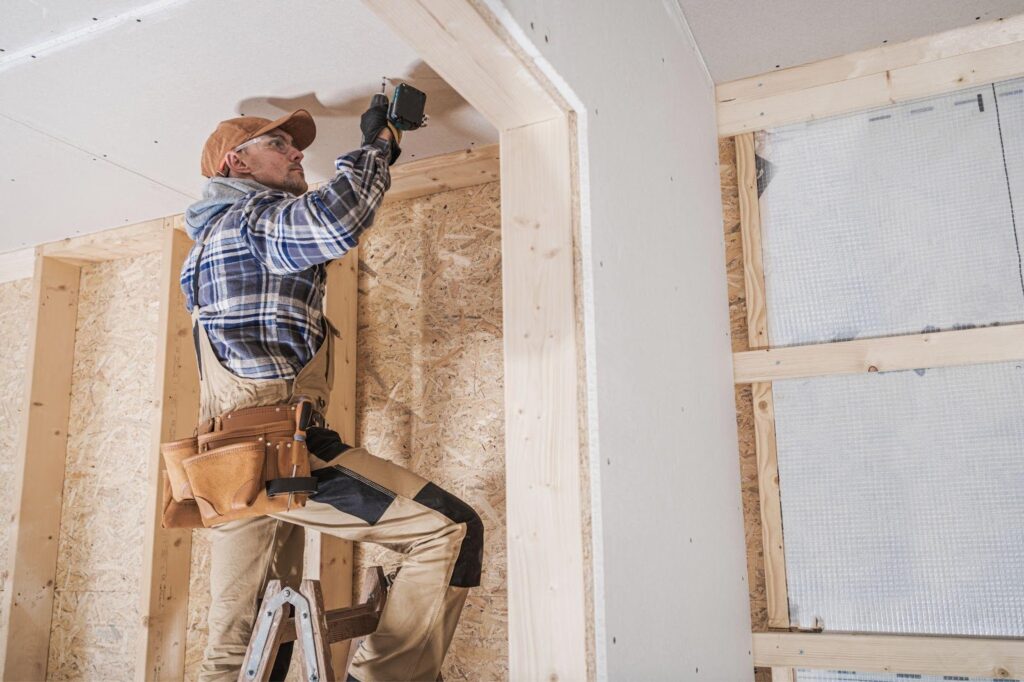
After approvals and contracts are signed, the project officially begins. This kickoff phase sets the tone for how communication and coordination will work moving forward.
The contractor schedules meetings with subcontractors and finalizes logistics such as site access and material deliveries.
You’ll often discuss points of contact, progress updates, and how issues like renovation mistakes will be addressed if they arise.
With everyone aligned, work starts with fewer surprises.
Clear expectations at this stage often lead to smoother progress once construction activities pick up.
The Final Stages
As the project nears completion, attention shifts from major construction tasks to finishing work.
This phase focuses on details that affect how the space looks and functions daily.
Punch lists come into play here. The general contractors walk through the site, noting remaining tasks, touch-ups, or corrections.
These smaller items might seem minor, but they shape the final result.
Regular check-ins continue during this period. Addressing concerns quickly helps keep the schedule on track and avoids delays right before completion.
Handover and Project Completion
The handover marks the transition from construction to occupancy.
During this step, the general contractors complete a final walkthrough with you to review the finished work.
You’ll receive documentation like warranties, manuals, and maintenance guidelines.
Any remaining questions about systems or materials usually get answered here.
Once everything meets the agreed scope, the project officially wraps up.
This final step closes the timeline and leaves you ready to use the space as planned.
Wrapping Up
The timeline for home construction or any building renovation project may seem long and winding. But when you know each step involved and what general contractors do in each one, it becomes more manageable.
Collaboration and clear communication are the heart of construction and renovation.
The whole process ensures everyone utilizes industry-leading approaches in such projects that create comfortable, safe, and livable homes.