

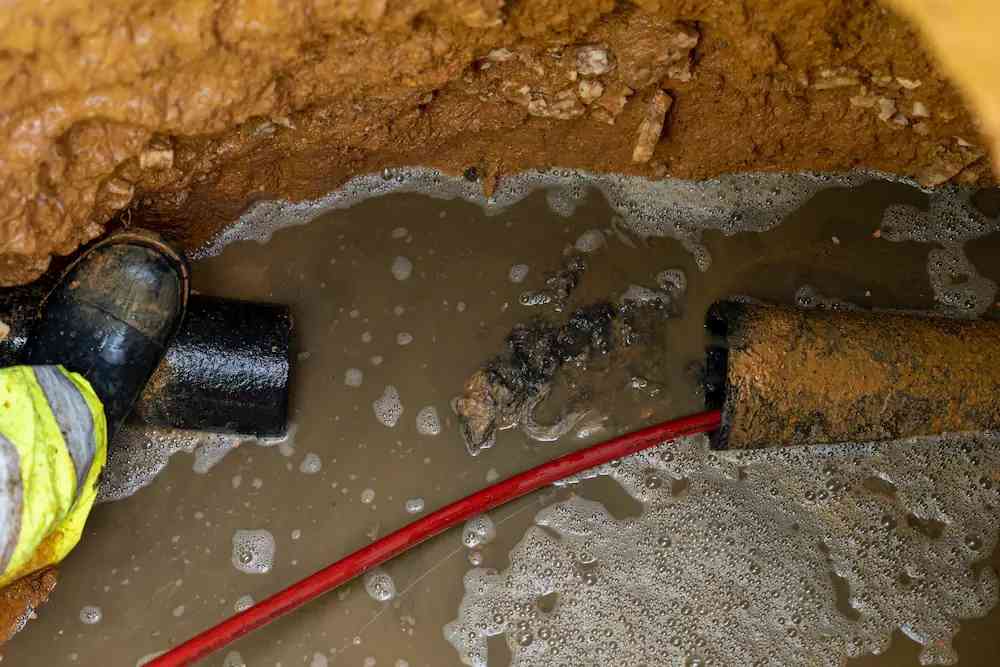
Most of us don’t think about our sewer line until something feels off.
Maybe the tub starts draining slower than usual, there’s a faint odor outside near the driveway, or multiple drains in the house begin acting up at the same time.
When your main line has an issue, it gets your attention quickly.
If you’re looking into sewer repair Winston Salem NC, you’ve likely heard about traditional digging, and something newer called CIPP. Let’s talk about what CIPP actually is, how it compares to excavation, and why many homeowners are choosing it.
What Is CIPP?
CIPP stands for Cured-In-Place Pipe. It’s a trenchless method used to repair damaged sewer lines from the inside. Instead of digging up the entire pipe, plumbers:
- Run a camera through the line to inspect the damage
- Clean the pipe thoroughly
- Insert a flexible liner coated in epoxy resin
- Inflate it so it molds to the inside of the existing pipe
- Cure it using heat or UV light
Once it hardens, that liner becomes a solid, seamless new pipe inside the old one.
There’s no full trench across your yard, and no tearing up driveways unless absolutely necessary. It’s essentially rebuilding the pipe without removing it.
Why It Makes Sense in Winston-Salem
Winston-Salem has a lot of beautiful, established neighborhoods. From West End to Ardmore to Buena Vista, many homes were built decades ago, and so were the sewer lines beneath them Older homes often have:
- Clay pipes that crack over time
- Cast iron pipes that corrode
- Jointed pipes that allow tree roots to enter
Add in mature trees and shifting soil, and you have a recipe for sewer line problems.
Traditional digging in these neighborhoods can mean cutting through landscaping, sidewalks, or even portions of driveways. That’s one reason trenchless methods are becoming more common plumbing for sewer repair Winston Salem NC, since they preserve what’s already there.
How Traditional Sewer Repair Works
Before trenchless technology, repairing a sewer line usually meant excavation. The plumber would:
- Dig a trench from the house to the street
- Remove the damaged pipe
- Install a new one
- Backfill and restore the area
It’s effective, and in some cases it’s still necessary, like when a pipe has completely collapsed.
However, you may lose sections of lawn, hardscaping, or irrigation systems during the process. Restoration becomes part of the overall cost.
Comparing the Two Approaches
Here’s the difference in simple terms:
Traditional Excavation
- Requires significant digging
- Can take several days
- May involve landscape repairs afterward
- Installs a brand-new pipe
CIPP (Trenchless Lining)
- Minimal digging
- Often completed in one day
- Preserves landscaping
- Creates a new structural pipe inside the old one
For many homeowners, the appeal of CIPP lies in less mess, less stress, and a faster turnaround.
Is CIPP Just a Patch?
CIPP isn’t a temporary fix. The resin-saturated liner bonds tightly to the existing pipe walls and cures into a rigid structure.
In many cases, it’s stronger than the original pipe material. It also eliminates joints, which means fewer opportunities for roots to push through later. When properly installed, CIPP can last decades.
When Excavation Is Still Necessary
CIPP works well when the pipe is damaged but still structurally intact. However, traditional digging may be required if:
- The pipe has completely collapsed
- There’s severe misalignment
- There are major sags (called “bellies”)
- The damage is too extensive for lining
A professional camera inspection will determine which solution makes the most sense.
Why Inspections Matter
If you live in an older home in Winston-Salem and have never had a sewer inspection, it’s worth considering, especially if you’re noticing recurring drain issues.
A camera inspection shows exactly what’s happening underground. For homebuyers, standard home inspections don’t automatically include sewer scopes. Knowing the condition of the line before purchasing can prevent a very expensive surprise later.
A More Thoughtful Approach to Home Maintenance
We spend time making our homes beautiful; selecting finishes, arranging furniture, planting gardens.
However, caring for the systems beneath the surface is just as important.
Fortunately, modern technology offers choices, and when you can solve a major underground problem without tearing up the yard you love, that’s something worth considering.