

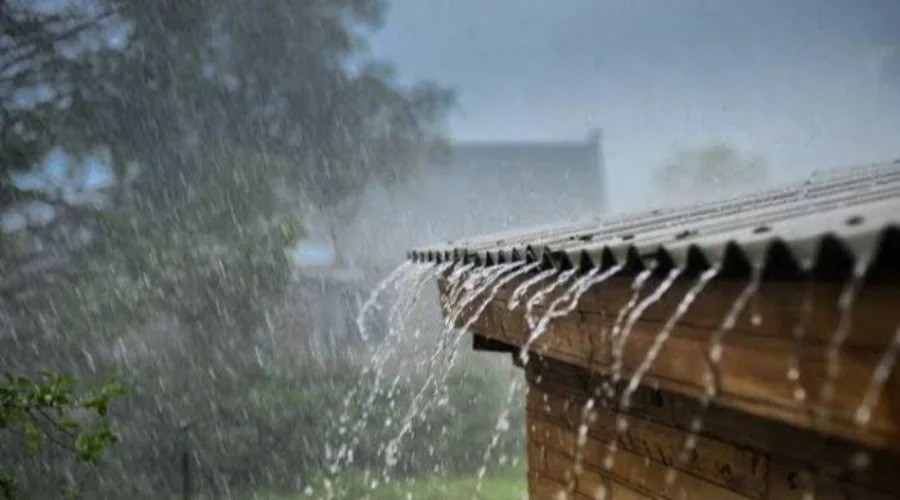
The rainy season has a way of messing up plans. The roads get slick, so errands feel like a mission.
The laundry takes forever to dry. You start paying more attention to what’s happening outside because everything feels unpredictable.
However, while the rain causes trouble outdoors, your home needs just as much care inside when it starts to pour.
Damp air can settle in, and the walls can start feeling cold and slightly wet. That musty smell from dampness starts to take over your house.
It can lead to mold and a space that no longer feels fresh. Here’s how to keep your home dry and comfortable all season long.
Reseal Doors and Windows
Rainwater can sneak into your home through tiny gaps around your doors and windows.
When that moisture enters the house, it makes the indoor air more humid.
It also leaves your floors vulnerable to damage.
Fortunately, resealing doors and windows is one of the easiest home repairs that can keep your house strong during rain.
A fresh layer of caulking fills in cracks. It prevents water from seeping in from the outside.
Check out all your windows and exterior doors. See if any of the caulk is worn or tearing apart.
Thoroughly remove the old material before applying a new layer. Smooth it down well to create a tight seal.
This prevents water from coming in, even during the windiest storms.
Invest in Dehumidifiers
Humidity can also linger in areas that are constantly wet.
That happens a lot in bathrooms and kitchens. That can make the air feel heavy and smell musty.
Moisture trapped in rooms can also lead to water damage. It can pretty much destroy wooden surfaces and drywall.
Using a dehumidifier in these spaces helps pull excess moisture from the air, keeping rooms dry.
Consider investing in high-quality dehumidifiers.
They don’t have to be expensive, just efficient.
Setting them up in rooms could potentially feel damp after the rain or certain errands. That might be near the laundry room or in the hallway outside the bathroom.
Adjust the settings so the room stays comfy without feeling overly dry.
You’ll prevent odors and mold growth while preserving your home’s integrity.
Run the AC to Remove Moisture
Indoor humidity can stick around long after it stops raining.
Thankfully, your air conditioner does more than cool your space. It also actively pulls moisture out of the air as it runs. That’s why regular HVAC maintenance is so important.
A well-maintained system runs efficiently and keeps your home comfy even on the wettest days.
Set the AC to run continuously when the humidity is high.
Keep vents clear and filters clean to see the best results. This will reduce indoor dampness and condensation on the windows and walls.
Let the Air Circulate
Stale air traps moisture from rain, which can lead to damp spots and musty smells throughout your home.
So, make sure the air circulates. Improve ventilation in your home by opening interior doors and occasionally cracking the windows open when the rain pauses. Use ceiling or standing fans to help the air move around as well.
Moving air carries humidity out and helps drier air replace it.
Air circulation is a bigger must in areas that tend to be more closed off, like smaller rooms with no windows.
Keep pathways around these places clear so air can flow freely. When air circulates properly, you’re unlikely to face any pressing mold issues.
- Put Moisture Absorbers in Closets
Closets and storage areas often trap humidity during the rainy season. It leaves clothes, shoes, and linens damp and musty.
You don’t notice it until you put on what you think is a fresh blouse, only for it to have an overbearing odor.
Use moisture absorbers in these spaces to keep the air dry.
Place small containers of charcoal or sachets of silica gel on shelves or in drawers.
Replace them regularly to maintain effectiveness. Your closets will stay fresh and protect your beloved clothes and fabrics the way they should.
This also supports a relaxing bedroom environment by preventing stale, heavy air from spreading.
Check the Roof After Heavy Rain
Roofs take a lot of the brunt of the rainy season.
Heavy downpours can loosen shingles. That allows water to seep into the ceiling, creating damp spots and leaks in pipes.
Checking your roof gives you peace of mind that everything is going smoothly up there, even during storms.
After the rain, inspect your roof and ceilings, especially in the attic. Look for sagging or drips.
If you notice anything concerning, call a trusted professional like The Roofman Inc. for quick repairs.
Jumping into action straight away prevents the problem from getting bigger. It’s also smart to do regular check-ups throughout the year so that your roof is ready for any season.
Don’t Dry Your Laundry Indoors
Drying clothes inside the house can feel convenient during the rainy season, but it adds even more moisture to the air indoors.
That can create damp conditions that make the air feel uncomfortable.
It also puts your health at risk by encouraging mold and mildew growth, which can trigger allergies and worsen any respiratory issues.
Dry laundry in covered outdoor spaces when you can. If you really have to do it inside, choose a well-ventilated room with windows.
Use fans to disperse moisture even more. Your air stays fresher, and your fabrics dry faster.
Wipe Down Condensation ASAP
Condensation collects fast on windows, mirrors, and tiles when it rains a lot, especially in bathrooms and kitchens.
If you ignore them, that moisture can seep into grout or walls, causing mold and water stains. Wiping down condensation as soon as you notice it helps prevent this damage.
Keep a microfiber cloth or small squeegee on hand in high-humidity rooms.
Swipe down wet surfaces daily, especially after showers and cooking. Those create even more moisture build-up.
This simple habit preserves your surfaces’ finishes and prevents hidden damp spots.
It also makes your home look and feel crisp and cared for, even on the gloomiest rainy days.
Dry Wet Items Right Away
When it’s pouring outside, umbrellas, shoes, and raincoats come dripping. That water doesn’t just magically disappear. It spreads across floors and carpets. That leaves damp patches and musty smells everywhere you walk.
Dry wet items immediately to keep that moisture from taking over your home.
Set up a drying station near the door with racks and hooks.
Use towels to catch drips from shoes and coats, and hang umbrellas upside down to air out properly. Taking care of wet items as they come in protects your floors and keeps your home smelling fresh, even when you come in and out of the rain.
Endnote
When you keep your home dry in the rainy season, everything will feel lighter and cleaner.
Follow our tips above, and you’ll move through each room without that damp, sticky feeling following you around.
Your home will hold up through the season if you don’t let moisture find a place to settle inside.