

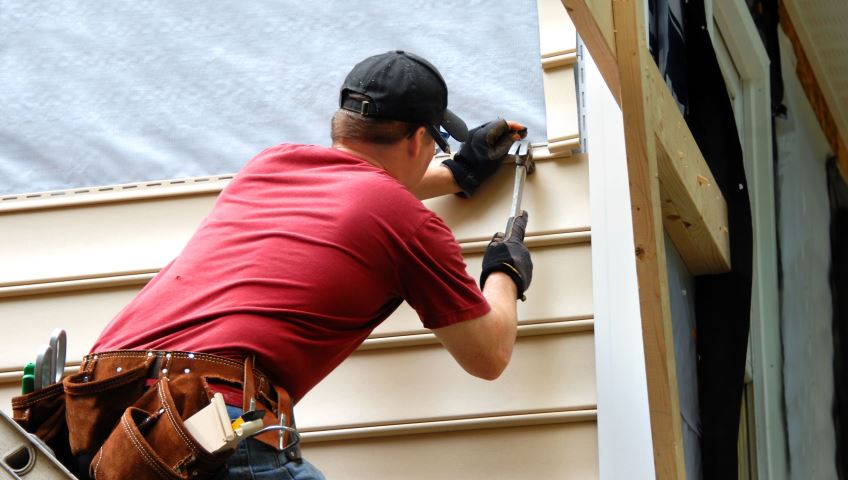
Good siding doesn’t just make your house look nice – it keeps the weather, bugs, and moisture from turning your home into a soggy mess. But here’s the thing: even the best siding won’t stay perfect forever without a little help from you.
I’ve seen too many homeowners drop thousands on new siding only to ignore it for years. Then they act shocked when it starts looking awful. Don’t be that person!
Let me walk you through some dead-simple ways to keep your siding looking great without breaking a sweat or emptying your wallet.
How To Maintain Siding Routine
Think of siding maintenance like brushing your teeth. Skip it for a day, no big deal. Skip it for years, and you’ve got yourself a painful, expensive problem.
A good siding routine doesn’t need to be complicated. You just need to pay attention a few times a year and handle small issues before they turn into giant headaches.
Inspect Your Siding Regularly
Grab a pair of binoculars and walk around your house twice a year – once in spring and once in fall. Look for cracks, warps, loose panels, or anything that looks “off.”
Mark problem spots with chalk or take pictures with your phone so you don’t forget where they are. The sooner you catch issues, the easier and cheaper they are to fix.
This is especially important after big storms or really harsh weather. Wind can loosen panels, and hail can crack them. Five minutes of looking can save you hundreds in repairs.
Get in touch with an expert in siding Madison WI residents trust or similar pros in your area if you spot something that looks beyond a simple fix. They can tell you whether that weird spot is normal wear or the start of a bigger problem.
Clean Dirt, Mold, and Mildew
Your siding gets hit with dirt, pollen, bird poop, and all sorts of gross stuff throughout the year. Plus, the north side of many houses turns green with algae or black with mildew.
Here’s a cheap trick that works amazingly well: Mix a cup of laundry detergent with a gallon of water. For extra cleaning power, add a half-cup of regular household bleach. Put this in a garden sprayer and coat the dirty areas.
Let it sit for about 10 minutes – but don’t let it dry completely! Then rinse with a garden hose. No need for fancy power washers that might damage your siding.
For vinyl siding, this works like magic. For wood siding, go easy on the bleach and test a small area first.
The best part? This whole job costs about five bucks and takes under an hour for most houses. Do it once a year in spring, and your siding will look fresh all year.
Repaint or Reseal When Needed
Painting home isn’t just for looks – it protects your siding from moisture and sun damage. If you’ve got wood siding, you’ll need to repaint every 5-7 years. Other types like fiber cement might go 10-15 years between paint jobs.
You know it’s time when:
- The color looks faded or chalky
- Paint is cracking, bubbling, or peeling
- Water doesn’t bead up on the surface anymore
The secret to a good paint job is prep work. Clean your home first, let it dry completely, and patch any holes. Use primer on bare spots, and buy quality exterior paint – the cheap stuff will cost you more in the long run when you have to redo it sooner.
If you’re not up for painting the whole house, focus on the sides that take the most weather beating – usually south and west exposures.
Check for Water Damage
Water is your siding’s worst enemy. When it gets behind the siding, it rots wood, grows mold, and eventually damages the structure of your house.
Look for:
- Warped or buckled panels
- Soft spots when you press on the siding
- Water stains or discoloration
- Mold or mildew patches
Check around windows, doors, and where the siding meets the roof first – these are the most common places for water to sneak in.
If the caulk around windows and doors is cracked or missing, that’s an easy fix. Get a tube of exterior silicone caulk and reseal those areas. It costs a few bucks and takes almost no time.
For bigger water issues, find the source of the leak and fix that first, then deal with any damaged siding. Replacing a few panels is way better than letting water rot out your whole wall.
Maintain Gutters and Downspouts
Dirty gutters might seem unrelated to siding, but they’re actually super connected. When gutters get clogged, water overflows and runs down your siding – exactly what you don’t want.
Clean your gutters at least twice a year – after leaves fall in autumn and after seed pods drop in spring. While you’re up there, check that downspouts direct water at least 3 feet away from your foundation.
Gutter guards can cut down on cleaning time, but even with guards, you still need to check them occasionally.
The cool thing is, this one task protects both your siding AND your foundation. Not bad for an hour’s work on a Saturday morning.
Trim Trees and Landscaping Around Siding
Trees and bushes too close to your house can scrape against siding when it’s windy, wearing away protective finishes. Plus, they trap moisture control against the siding, which leads to mold and rot.
Keep trees trimmed back at least 3 feet from your house. For bushes and shrubs, aim for about 18 inches of clearance.
When you plant new stuff, think about how big it’ll get, not just its current size. That cute little sapling might turn into a monster that dumps leaves in your gutter and scratches your siding.
Bonus tip: This space between plants and your house also helps keep bugs from using branches as highways into your home. Less bugs, less moisture, better siding – all wins!
Repair or Replace Damaged Panels Quickly
Small problems with siding get bigger fast if you ignore them. A tiny crack lets water in, which makes the crack expand, which lets more water in… you get the idea.
For minor damage:
- Small holes can be filled with exterior wood filler (for wood siding) or specialized vinyl siding repair kits
- Loose panels should be secured with proper siding nails (not regular nails!)
- Cracked vinyl panels sometimes can be replaced individually without redoing the whole wall
Keep a few extra siding panels in your garage or shed if you can. When your house was built or last sided, the contractor probably left some spares. These matching pieces are gold when you need a replacement.
For bigger damage, calling a pro makes sense. They have the tools and know-how to match existing siding and install it correctly.
Wrapping Up
Siding maintenance isn’t rocket science – it’s mostly about paying attention and handling small issues before they become huge problems.
Even if you’re not super handy, you can handle most of this routine yourself with basic tools and materials from any hardware store.
The payoff? Your house looks better, stays protected from the elements, and you avoid the massive cost of replacing all your siding prematurely. That’s what I call a smart investment of a few hours each year.
Your future self will thank you when your neighbor’s house needs all new siding and yours still looks great years later!