

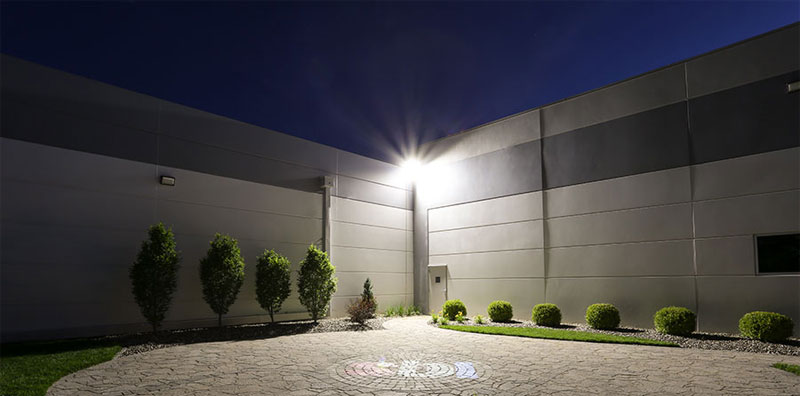
Outdoor lighting has evolved from a simple functional necessity into a strategic component of property design and management.
In earlier decades, halogen and metal halide fixtures dominated the landscape, prized primarily for their brightness.
Yet these systems often consumed significant amounts of electricity and required frequent maintenance.
Over time, rising energy costs and heightened environmental awareness pushed property owners to seek more efficient alternatives.
The emergence of LED technology marked a decisive turning point.
Unlike traditional bulbs that rely on heated filaments or gas discharge, LEDs generate light through semiconductor processes that are inherently more efficient. This shift allowed for brighter illumination with far less energy consumption.
As innovation accelerated, manufacturers refined LED flood lights to meet the demanding requirements of outdoor environments.
Today, LED flood lights are widely regarded as the standard for modern outdoor lighting.
Their adoption spans residential homes, commercial complexes, sports facilities, and public infrastructure. What began as a niche innovation has become a foundational element of lighting design.
Understanding why requires a closer look at efficiency, safety, durability, and long term value.
Energy Efficiency and Long Term Cost Savings
Energy efficiency remains the most immediate and measurable advantage of LED flood lights.
These fixtures convert a significantly higher percentage of electricity into visible light compared to older technologies, resulting in less wasted energy in the form of heat and lower monthly utility costs.
For large-scale installations such as parking lots or warehouses, the financial impact can be substantial.
Beyond energy consumption, the lifespan of LED flood lights plays a central role in overall cost reduction.
Many LED fixtures are rated to operate for tens of thousands of hours before replacement is necessary, while traditional bulbs may require multiple replacements within the same timeframe.
Reduced maintenance needs translate into lower labor costs and fewer operational disruptions, particularly in commercial environments where lighting downtime can affect productivity.
As more homeowners and facility managers weigh upgrading their outdoor lighting, the focus often shifts from technology alone to the reliability of the source. Established distributors such as BuyRite Electric frequently enter the conversation because of their long standing presence in the lighting and electrical supply market.
Buyers consider their high performance LED flood lights, because of powerful illumination, energy efficiency, and long lifespan.
A well organized online catalog makes that process clearer, helping ensure strong performance and dependable long term value.
Enhanced Safety and Security
Effective outdoor lighting is closely tied to safety and security.
LED flood lights provide bright, consistent illumination that minimizes shadows and dark zones around buildings.
This increased visibility deters unauthorized activity and reduces the likelihood of accidents. Well lit entrances, walkways, and parking areas create environments that feel secure and accessible.
For businesses, security lighting is not merely a precaution but a core operational concern.
High quality illumination supports surveillance systems by enabling cameras to capture clear images.
Employees working late shifts benefit from safer surroundings when arriving or departing after dark. In many industries, robust lighting becomes part of a comprehensive risk management strategy.
Communities also rely on LED flood lights to enhance public safety.
Parks, sports fields, and public plazas require reliable illumination to remain functional after sunset.
Bright and evenly distributed light encourages civic engagement while maintaining a sense of order.
\In this way, LED flood lighting supports both safety objectives and broader community development goals.
Superior Light Quality and Performance
LED flood lights distinguish themselves through superior light quality and dependable performance.
Unlike some older fixtures that flicker or require warm up periods, LEDs deliver full brightness instantly.
\This immediate response is particularly valuable in security situations where hesitation is unacceptable.
Consistent output ensures that spaces remain clearly illuminated without interruption.
Modern LED designs allow for precise control over beam spread and intensity.
Property owners can select fixtures tailored to illuminate wide areas or focus on specific architectural features.
This flexibility reduces light pollution and directs illumination where it is most effective. Improved optical engineering enhances both functionality and visual appeal.
Color rendering further enhances the practical advantages of LED flood lights.
High quality LEDs reveal colors accurately, which is important for retail displays, landscaping, and architectural facades.
Natural looking illumination improves visibility and aesthetic impact simultaneously.
The result is lighting that performs reliably while elevating the overall appearance of outdoor spaces.
Durability in Challenging Environments
Outdoor fixtures must withstand exposure to weather and environmental stress. LED flood lights are typically constructed with rugged housings and sealed components designed to resist moisture and dust.
This resilience ensures consistent performance through rain, wind, and temperature fluctuations.
In demanding conditions, durability becomes as important as brightness.
The solid state design of LEDs offers additional advantages.
Without fragile filaments or glass enclosures, these fixtures are more resistant to vibration and impact.
Industrial sites, loading docks, and construction areas benefit from lighting that can endure physical stress.
Reduced breakage leads to fewer replacements and lower long term maintenance expenses.
Temperature stability further reinforces the reliability of LED flood lights.
They perform efficiently in both cold winters and hot summers without significant degradation.
Traditional fixtures often lose efficiency or experience shortened lifespans under extreme conditions. LEDs maintain consistent output, providing dependable illumination year round.
Environmental Responsibility and Sustainability
Sustainability considerations increasingly influence purchasing decisions in both residential and commercial sectors.
LED flood lights contribute meaningfully to environmental goals by consuming less energy and producing fewer emissions.
Lower electricity demand reduces the carbon footprint associated with outdoor lighting systems.
Over time, widespread adoption can yield measurable environmental benefits.
Unlike certain conventional lighting technologies, LEDs do not contain hazardous substances such as mercury.
This simplifies disposal and reduces ecological risk. Their extended lifespan also means fewer units are discarded over time. Waste reduction aligns with broader sustainability initiatives pursued by municipalities and corporations alike.
For organizations focused on environmental, social, and governance standards, lighting choices carry symbolic and practical weight.
Upgrading to LED flood lights signals a commitment to responsible resource management.
Customers and stakeholders often view such investments favorably. In this context, LED lighting becomes part of a larger sustainability narrative.
Versatility Across Residential and Commercial Applications
Few lighting solutions offer the adaptability of LED flood lights. In residential settings, they illuminate driveways, patios, gardens, and garages with dependable clarity. Many homeowners integrate them with motion sensors or smart controls to enhance convenience.
This flexibility allows lighting systems to evolve alongside changing household needs.
Commercial properties require scalable solutions that can accommodate growth and shifting operational demands.
LED flood lights are available in various wattages, mounting styles, and control options.
This range makes them suitable for small storefronts as well as expansive industrial campuses. The ability to customize installations ensures that lighting systems remain effective over time.
Public infrastructure projects further demonstrate the versatility of LED technology. Athletic complexes, transportation hubs, and municipal buildings depend on consistent and efficient illumination. LEDs provide the brightness and reliability required for such critical environments.
Their broad applicability reinforces their essential role across sectors.
A Strategic Investment in Modern Infrastructure
The case for LED flood lights ultimately rests on their long term strategic value.
While initial installation costs may exceed those of older fixtures, the return on investment often justifies the expense.
Energy savings, reduced maintenance, and improved performance combine to deliver measurable financial benefits.
Over time, the cumulative impact strengthens the business case for adoption.
Advancements in smart lighting controls further enhance this value proposition.
Many LED flood lights can be integrated into automated systems that monitor usage and adjust output as needed.
Property managers gain greater oversight and efficiency through data driven decision making.
This integration reflects the broader trend toward intelligent building management.
In modern outdoor environments, lighting is not merely a utility but a critical component of infrastructure.
LED flood lights address the economic, environmental, and operational demands facing property owners today.
Their comprehensive advantages make them more than an upgrade. They represent an essential foundation for effective and responsible outdoor lighting.