

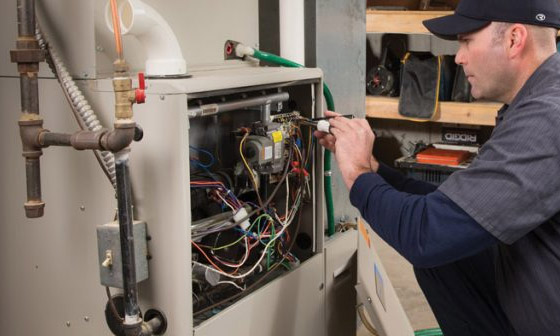
One of the most versatile and efficient units to provide year-round comfort in the indoor environment is a heat pump, which provides heating and cooling services.
Due to the almost unending nature of its use in the seasons, it needs frequent servicing so that it can run smoothly and to avoid failure in unexpected circumstances.
Regular maintenance from a heat pump service in San Jose not only makes the equipment last longer but also makes energy bills affordable and provides comfort at all times.
Here is a breakdown of the steps that are normally taken when you receive a heat pump tune-up visit.

Initial System Inspection
Each visit will be opened with a thorough visual and working examination of the whole system.
This would assist the technician in identifying the apparent problems fast and comprehending the level at which the unit has been performing.
At this step, the technician will normally:
- Checks on the inside and exterior spark.
- Test Response and settings of the thermostat.
- Check the air condition of the air filter.
This general heat pump system inspection establishes the basis of the rest of the service and allows for giving priority to any of the areas that require particular care.
Cleaning Components
Dirt accumulations are some of the most common causes of bad performance.
The small size of the dust or debris will tend to block air flow and to inhibit heat transfer, making the system work harder and consume more energy.
The technician pays attention to cleaning major parts that will include:
- Changing or cleaning the air filter.
- These involve cleaning debris surrounding the outside unit.
- Cleaning evaporator coils
- Cleaning condenser coils
- Flushing out the condensate drain line.
- Wash dust off the internal compartments.
A clean system is not only more efficient but also less prone to wear and tear and lasts longer.
Electrical and Mechanical Checks
The heat pumps are based on the complicated integration of electrical and mechanical components.
The failure of just one of the components can influence the whole system. This is why this section of the visit is so detailed.
A common heat pump tune-up includes:
- Fitting the electrical connections.
- Check the wiring that is damaged or corroded.
- Contactors and controls: examination.
- Lubricating moving parts
- Checking on belts, bearings, and motors.
- Assuring enough balancing of fan blades.
These control options remove the possibility of failures and increase stability.
Refrigerant Level and Pressure Check
Refrigerant is the key to heat transfer. In case of low levels or wrong pressures, the system will not be able to easily heat or cool and might even be damaged in the long run.
The technician will:
- Compare levels with specifications of the manufacturer.
- Check for signs of leaks
- Enhance or fill up levels where required.
- Make sure that links are sealed.
Checking the levels of refrigerant ensures maximum performance and also safeguards other vital parts, such as the compressor.
System Performance Testing
After cleaning and inspecting the system, the technician brings the system to full operational status to ensure that all operations are correct.
The customary performance testing examinations include:
- Operation of heating and cooling.
- Determining differences in airflow and temperature.
- Monitoring system cycles
- Setting ears on the abnormal sounds or vibrations.
- Checking start-up and shut-down sequences.
These tests are to guarantee that the heat pump is running without any problems in real-life settings.
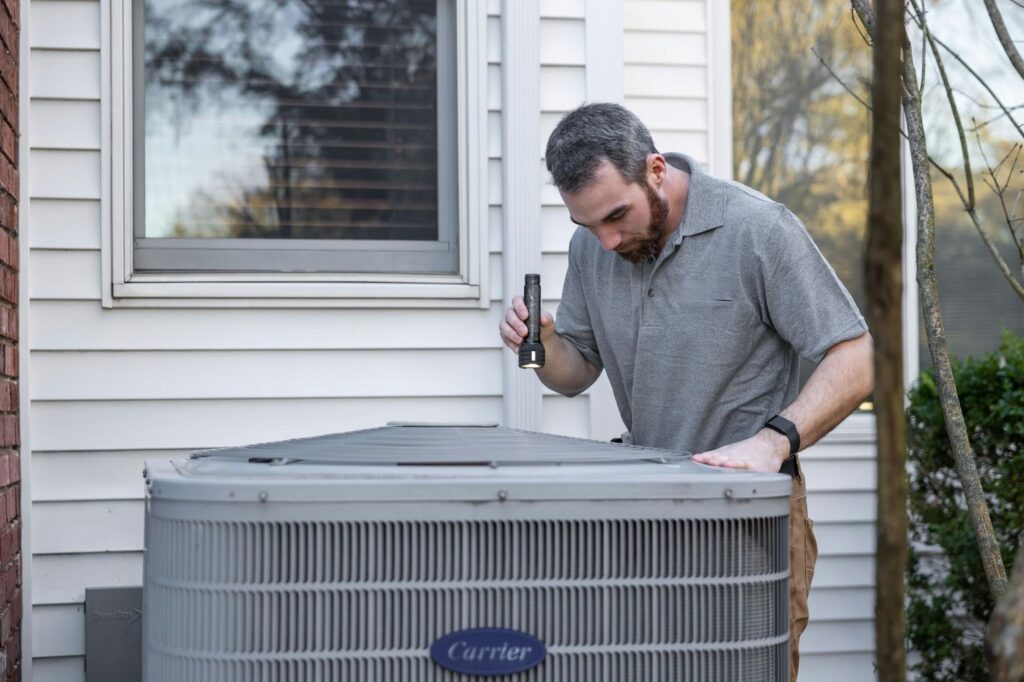
Efficiency and Safety Optimisation
Once the system is in place, minor improvements may lead to significant effectiveness and safety.
The steps that may be performed to optimise may include:
- Calibrating the thermostat
- Sealing minor air leaks
- Establishing that safety switches are functioning properly.
- Verifying proper drainage
These steps are usually given a lot of focus by professional providers like Freon services so that the customers can experience optimum delivery of performance and comfort through the equipment that they serve.
Client Recommendations and Report
An annual maintenance service costs approximately $150, which is affordable for many homeowners.
The professional heat pump service also communicates their findings and offers practical pieces of advice at the end of the visit.
You can expect:
- A summary of completed tasks
- Comments concerning any damaged and aging parts.
- Suggestions for repair or improvements.
- Guidelines on changing the filters.
- Energy-saving tips
- It is in the form of a written or digital service report.
This knowledge can assist you in budgeting in advance and keep off-the-balance sheet costs.
In Conclusion
A professional heat pump service visit is a multi-stage, comprehensive procedure, which is meant to maintain your system clean, safe, and running efficiently.
Inspection, cleaning, testing, and optimisation are all steps to enhance the reliability and reduce the operating costs.
Regular maintenance can be scheduled when you just want to be sure that your heat pump will provide reliable comfort throughout the year.
They can be assisted by professionals and the frequent check-ups to prolong the life of your system and have stable performance every season.