
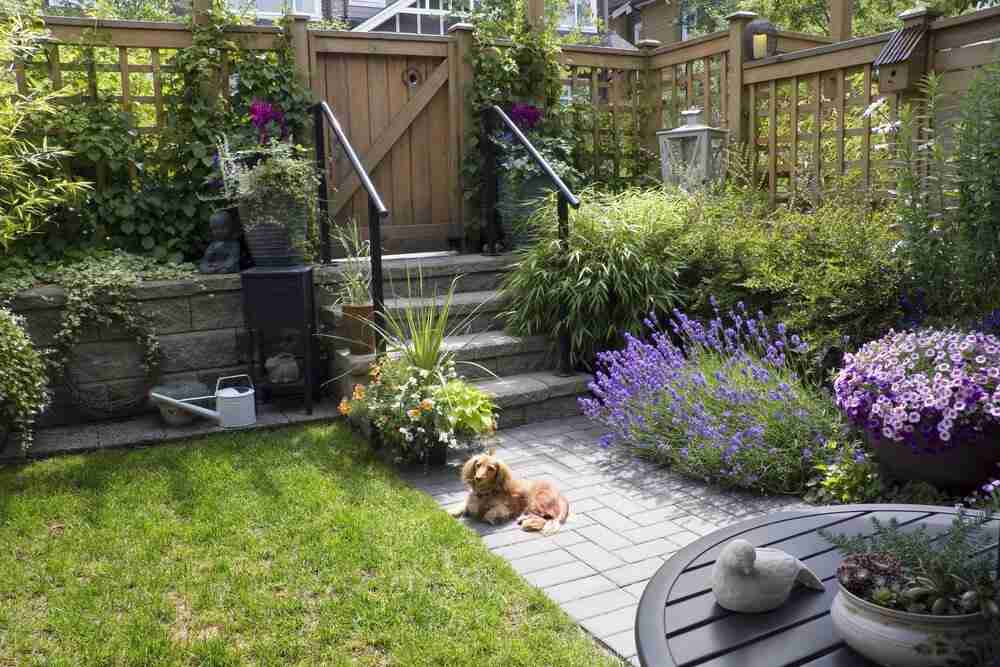
A warm and safe yard where pets roam freely adds joy to your home space, but you don’t want your furry friends to get hurt while playing outside.
Good pet-friendly landscaping protects your animals from hidden dangers in outdoor spaces.
Thoughtful planning means placing play areas and paths where dogs walk most often rather than letting them trample prized beds.
It’s also important to choose plants that are safe if sniffed or nibbled to prevent rushed trips to the vet.
Strong fencing and secure borders also stop pets from wandering off or digging under edges.
The same goes for simple shaded spots that give your pets a break from sun. Let’s discuss some landscaping tips for creating yards where your pets will have the time of their lives.
Pick Ground Covers and Lawn Options for Pets
A yard looks better when grass and groundcovers survive pet traffic. Standard lawn grasses sometimes brown or thin out from play and urine spots.
Choose hardy grass types known to tolerate pets and rough wear. Some hardy cover options include buffalo grass, Irish moss, and creeping thyme.
Tall fescue and Bermuda grass handle more running and ball games than fragile turf.
You can also use artificial turf made for pets, as it drains well and stays clean. Flower beds look nice, but pets usually stick to ground covers near paths and play zones.
Create Defined Paths and Play Areas
Pets tend to move in patterns along familiar routes, sniffing and exploring as they go around, so it makes sense to put in defined paths.
These guide movement and protect the rest of your plantings. Use materials that are gentle on paws:
- Pea gravel or smooth river rocks
- Flagstone
- Pavers with low edges
- Decomposed granite for firm footing
- Soft mulch (non-toxic)
Paths also help keep paws cleaner so less mud gets tracked indoors after wet weather.
Mulch Wisely and Avoid Harmful Materials
Mulch can hold soil moisture and suppress weeds, which helps lawns and plant beds stay healthier even with regular pet traffic.
Cocoa mulch and some dyed mulches are toxic if chewed or swallowed. Instead, look for soft mulch types that are non-toxic and large enough to avoid accidental ingestion.
Some good choices are cedar, pine bark chips, or shredded bark.
Rubber mulch is soft underfoot and long-lasting, though you must confirm it’s a pet-safe brand before using. Always check how your pet interacts with mulch, and remove it if you notice chewing.
Choose Pet-Safe Plants
Many common garden plants can harm cats or dogs if eaten.
Always check whenever adding a new species. Some plants are attractive, but toxic, such as lilies, azaleas, oleander, sago palm, and foxglove.
Keep them out of places your pets can reach. Safe alternatives bring in color and scent without the risk of harm. You can plant:
- Sunflowers
- Marigolds
- Snapdragons
- Basil and rosemary
- Camellias
- Thyme
Herbs are especially nice around patios where pets lounge. Some herbs are edible for humans too, so you get extra use for them.
Set Up Shaded Zones and Cool Spots
Pets can get hot fast in full sun, so you should create shaded zones to give them a break and prevent heat exhaustion on warm days.
Trees, pergolas, or shade sails over seating and play areas work best. Even a single canopy can cut sun exposure dramatically and make your garden a relaxing retreat for your pets.
Place the water bowl in shaded areas so clean water stays cool longer.
A small outdoor fountain or shallow water feature can also encourage drinking and keep your pet cool. Just make sure water features have gentle edges and shallow areas that are easy for pets to access.
Build Secure Fencing and Barriers
A fully enclosed yard makes a huge difference, as it stops pets from wandering into roads or neighbors’ yards.
Use fencing materials that are tough to dig under and chew through. Your budget will decide what you choose between vinyl, wood, and metal.
Make sure gate latches stay closed when you want them to. For pets that try to dig, bury part of the fence base or use underground barriers to block escape routes.
Even if you have a small courtyard, fencing around play or potty zones prevents accidental access to plant beds and sensitive features.
Add Durable Hardscaping Elements
Hardscape is the non-plant part of your yard, such as patios, walkways, and small walls.
Strong hardscaping makes your yard more usable for pets and people alike. Install smooth pavers or stone terraces to give your pets comfortable outdoor rooms, and raised beds with sturdy edges to protect plantings from playful paws.
You can also put outdoor seating areas near pet paths to watch your little friends play and enjoy the space together.
Professional installers, such as Treadstone Landscaping, have the tools and training to build these features to last.
They can also tailor the designs to match your yard’s existing structure and your pet’s needs.
Consider Water Drainage and Mud Control
Pets can turn parts of a yard muddy. That happens most often where water pools after rain or near heavy play zones.
Install simple drainage features, such as a French drain or dry gravel channels, to carry excess water away from yard centers.
Good drainage also reduces slippery surfaces and mud tracked into the home.
Make Maintenance Simple
No matter how pet-friendly your yard is, it still needs regular outdoor space maintenance.
Trim back overgrown plants so sightlines stay open and pets don’t hide in thick foliage. Be sure to clean up fallen fruit or plants that attract pests.
You should also check mulch regularly for mold or decay. Repair holes or damaged turf quickly so pets don’t make new paths that disrupt your design.
Keep seasonal needs in mind, too. In warm months, provide shade and plenty of water at all times.
Meanwhile, cooler weather requires you to clean fallen leaves so mold does not build up. In spring, check for plants sprouting that might be toxic or irritating to pets.
Endnote
A pet-friendly yard needs to be just as safe as good-looking and comfortable.
Strong turf, safe plants, shaded corners, and smart drainage make daily life easier for both pets and owners.
When you use the aforementioned tips to enhance your outdoor space, you keep your yard welcoming for pets.