

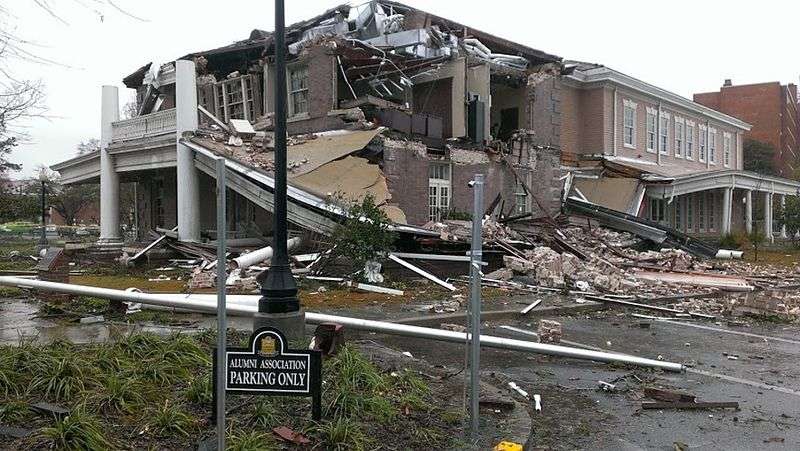
Commercial property damage forces business owners to make decisions fast. Repairs need attention.
Insurance calls start piling up. Revenue may stop overnight. In that rush, small mistakes often slip in.
Those early missteps can cost far more than expected.
Claims may stall. Payments may fall short. Recovery can take longer than planned. Knowing where owners commonly go wrong makes a real difference when damage hits.
Misjudging the Full Scope of Commercial Property Damage
The first mistake usually happens right away. Owners look at what’s visible and assume that’s the full extent of the loss. In most cases, it’s not.
Damage often spreads beyond what the eye can see. Moisture travels. Structures shift. Materials weaken quietly.
Overlooking Secondary Damage
Fire damage rarely ends with burned materials. Water damage often follows once suppression efforts begin. Storm damage can seem minor until roof leaks allow water into ceilings, walls, and equipment.
Even small leaks matter. Moisture trapped inside a building can lead to mold, electrical issues, and weakened framing.
When these problems aren’t documented early, insurance companies may question whether they’re related to the original loss. That doubt can reduce the value of commercial property damage claims.
Waiting Too Long to Act After Damage Occurs
Time works against business owners after property damage. Waiting too long creates problems that are hard to fix later.
Insurance policies usually require prompt notice. Delays raise questions. Evidence can fade as conditions change.
Delays That Trigger Claim Disputes
Some owners focus on reopening first. Others start cleanup right away. Both actions can backfire if documentation comes later.
This becomes especially risky after hurricanes, where wind, rain, and flooding often cause layered damage that isn’t obvious right away.
In areas prone to severe storms like Florida, claim disputes frequently center on timing, coverage limits, and how damage is classified. That’s why understanding Hurricane laws in Fort Lauderdale or your city can help business owners recognize where insurers commonly push back and how storm-related claims are evaluated under local and state rules.
Missed deadlines and missing proof give insurers room to push back. Damage tied to storm damage, flood damage, or roof leaks becomes harder to prove once conditions change.
Failing to Document Damage Properly
Documentation shapes the entire claims process. Strong records support stronger outcomes. Weak records do the opposite.
Photos and videos should capture damage from multiple angles. Notes should explain how operations were affected. Repair estimates help establish real costs.
Incomplete Evidence Hurts Claims
Missing proof creates gaps. Insurance companies may argue that certain damage existed before the loss. This happens often with water damage and earth movement.
Business interruption losses also need support. Payroll records, sales history, and fixed expenses help show income loss. Without them, payouts may fall far short of actual impact.
Misunderstanding Commercial Property Insurance Coverage
Many business owners read their commercial property insurance policy only after filing a claim. That timing often leads to frustration.
Coverage varies by cause of damage. Natural disasters, fire damage, and water damage may follow different rules. Exclusions and sub-limits can apply even when damage is severe.
Actual Cash Value vs Replacement Cost
Payment terms matter more than most owners expect. Actual cash value reduces payouts based on age and wear. Replacement cost focuses on current prices.
Policy limits also play a role. Construction costs change. Labor rates rise. When coverage doesn’t keep pace, owners may face large out-of-pocket expenses during home repairs.
Accepting the First Insurance Company Assessment
After a claim is filed, an insurance adjuster usually inspects the property. That first estimate often sets the tone. Still, it shouldn’t be treated as final.
Early assessments can miss line items or understate repair needs, especially when inspections are brief.
When to Question the Insurance Adjuster
Low labor rates and incomplete material lists are common. Some estimates leave out secondary water damage or minimize storm damage across the site.
A careful review helps catch these gaps. Asking questions early can prevent underpayment later.
Ignoring Business Interruption Losses
Physical repairs are only part of the financial loss. Lost income often causes the most strain.
Closures affect sales immediately. Expenses like rent, utilities, and payroll may continue. Without careful tracking, these losses may never be fully recovered.
About 40% of businesses never reopen after a disaster. Prolonged income loss plays a major role. That risk grows when interruption losses aren’t properly documented.
Mixing Property Damage With Liability Coverage
Filing under the wrong coverage type creates delays. It can also lead to denial.
General liability insurance covers injuries and third-party property damage. Commercial property insurance covers damage to business property. Mixing the two slows down the claims process when timing already matters.
Handling Complex Claims Without Legal Guidance
Some commercial property damage claims grow complicated fast. Disputes over coverage, exclusions, or payout amounts can drag on for months.
Situations That Often Call for Legal Support
Large fire damage losses and flood damage disputes often involve policy interpretation.
In these cases, a property damage lawyer can help protect the business’s interests and challenge unfair decisions.
Conclusion
Mistakes after commercial property damage rarely happen on purpose. They happen under pressure. Still, their impact can last for years.
Acting quickly, documenting thoroughly, and understanding insurance coverage all help protect both property and income.
With the right approach, business owners improve their chances of a smoother claims process and a faster return to normal operations.