

I’ve always been curious about what happens to property values in places that people consider beautiful or desirable. Is there a direct connection between stunning locations and higher real estate returns? And how much extra are people willing to pay just for a great view or access to natural beauty?
After digging into the data and talking with real estate professionals across different markets, I’ve found some fascinating patterns about how gorgeous destinations affect property values. This isn’t just about pretty views—it’s about understanding the real financial impact of location on your potential real estate investment.
Let’s look at how different types of beautiful destinations shape property values and what that means for buyers, sellers, and investors.
How Beautiful Destinations Impact Real Estate Value
Beautiful places tend to command higher property values—that’s not surprising. But what’s interesting is how different types of beautiful destinations affect pricing, appreciation rates, and investment potential in unique ways.
Coastal Escapes
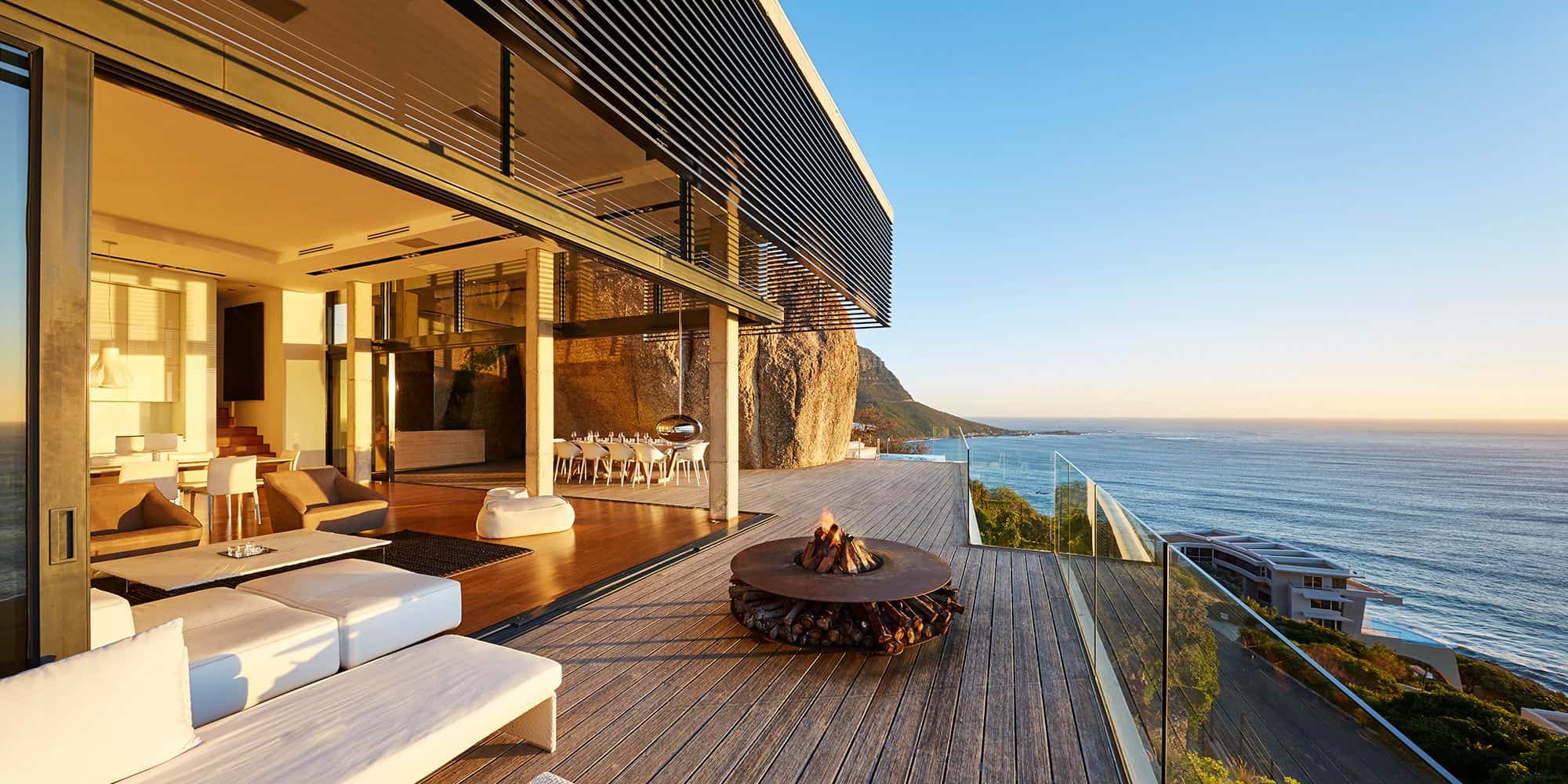
Oceanfront properties have historically outperformed inland properties by about 25% in terms of long-term appreciation. The limited supply of waterfront land combined with the never-ending demand creates a perfect recipe for strong property values.
What’s fascinating is how coastal property values respond differently to economic shifts. During the 2008 housing crisis, premium coastal properties in places like Malibu and the Hamptons saw smaller drops in value compared to suburban properties—only about 15% versus 30-40% in many inland areas.
The downside? Insurance costs have skyrocketed in coastal zones, sometimes increasing 300% in just a few years. This hidden cost can seriously eat into your returns if you’re not prepared for it.
Mountain Retreats
Mountain properties tend to hold value well during economic downturns, especially those within driving distance of major cities. Data shows that mountain homes within 2-3 hours of metropolitan areas have appreciated about 18% faster over the past decade than similar homes in flat terrain.
The pandemic really highlighted this pattern—mountain properties within 3 hours of major cities saw price jumps of 30-50% as remote work became normal. A good example is the growing number of cabins for sale in Pigeon Forge TN, where prices have climbed steadily as people sought mountain getaways near the Smoky Mountains.
The twist here is seasonality—these properties often have pronounced high and low seasons that affect your income potential if you’re renting them out. But they also tend to have lower property tax rates than coastal areas, which helps offset some carrying costs.
Historic European Cities
Properties in historic European city centers typically appreciate at rates 2-3% higher annually than properties in newer parts of those same cities. The limited supply of historic restoration combined with strict preservation laws creates a scarcity that maintains value.
Buyers pay a 15-40% premium for authenticity and character in these locations. What many people don’t realize is that renovation costs in historic districts can run 30-60% higher than standard renovations due to preservation requirements and specialized craftsman needs.
The rental market in these areas is typically strong year-round thanks to tourism, making them solid income producers despite the higher purchase prices and maintenance costs.
Tropical Islands
Island property markets are among the most volatile in real estate. The data shows they can appreciate 200-300% during boom cycles but can also drop 50% or more during downturns.
The interesting thing about island properties is the ownership structure. Many tropical destinations limit foreign ownership or require special permits, creating artificial constraints on the market. This affects liquidity—the ability to sell quickly if needed—which is a major risk factor.
Water and power infrastructure often comes at a premium on islands, with utility costs running 30-100% higher than mainland equivalents. This hidden cost catches many buyers by surprise.
Lakefront Properties
Lakefront property has quietly outperformed many other premium markets, with average appreciation rates about 6% annually compared to 4% for similar non-lakefront properties in the same regions.
Lake properties tend to draw from local and regional buyers rather than international ones, making them less susceptible to global economic shifts. This creates a stability you don’t always find in other premium markets.
The sweet spot? Mid-sized lakes within 2 hours of major cities see the strongest and most consistent appreciation. Too small, and there’s limited appeal; too remote, and the buyer pool shrinks dramatically.
Desert Luxury
Desert luxury markets like Palm Springs, Scottsdale, and Sedona have seen dramatic growth, with property values increasing 25-35% in just the past three years alone.
Climate plays a huge role in desert property values. Areas with 300+ days of sunshine command a 15-25% premium over areas with less predictable weather. The seasonal nature of many desert communities creates interesting investment dynamics—high season rental rates can be 3-4 times higher than off-season rates.
Water resources and access have become increasingly important factors in desert property values. Properties with secure water rights often sell for 10-20% more than similar properties with less certain water access.
Wine Country Living
Wine region properties typically appreciate at rates 3-5% higher than similar properties in nearby non-wine regions. The combination of scenic beauty and cultural cachet creates strong demand.
Properties within walking distance of wineries or with vineyard views command a 20-40% premium over similar properties without these features. The agritourism aspect of wine regions creates rental opportunities that are less seasonal than pure vacation destinations.
What many buyers miss is the way zoning and agricultural preservation laws affect property rights in wine country. These can significantly impact what you can build or how you can modify existing structures.
Mediterranean Charm
Mediterranean coastal properties have historically been strong performers, appreciating at an average of 7% annually over the past 50 years, outpacing inflation by about 4%.
The limited coastline and strict development regulations in countries like Italy, Greece, and Spain create natural constraints on supply. Properties with authentic architectural elements command premiums of 15-30% over newer construction with similar views.
The rental property in these areas is exceptionally strong, with peak season rates often returning 1-2% of the property’s value monthly. That kind of income potential creates a buffer against market fluctuations.
Urban Waterfronts
Urban waterfront properties have seen some of the strongest appreciation of any segment, with values increasing 150-200% over the past 20 years in cities like Chicago, Boston, and Seattle.
The redevelopment of industrial waterfronts into residential and mixed-use areas has created enormous value. Early buyers in these transforming neighborhoods have often seen returns of 200-300% within a decade.
The risk factor here is environmental—rising sea levels and flooding concerns have started to impact flood insurance costs and buyer perception in some waterfront urban areas, creating a potential headwind for future appreciation.
National Park Proximity
Properties bordering national parks or with direct park views typically sell for 20-40% more than comparable properties just 5-10 miles away. The guarantee that adjacent land won’t be developed creates lasting value.
Gateway communities to popular national parks have seen average home value increases of 45-65% over the past decade, substantially outpacing national averages. Rental potential in these areas is strong, with occupancy rates often exceeding 80% during peak seasons.
The challenge? These areas often have strict zoning and building regulations to preserve the natural character that makes them valuable in the first place. This can limit your ability to expand or substantially modify properties.
Conclusion
After looking at all these beautiful destinations and their impact on real estate values, a few clear patterns emerge. First, scarcity matters enormously—whether it’s limited waterfront, historic buildings that can’t be replicated, or land adjacent to protected parks. These constraints on supply help maintain and grow value even during broader market downturns.
Second, rental potential creates a buffer against market volatility. Beautiful destinations almost always have strong rental demand, which can help offset carrying costs and reduce investment risk.
Third, hidden costs can significantly impact your returns. Higher insurance premiums in coastal areas, special maintenance requirements in historic properties, and elevated utility costs in remote beautiful locations all eat into profits if you haven’t budgeted for them.
Beautiful destinations do generally command premium prices and see stronger appreciation over time. But the smartest buyers look beyond the view to understand the specific market dynamics, regulatory environment, and cost structures that will ultimately determine their financial success.