
Like humans, even dogs can experience anxiety and stress frequently.
Although most pet owners are unaware, loud noises, routine changes, unfamiliar visitors, separation from family members, and even boredom can trigger this condition in pups.
Although it is normal for pet owners to notice occasional nervousness, a chronic level of anxiety affects a dog’s physical health, appetite, sleep, and overall quality of life.
Therefore, the importance of creating a calm, supportive home space can make a huge difference.
All you need are small adjustments to help your pup feel safe, relaxed, and emotionally secure throughout the day.
Understanding Anxiety in Dogs
It is essential to know the symptoms of stress and anxiety among dogs before altering anything at home.
Common symptoms include:
- Overbarking or whining
- Pacing or restlessness
- Trembling or hiding
- Chewing or scratching is destructive
- Loss of appetite
- Clingy behavior
- Aggression caused by fear
- Indoor accidents despite having house training
The behaviors observed in many pets during the early developmental stages are usually noticed by many owners, particularly in sensitive breeds.
For example, anxiety in cockapoo puppies might involve excessive attachment, shaking in solitude, or fearing new sounds and surroundings.
There are those dogs who are sensitive by nature.
Anxiety-related behaviors could be easily developed among rescue dogs, senior pets, and traumatized dogs, in comparison to well-socialized pets with confidence.
Practical Tips to Create a Calmer Home for Anxious Dogs
Making small changes around the home also makes anxious dogs feel safer, calmer, and emotionally even during the day.
Create a Safe and Quiet Space
Any nervous dog would appreciate a specific comfort zone. This is a room that must be predictable, safe, and not too active.
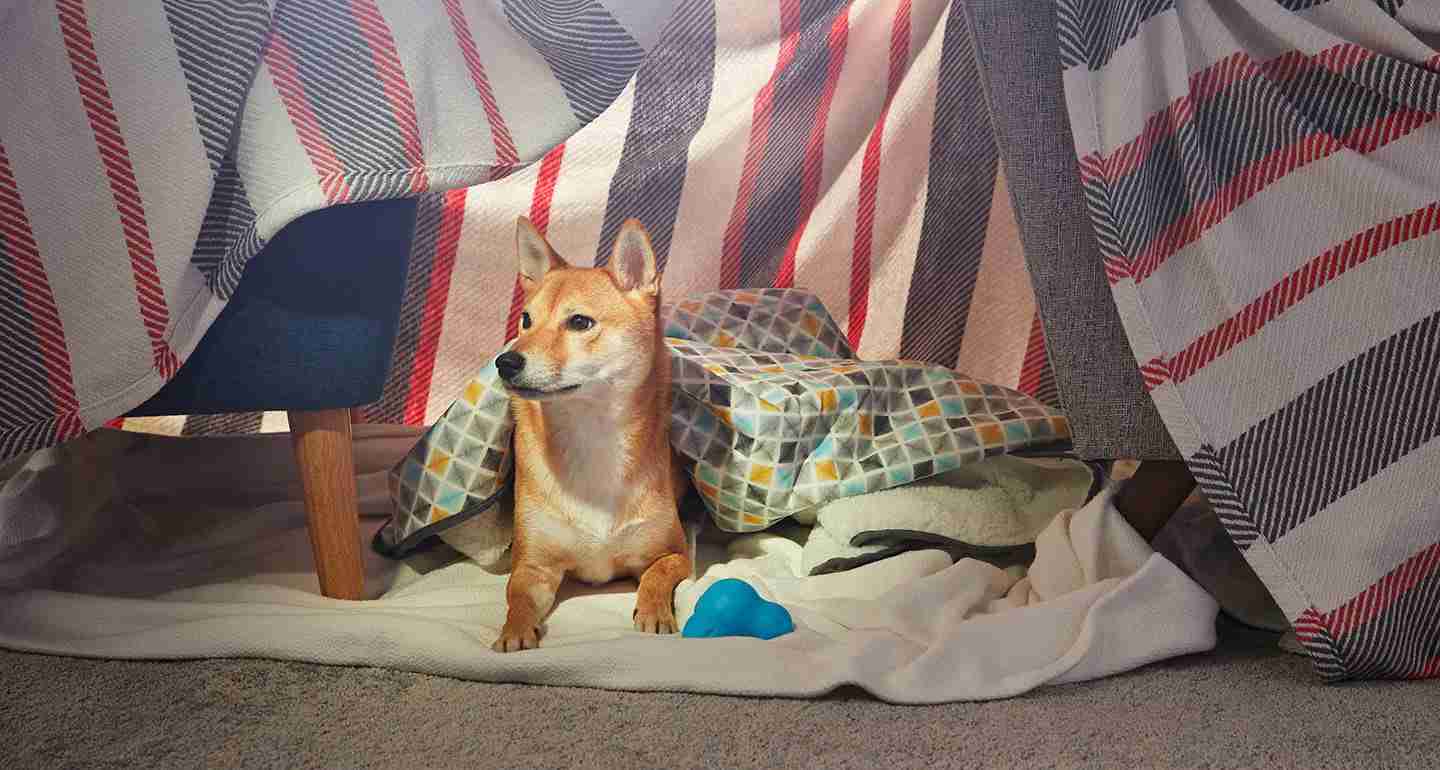
A small area with a comfortable bed, known blankets, and toys can be a relaxing enclave. Ideally, this space must be distant from loud televisions, high-traffic hallways, or even foot traffic.
Anxious dogs also sleep better in clean places, and that is the reason why a lot of pet owners check and clean bedding and get rid of pet hair at home to maintain a more peaceful and comfortable indoor space.
Even some dogs can feel comfortable in crates with a positive introduction.
Preparing half the crate with a breathable blanket can create a den-like atmosphere, fostering a sense of safety and comfort.
Stick to a Consistent Routine
Dogs are routine animals as they like predictability, minimizing uncertainty.
Whenever possible, feeding, walks, playtime, and bedtime should all occur around the same time daily.
Scheduling fluctuations that occur out of the blue may cause more anxiety, particularly among dogs who do not cope with separation or fear behavior.
Consistency assists dogs in knowing what to expect, and this naturally reduces stress levels.
Small breeds, such as a cavapoo puppy, tend to exhibit high attachment behaviors during early training, and thus, consistent schedules are essential in such dogs.
Use Calming Sounds and Music
Background noise can be soft and can mask triggering noises that include traffic, fireworks, and thunderstorms.
Many dogs respond well to soothing instrumental music or white noise.
Some pet owners are also successful with specially designed canine relaxation playlists. Low tempos and calming classical music can be used to slow down stressful situations and pacing, as well as diminish nervousness.
Leaving soothing sounds on when not at home can also benefit mildly affected dogs.
Provide Mental and Physical Exercise
The most frequent stressor for a dog is boredom.
Exercise frequently frees the accumulated energy and activates the brain, both of which are crucial in helping to maintain an emotional state.
Anxious behavior can be lowered by walking daily, scent games and puzzle feeders, and training. Intelligent and high-energy breeds particularly require mental stimulation.
Natural behaviors, such as sniffing, chewing, or foraging, can be very relaxing to a stressed dog.
Introduce Comforting Scents
Dogs also tend to have a strong sense of smell, and some odors can lead to relaxation.
Lavender is a generally recognized sedative, but must be used with caution and in pet-safe products.
Stop using strong essential oils around pets unless recommended by a veterinarian. Rather, take into account dog-safe calming sprays, lightly fragranced bedding items, or dog-specific pheromone diffusers.
The smell of their owner, e.g., a dirty T-shirt or blanket, can also bring comfort in times of stress.
Limit Exposure to Triggers
One of the best ways to help a jittery dog is to determine the cause of its anxiety.
When your dog is very sensitive to noise outside, keep the windows and curtains closed when there is a storm or fireworks.
If guests stress your pet out, give it space outside the crowd rather than forcing it into contact.
Over time, desensitization will help, but with the anxieties of dogs, one should not force them into uncomfortable circumstances too hastily. Honoring them brings about trust and confidence.
Offer Comfort Through Positive Reinforcement
Dogs can be taught to relate any stressful behavior to positive reinforcement.
Reward relaxed behavior with treats, praise, or affection. The anxiety-related actions should not be punished, because they will aggravate the fear and confusion.
Basic training drills that are aimed at building confidence can also make the dogs feel safer.
Such commands as place, settle, or stay are helpful in offering structure and reassurance in stressful situations.
Consider Calming Products
Numerous pet owners are seeking relaxing products to help nervous pets at home. Popular options include:
- Anxiety wraps or pressure vests
- Orthopedic calming beds
- Interactive toys
- Pheromone diffusers
- Slow feeders and lick mats
According to PetMD, increasing vet support towards soothing supplements and behavioral aids, along with proper training, is a must.
Know When to Seek Professional Help
In other cases, some dogs are very anxious and need professional counseling. In case the stress in a dog is long-lasting, acute, or influencing the normal course of life, it is worth addressing a veterinarian or a qualified canine behaviorist.
There are instances of medical conditions that resemble anxiety, hence a medical check-up might be required.
Behavioral therapy or medication can be prescribed in some situations to supplement a holistic treatment approach.
Final Thoughts
The greatest changes in scared dogs usually happen as a result of patience and emotional steadiness.
Even small expressions of care, trust-building, and positive interaction can build a sense of safety in a home with a dog, bit by bit.
Emotional development does not happen in a day, but with healthy everyday routines, nervous dogs may feel more accepted and natural over time.
Close relationships between dogs and their owners tend to grow stronger with the help of loving care and understanding under stressful circumstances.
Author Bio: Montana Mackovic leads Happytail Puppies, a family-owned business in Oak Ridge, North Carolina, dedicated to connecting families with healthy, well-socialized puppies. Since 2005, the company has been committed to ethical breeding practices, ensuring each puppy is raised in a loving environment and matched with the right home