
Hi there! I’m Julie, and I’ve been designing home spaces for over a decade now. When the pandemic hit, my dining table became my office, and boy, was that a mistake!
My back hurt, my focus wandered, and my work quality took a nosedive. That’s when I turned to biophilic design—bringing nature inside to create a workspace that felt good.
Working from home has become the new normal for many of us. What started as a temporary solution has turned into a permanent arrangement. But here’s the thing: just having a desk and chair doesn’t make a productive workspace. Our brains crave connection with natural elements, and that’s where biophilic design comes in.
Biophilic design isn’t just a fancy term that designers throw around. It’s a real approach to creating spaces that connect us with nature. And trust me, your home office needs this connection more than you might think!
Why Biophilic Spaces Work
You know that feeling when you step outside after being cooped up indoors all day? That deep breath, that sense of relief and renewal? That’s your brain responding to nature.
Research from the University of Minnesota shows that exposure to natural elements can lower blood pressure, reduce stress, and boost our mood. A study by Human Spaces found that workers in offices with natural elements reported a 15% higher wellbeing score and a 6% higher productivity score than those without.
Our brains and bodies evolved in natural settings over thousands of years. It’s only very recently that we’ve moved into boxes made of synthetic materials. No wonder we feel better when surrounded by plants, natural light, and organic materials.
I once worked with a client who couldn’t figure out why she felt so drained after work each day. Her home office checked all the practical boxes—ergonomic chair, proper desk height, good computer. But the room was in her basement with minimal natural light and no living elements.
Within two weeks of adding full-spectrum lights, several plants, and natural wood accents, she reported feeling “like a different person.” Her story isn’t unique.
The science backs up what we intuitively know: nature helps us think better, feel better, and work better.
7 Biophilic Home Office Design Ideas
Ready to transform your workspace into a nature-connected haven? These seven ideas range from simple afternoon projects to more involved renovations. You don’t need to do them all—even small changes can make a big difference.
Remember, this isn’t about following trends. It’s about creating a space that works with your brain’s natural preferences. Let’s dive into these practical ideas!
Maximize Natural Light
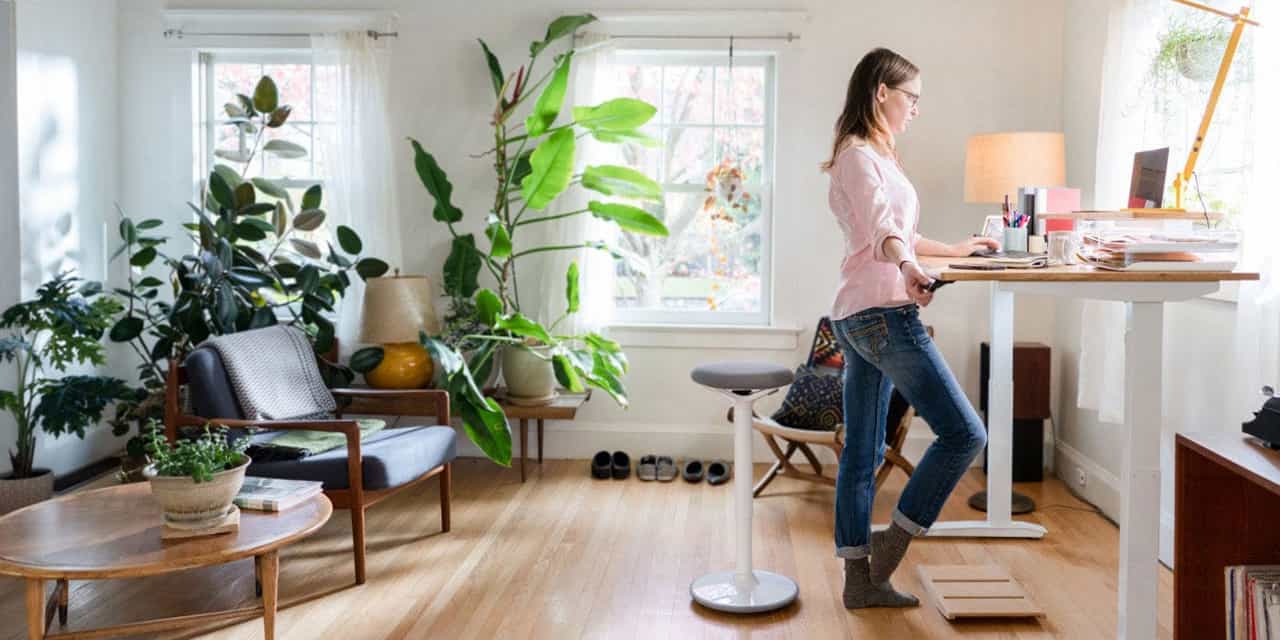
Natural light isn’t just good for your plants—it’s essential for your wellbeing too. A Cornell University study found that workers in offices with natural light reported an 84% drop in symptoms like headaches, eyestrain, and blurred vision.
Position your desk near a window if possible. If that’s not an option, consider:
- Using mirrors to bounce existing natural light around the room
- Replacing heavy curtains with lighter window treatments
- Trimming outdoor bushes or trees that block light
- Installing a solar tube or skylight if your budget allows
I had a small office in the center of my home with no windows. I installed a solar tube for about $500, and the difference was night and day—literally! The room went from feeling like a cave to feeling open and airy.
If your natural light situation can’t be improved, look into full-spectrum light bulbs that mimic natural sunlight. They’re not a perfect substitute, but they’re miles better than standard indoor lighting.
Add Lots of Indoor Plants
Plants do double duty in a biophilic office: they look good AND they clean your air. NASA research shows that common houseplants can remove toxins like formaldehyde and benzene from indoor air.
Don’t worry if you weren’t born with a green thumb. Start with hard-to-kill plants like:
- Snake plants (practically indestructible)
- ZZ plants (can survive low light and irregular watering)
- Pothos (grows in almost any condition)
- Spider plants (they’ll even tell you when they need water by drooping slightly)
Last year, I committed to writing a book about home design. The deadline was tight, and I knew I’d be spending long hours at my desk. So I created what my husband calls my “plant wall”—a bookshelf filled with different plants behind my desk. During those marathon writing sessions, taking mini-breaks to mist or check on my plants kept me sane.
If you’re truly plant-challenged, high-quality silk plants can still provide visual biophilic benefits, though you’ll miss out on the air-cleaning properties.
Use Natural Materials
Synthetic materials like plastic and vinyl are convenient but don’t give our brains that nature connection we crave. Whenever possible, choose natural materials for your office elements:
- Wood desk (or at least a wood desktop)
- Cork, bamboo, or wool bulletin boards
- Cotton, linen, or hemp curtains and textiles
- Stone or ceramic accessories
My favorite desk is one I made from an old door laid across two filing cabinets. The door had been in a 1920s home and had a beautiful patina that no new desk could match. Every time my fingers touch that worn wood surface, I feel grounded.
You don’t have to replace everything at once. Maybe start with a wood picture frame, a stone paperweight, or a wool throw for your chair. Small touches add up.
Incorporate Nature-Inspired Color Palettes
Colors from nature tend to feel calming and focused. Consider these palettes:
- Forest greens and browns
- Beach tones (sand, sea, and sky blues)
- Desert hues (terracotta, sage, and sandstone)
- Mountain colors (slate blue, pine green, granite gray)
I painted my office a color called “Thundercloud”—a soft blue-gray that reminds me of the sky just before a summer storm. When I’m stuck writing a difficult paper (speaking of which, my niece decided to choose paper writer at SpeedyPaper last month for her college essay when she got overwhelmed, and she was pretty happy with the results), looking up at my walls often gives me the mental reset I need.
If you rent and can’t paint, use fabric panels, artwork, or even washi tape to bring natural colors into your space.
Add Large Window Walls
This option requires more commitment but makes a massive difference. If your office has a wall facing a beautiful outdoor view, consider replacing part of it with windows or glass doors.
A friend renovated her garden shed into an office and installed salvaged French doors along one entire wall. Now she feels like she’s working in her garden even when she’s inside during bad weather.
If structural changes aren’t possible, large-scale nature photography can create “window” effects. I’ve seen gorgeous installations where nature photos were printed on canvas at window size and framed with actual window trim to create faux views.
Add Natural Sounds and Scents
Nature isn’t just visual—our other senses play a huge role in how we experience spaces. Consider:
- A small desktop fountain for gentle water sounds
- An open window if you live somewhere with pleasant nature sounds
- Nature sound recordings (I use a small speaker to play rainfall during focus sessions)
- Essential oil diffuser with forest scents like pine, cedar, or eucalyptus
I have a little routine where I open my office window for five minutes every morning, no matter the weather. That blast of fresh air—even if it’s cold—helps reset my space and mind.
For scents, be careful with artificial fragrances as they can cause headaches or reactions. Stick with natural essential oils or simply open the window for fresh air.
Create an Organic Layout
Most offices follow rigid, rectangular layouts. Nature doesn’t work that way! Consider:
- Arranging furniture at slight angles rather than pressed against walls
- Creating curved pathways through your space
- Using privacy screens to create organic divisions
- Varying heights of plants, furniture, and accessories
When I redid my home office, I pulled my desk about 18 inches away from the wall and angled it slightly. This small change made the whole room feel more natural and less like a box.
If you have a small space, even simple changes like a round rug instead of a rectangular one can soften the geometry and make the space feel more natural.
Conclusion
Creating a biophilic home office isn’t about following rules—it’s about making a space that helps you feel connected to nature while you work. Start with changes that excite you, whether that’s adding plants, maximizing light, or bringing in natural materials.
Remember that biophilic design is personal. My plant-filled space might feel cluttered to you, while your minimalist approach might feel bare to me. The test isn’t how it looks in photos, but how you feel working there day after day.
I’d love to know what natural elements you’ve brought into your workspace! Have you noticed a difference in how you feel or work? The journey to creating a nature-connected home office is ongoing—I’m still tweaking mine after years of working from home.
Now go bring some nature into your workspace and watch what happens to your mood, energy, and productivity. Your brain will thank you!