
Your home’s outside look matters big time. It’s like the first impression people get when they drive by or visit.
The right paint or coating on your house can make it stand out for all the right reasons. But pick the wrong one? You might be stuck with peeling, cracking, or fading that makes your place look sad and tired before its time.
How To Choose The Right Exterior Coating For Your Home’s Curb Appeal
Picking the right stuff to cover your house isn’t just about grabbing any old paint from the store.
There’s actually a bunch of things to think about. You gotta match it to your house style, your weather, and how much work you wanna do keeping it nice.
Let’s break down the top 10 things you should really look at before you make that final choice.
Understand Your Home’s Architectural Style
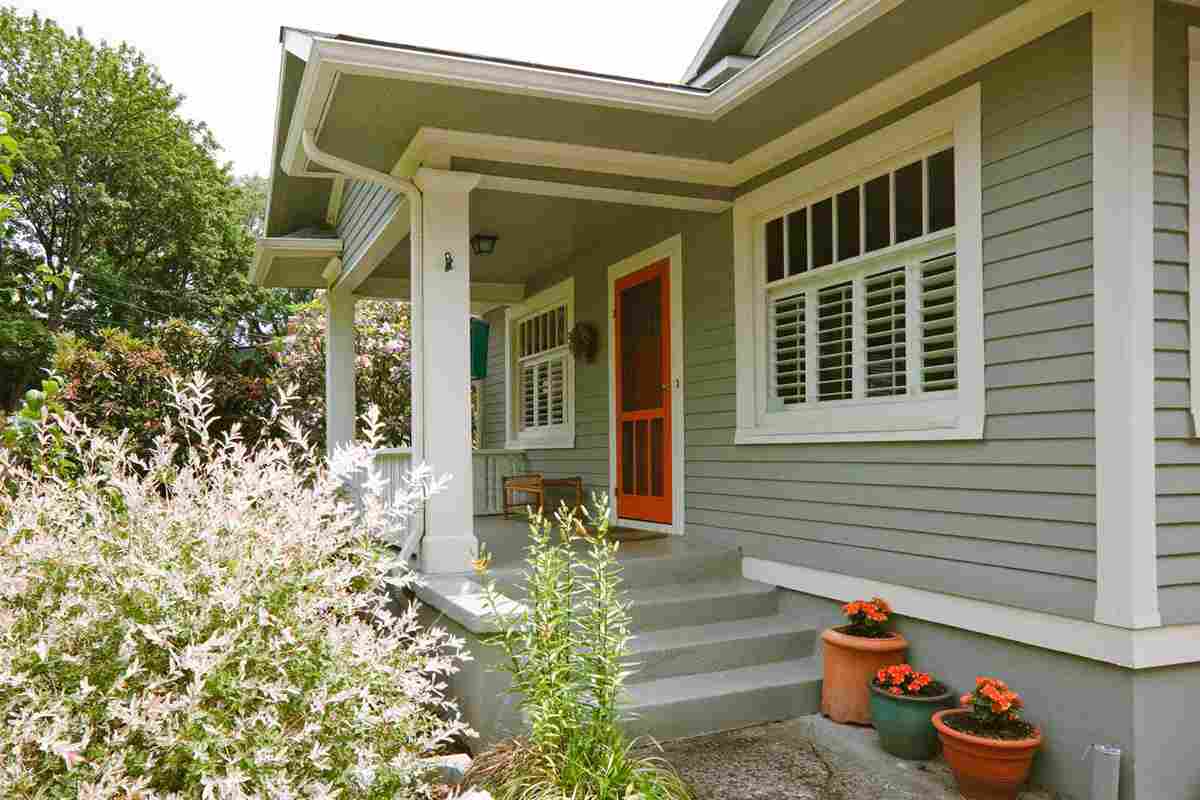
Every house has its own look, right? Like if you’ve got a craftsman home with all that woodwork, you want something that shows off those details.
Colonial houses look best with certain types of finishes, while modern homes can handle different stuff.
Look around at other houses like yours.
What looks good on them? What’s traditional for your style? You don’t have to copy exactly, but it gives you a starting point. A Victorian house with the wrong coating looks weird, like wearing flip flops with a tuxedo.
Consider Your Local Climate and Weather Conditions
Weather is a big deal when picking your house coating. What works in dry Arizona will get destroyed in rainy Seattle.
Hot sunny places? You need something that won’t crack or bubble when the sun beats down all day.
Rainy spots need coatings that fight against moisture getting trapped under the surface. And if you get snow and ice, you want something that can handle freezing and thawing without cracking.
I was checking out this house last week, and you could tell they used the wrong coating for their climate.
All cracked and peeling after just two years. Total waste of money.
Focus on Long-Term Durability
Some cheap coatings look good when you first put them on but start looking terrible after a year or two.
Then you gotta do the whole job again! Not worth it.
When you’re looking at different options, check how long they’re supposed to last. Some premium coatings cost more upfront but last 15-20 years instead of 5-7. Do the math and you’ll save money in the long run.
Look at the warranty too. If a company only gives you a 2-year warranty, that tells you something about how long they expect their product to actually last.
Choose Colors That Enhance Visual Appeal
Color is huge for curb appeal. The right color can make your house look bigger, more expensive, and just plain better.
Light colors make small houses look bigger. Dark colors make big houses look more grounded.
Think about your roof color, your landscaping, even the other houses on your street.
Testing colors is super important. What looks good on a tiny paint chip looks totally different spread across your whole house.
Buy small samples and paint a few spots on different sides of your house. Check how they look at different times of day.
Evaluate Texture and Finish Options
Texture isn’t just about looks. It can actually hide imperfections in your walls.
If your house’s exterior has some dings or uneven spots, a textured finish can hide that stuff way better than a smooth finish.
Finishes come in flat, satin, semi-gloss, and glossy. Each one gives a different look.
Glossy shows every little bump but is super easy to clean. Flat hides imperfections but gets dirty easier.
Homeowners who try options like Stucco Repair in Las Cruces NM discover that the right exterior coating can completely transform their old home’s appearance. The texture of stucco gives houses this cool southwestern vibe while hiding wall issues.
Look for UV and Fade Resistance
The sun is brutal on house coatings. UV rays break down the coating and fade colors like crazy, especially dark or bright colors.
Ever seen a house with one side way more faded than the others? That’s sun damage.
Quality coatings have special UV blockers and colorfast pigments.
They cost more but they keep their color way longer. Check the can for words like “UV protected” or “fade resistant.”
Also think about which sides of your house get the most sun. Those sides might need more attention or even a different product.
Prioritize Moisture and Mold Resistance
Water is the enemy of your house. It gets under coatings, makes them peel, and can even damage the structure if it gets in. And where there’s moisture, there’s often mold and mildew.
Good exterior coatings act like a shield.
They let the wall breathe but keep bulk water out. Some have special stuff added that fights mold growth too.
This is extra important if your house is in a shady spot, near trees, or in a humid place. I’ve seen houses in Florida that turn green on the north side from mold if they don’t have the right coating.
Balance Aesthetics with Maintenance Needs
Some coatings look amazing but need tons of upkeep.
Others are super low-maintenance but have fewer color options.
You gotta decide what matters more to you.
Be real with yourself about maintenance.
If you hate home projects, don’t pick a coating that needs touching up every couple years, no matter how pretty it is. But if you’re willing to do some work for that perfect look, go for it.
And remember that some areas of your house might need different treatments than others. High-traffic areas like around doors might need tougher, easier-to-clean coatings.
Factor in Environmental and Health Considerations
Lots of coatings have nasty chemicals that aren’t great for you, your family, your pets, or the planet.
The good news is there are way more eco-friendly options now than even five years ago.
Low-VOC and zero-VOC coatings don’t release those toxic fumes.
They’re safer for everybody and don’t stink up your whole neighborhood when applied.
These better options used to perform worse, but that’s not true anymore. Most work just as good as the chemical-heavy stuff now.
Consult Professionals and Review Samples
Talk to people who know this stuff inside and out. Painters, contractors, and even neighbors who’ve recently redone their exterior can give you real-world advice.
Ask specific questions like: “How’s it holding up after winter?” or “Would you use this product again?” You’ll learn way more than from any brochure.
And always, always get actual samples before you commit.
Put them on different parts of your house. Live with them for a week. See them in sun, shade, rain, morning, and evening. What looks perfect at noon might look terrible at sunset.
Conclusion
Picking the right exterior coating isn’t just about pretty colors.
It’s about finding something that works with your house style, can handle your weather condition, lasts a long time, and doesn’t drive you crazy with maintenance.
Take your time making this choice.
Your home’s curb appeal depends on it, and so does your wallet since doing it right the first time saves tons of money down the road.
When you nail it though? Man, there’s nothing like pulling into your driveway and thinking “yeah, that’s MY house” with a little pride every single day.